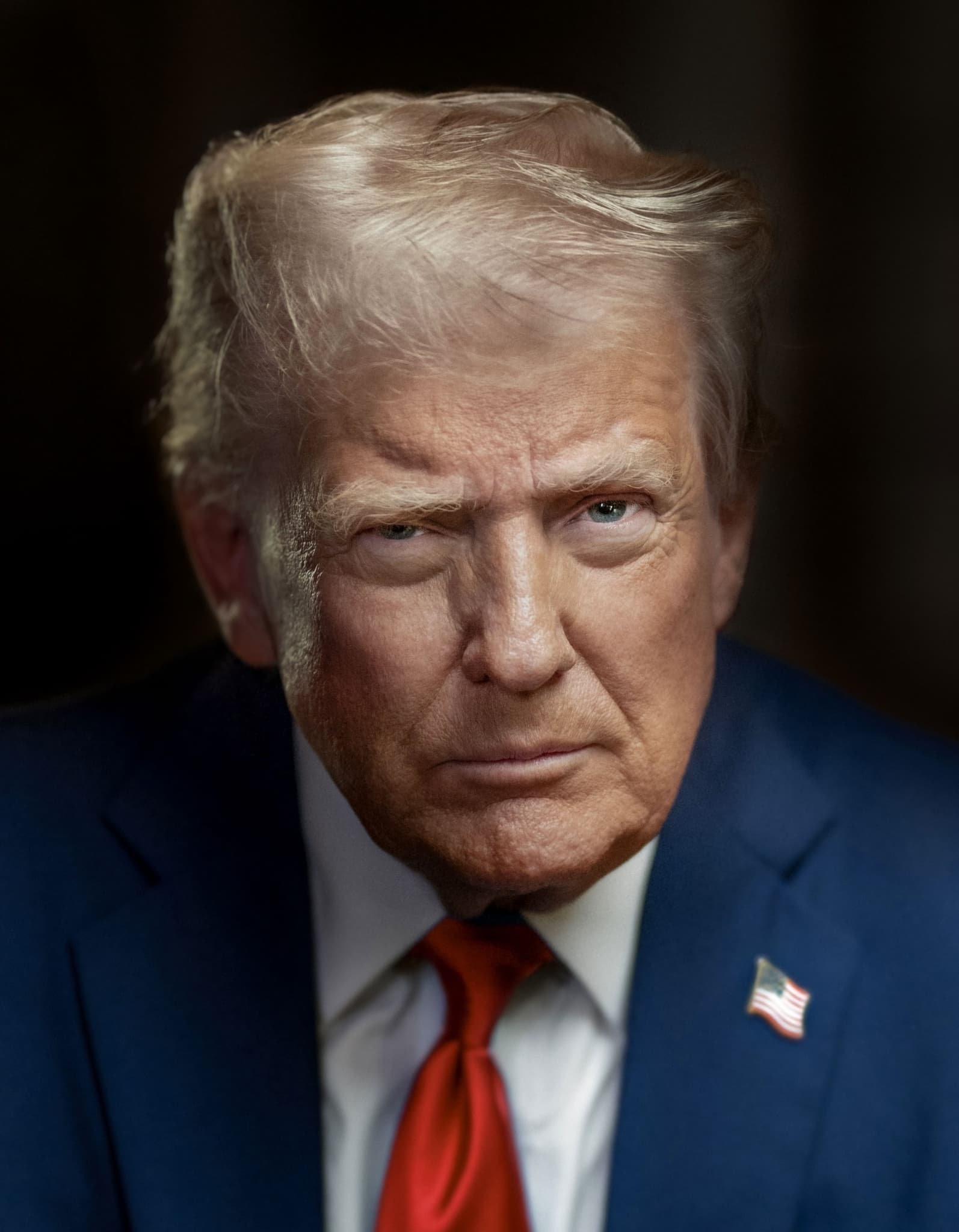
A critical new poll reveals a stark lack of trust among U.S. voters concerning the Trump administration's oversight of the rapidly expanding crypto sector. Sixty-two percent of registered voters indicate they do not trust the administration to manage digital asset regulation effectively, a figure that demands immediate attention from policymakers. Even more striking, seventy-three percent of voters strongly oppose senior government officials engaging in personal business dealings within the crypto industry, highlighting widespread concern over potential conflicts of interest. This public sentiment signals a significant challenge for the administration as it navigates the complex landscape of digital asset policy, demanding transparency and clear ethical boundaries.
The immediate market reaction to such sentiment is often nuanced, but the underlying current of distrust can dampen broader institutional adoption and retail investor confidence. While Bitcoin trades robustly at $78,729, marking a 0.4 percent gain over the last 24 hours, and Ethereum holds steady at $2,327 with a 0.9 percent increase, this political headwind cannot be ignored. The broader equity markets saw mixed performance today, with the S&P 500 up 0.3 percent to $7,230 and the Nasdaq climbing 0.9 percent to $25,114, yet crypto's unique regulatory exposure means political trust directly impacts its long-term trajectory. Investors holding positions right now must understand that perceived governmental integrity is a non-negotiable component for sustained growth and mainstream integration of digital assets.
Historically, periods of significant public or political skepticism have always presented hurdles for the burgeoning crypto industry, but have rarely derailed its fundamental progress. The journey to the approval of Bitcoin spot ETFs in January 2024 and Ethereum spot ETFs in May 2024 was fraught with regulatory battles and public debate, demonstrating the resilience of the asset class against skepticism. This current poll echoes past concerns over regulatory clarity and ethical conduct, reminiscent of the early days when the industry fought for legitimacy against accusations of illicit use. However, the market has consistently proven its ability to adapt and innovate, with each challenge ultimately leading to a more robust and compliant ecosystem.
Industry titans and major institutional players, including BlackRock and Fidelity Digital Assets, maintain a long-term conviction in the transformative power of blockchain technology, but they operate within a framework of legal and ethical compliance. Public distrust in governmental oversight directly complicates their efforts to onboard traditional finance clients into digital assets. While these institutions prioritize regulatory clarity and transparent frameworks, a perception of ethical ambiguity within the government could slow down the pace of mainstream adoption and capital inflows. Their strategic positioning emphasizes a future where digital assets are integrated into regulated financial systems, a vision that requires unwavering public and political confidence.
On-chain data, the unfiltered truth of the crypto market, offers a critical lens through which to assess the impact of such political developments. While immediate large-scale shifts in wallet flows or exchange reserves are not directly attributable to a single poll, sustained public distrust could influence long-term holder behavior. Data reveals that long-term holders continue to accumulate Bitcoin, indicating a strong conviction that transcends short-term political noise. However, if regulatory uncertainty intensifies due to this lack of trust, we could see a gradual increase in assets moving into self-custody solutions, as investors seek to de-risk from centralized exchanges perceived to be under increasing governmental scrutiny. This trend underscores a broader market maturation where users prioritize security and autonomy in the face of political volatility.
The regulatory implications stemming from such widespread public distrust are profound for the crypto sector. This poll could embolden calls for more stringent ethical guidelines and transparency requirements for government officials with financial interests in digital assets. SEC Chair Paul Atkins, already navigating a complex regulatory landscape, will likely face increased pressure to clarify the agency's stance on conflicts of interest and to ensure robust oversight. This public sentiment may accelerate legislative efforts to establish clear frameworks for stablecoins, DeFi protocols, and tokenized securities, aiming to restore public confidence through enhanced consumer protection and market integrity. The administration must address these concerns head-on, or risk fostering an environment of prolonged regulatory uncertainty that stifles innovation within the United States.
Looking forward, the revelations from this poll present a critical juncture for the future of digital assets within the U.S. It underscores a disconnect between the administration's perceived approach to crypto and the public's demand for integrity and transparent governance. This could either force the administration to articulate a more definitive and ethically sound strategy for crypto regulation, or it risks alienating a growing segment of the electorate that sees digital assets as a vital part of the future economy. For the United States to maintain its leadership in blockchain innovation, addressing these voter concerns with concrete policy and ethical standards is paramount, shaping the regulatory environment for years to come.
The bottom line for investors is clear: the crypto market operates in a volatile confluence of technological innovation, economic forces, and political will. While Bitcoin and Ethereum demonstrate consistent strength, signaling underlying demand, the public's distrust in governmental crypto oversight presents a significant, albeit navigable, headwind. Investors must remain acutely aware of the evolving regulatory landscape, understanding that public opinion can directly influence policy decisions. The long-term bullish thesis for digital assets remains intact, driven by adoption and technological advancement, but the path forward demands vigilance and a critical eye on how political trust—or the lack thereof—shapes the operational environment for these transformative assets.


