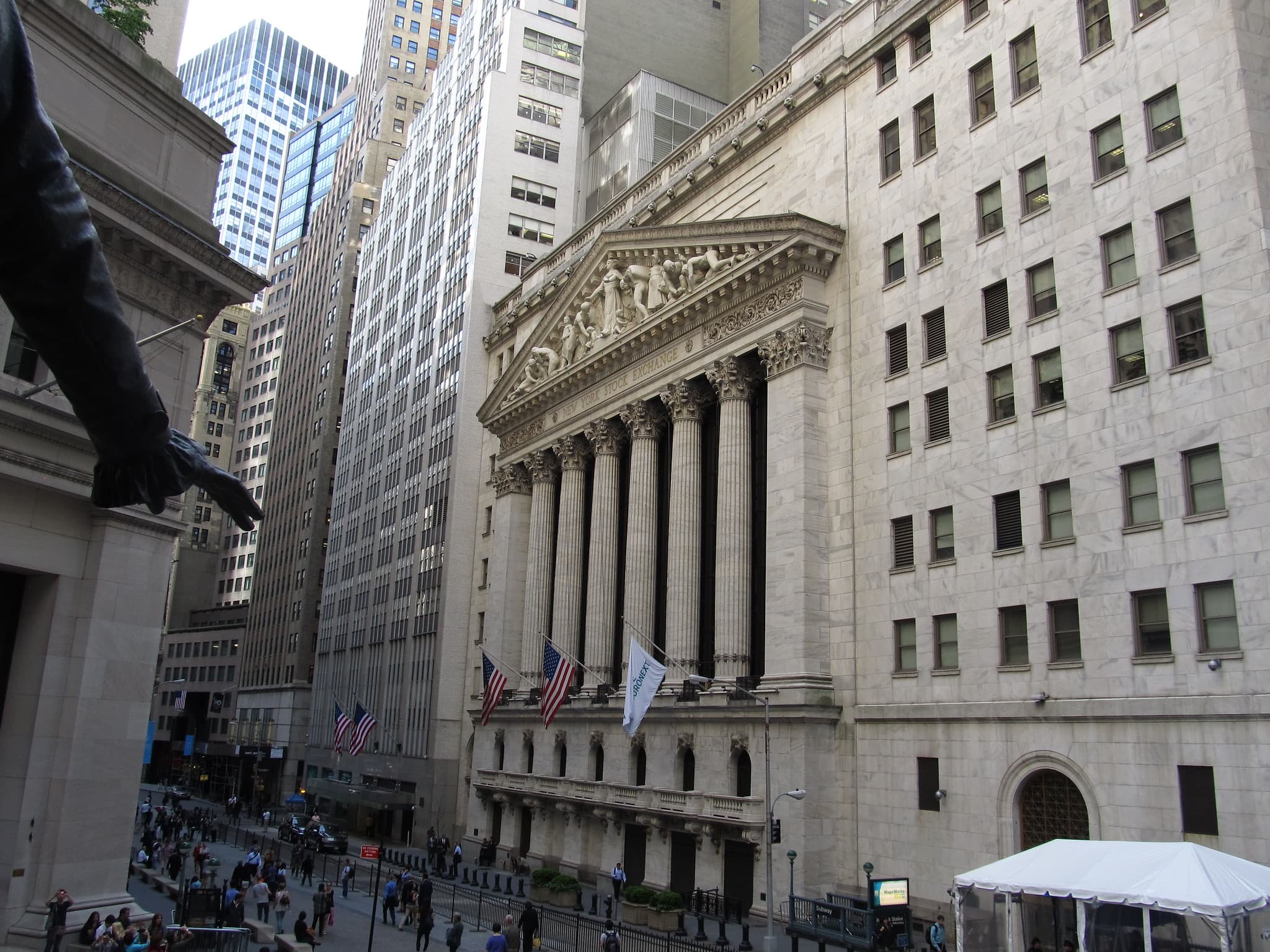
The U.S. equity market continues its relentless climb, with the S&P 500 index breaching the 7,200 mark today, closing at 7,230, and the Nasdaq Composite surging past 25,000 to settle at 25,114. This latest leg of the rally follows a stronger-than-expected April jobs report, which saw the economy add 300,000 non-farm payrolls, pushing the unemployment rate down to 3.5 percent. The data reinforces a "no landing" narrative for the U.S. economy, where growth remains robust despite elevated interest rates, fueling a speculative frenzy across risk assets that veteran bond traders view with increasing skepticism.
Bond markets reflected this complex picture, with the benchmark 10-year U.S. Treasury yield pushing higher by five basis points to 4.85 percent, as the prospect of sustained economic strength reignites inflation concerns and pushes out rate cut expectations. The U.S. Dollar Index (DXY) firmed to 105.20, strengthening against major peers as capital flows gravitated towards the perceived safety and higher yields of U.S. assets. Equity futures had signaled the morning's gains, with the Russell 2000 also showing strength, advancing 0.5 percent today to 2,813, indicating broad-based risk appetite extending beyond large-cap technology names. Gold, typically a safe-haven asset, saw modest selling pressure, drifting lower as real yields edged upwards.
This current market dynamic draws parallels to previous periods of speculative excess, notably the dot-com bubble of the late 1990s and the liquidity-fueled rallies of 2020-2021. The sheer velocity and breadth of the equity gains, particularly in the technology sector, suggest a market driven by narrative and momentum rather than fundamental revaluation. While corporate earnings have been robust for some bellwether names like Apple, which rose 3.2 percent to $280.14 today, and Microsoft, up 1.6 percent to $414.44, the broader market's ascent appears detached from the cautious signals emanating from the fixed-income complex, where duration risk remains a significant concern for institutional portfolios.
Federal Reserve Chair Jerome Powell and the Federal Open Market Committee continue to reiterate their data-dependent stance, emphasizing the need for sustained evidence of disinflation before considering rate adjustments. With the U.S. economy demonstrating such resilience, the path to the Fed's two percent inflation target appears increasingly arduous, suggesting the "higher-for-longer" interest rate paradigm will persist well into 2026. While the European Central Bank (ECB) and Bank of Japan (BOJ) navigate their own unique inflationary and growth challenges, the dominant force remains the U.S. Fed's policy trajectory, which continues to anchor global liquidity conditions and risk appetite, albeit with a hawkish tilt that the equity market seems intent on ignoring.
From the bond market's vantage point, the yield curve remains inverted, or at best, stubbornly flat, with the two-year U.S. Treasury yield holding above the 10-year, signaling underlying economic fragility despite the equity market's exuberance. Credit spreads, particularly in the high-yield segment, have compressed to historically tight levels, reflecting an almost irrational complacency regarding corporate default risk. This spread compression means bond investors are receiving minimal compensation for taking on credit risk, a classic late-cycle indicator. Institutional managers are actively shortening duration, rotating into floating-rate notes, and utilizing derivatives to hedge against further increases in benchmark yields, acutely aware of the duration risk inherent in a portfolio of long-dated fixed-income assets when the Fed's stance remains ambiguous on future rate cuts.
The implications across asset classes are profound. Equities, particularly growth-oriented segments like technology, are benefiting disproportionately, with giants like Tesla up 2.4 percent to $390.82 and Amazon gaining 1.2 percent to $268.26. However, value stocks and defensive sectors are lagging, indicating a narrow leadership that could unravel quickly. In the cryptocurrency space, Bitcoin and Ethereum posted modest gains today, with BTC at $78,412 and ETH at $2,306, but the Crypto Fear & Greed Index registering 39, indicating "Fear," suggests that retail sentiment in digital assets has not fully caught up to the equity melt-up, perhaps due to lingering regulatory uncertainty or the memory of previous market corrections.
Looking ahead, market participants will keenly await the next Consumer Price Index (CPI) and Producer Price Index (PPI) releases, along with the minutes from the latest FOMC meeting, for further clues on the inflation trajectory and the Fed's reaction function. The upcoming Q2 earnings season will also be critical, testing whether corporate profitability can justify current elevated valuations. Scenario analysis suggests two primary paths: either the robust economic data eventually forces the Fed to reconsider a more hawkish stance, potentially triggering a sharp equity market correction, or inflation subsides organically, allowing for a soft landing that gradually validates current market pricing, a less probable outcome given recent data.
The bottom line from Gokhshtein Media's fixed-income desk is clear: the current stock market melt is built on a foundation of strong economic data and a narrative of technological innovation, yet it stands in stark contrast to the cautionary signals from the bond market. Institutional money, especially those managing long-duration liabilities, maintains a defensive posture, preferring the relative safety of shorter-duration instruments and highly selective credit exposures. This rally appears increasingly fragile, driven by momentum and a fear of missing out, rather than a broad-based, fundamentally sound re-rating of assets. Investors should exercise extreme caution, as the disconnect between risk-on equity sentiment and the bond market's sober assessment of inflation and interest rate risk has rarely ended without significant volatility.


