Major institutional investors, including Aegon and Barclays, signal a looming period of market pain, advising clients to prepare for a protracted environment of higher interest rates. This outlook stems from a confluence of sticky inflation, robust labor markets, and geopolitical uncertainties that collectively challenge the long-held expectations of a swift pivot by global central banks. The consensus from these fixed-income stalwarts suggests that the disinflationary trend has stalled, forcing a re-evaluation of monetary policy trajectories and demanding a more defensive posture from asset managers navigating increasingly complex macroeconomic headwinds.
Bond markets reacted with a subtle but firm bid across the curve, reflecting the cautious sentiment. The yield on the benchmark ten-year U.S. Treasury note edged up five basis points on the session, with similar movements observed in European sovereign debt. The U.S. Dollar Index strengthened marginally as the prospect of sustained rate differentials favored the greenback, while equity futures showed mixed signals; the Nasdaq climbed 0.9 percent to $25,114, yet the Dow Jones Industrial Average dipped 0.3 percent to $49,499. Gold prices remained resilient, acting as a traditional hedge against inflation and uncertainty, although no specific price was immediately available for reporting.
This current market skepticism echoes periods of the early 2000s, where initial assumptions of quick rate normalization after periods of economic stress proved premature. Unlike the immediate post-global financial crisis era, where quantitative easing dominated, today's landscape is characterized by supply-side shocks and fiscal expansion, creating a more entrenched inflationary impulse. The prevailing wisdom among fixed-income veterans is that the market's current pricing of a few rate cuts in the latter half of the year may be overly optimistic, setting the stage for potential disappointment and a sharp repricing of duration risk.
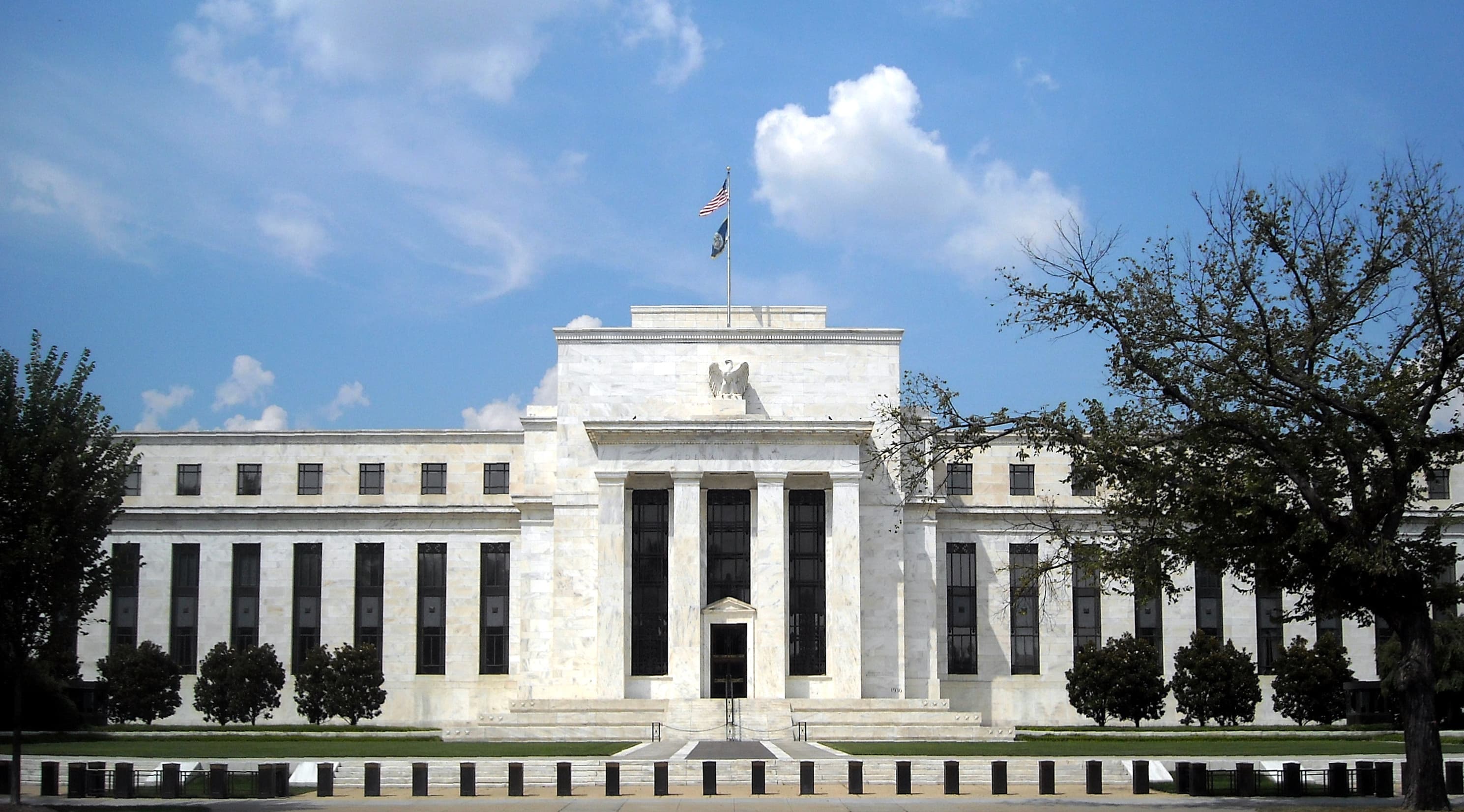
The Federal Reserve, under Chair Jerome Powell, maintains a data-dependent stance, yet recent communications suggest a bias towards maintaining restrictive policy for longer than previously anticipated. While the Fed has successfully brought headline inflation down from its peak, core inflation remains stubbornly elevated, fueled by service sector strength and wage growth. The European Central Bank and the Bank of Japan face similar dilemmas, albeit with differing inflation profiles, but the global synchronicity of persistent price pressures limits their individual flexibility, solidifying the narrative of a prolonged hawkish cycle rather than an imminent dovish shift.
From a fixed-income perspective, this outlook translates into continued pressure on duration positioning and a potential for further yield curve flattening or even inversion at the short end. Spread compression, particularly in investment-grade corporate bonds, may prove fleeting as credit risk re-emerges in a higher-for-longer rate environment. Investors are scrutinizing balance sheets and debt servicing capabilities with renewed vigor, preparing for a scenario where liquidity could become more constrained and refinancing costs significantly higher. The hunt for carry in shorter-dated, high-quality assets is likely to intensify, while longer-duration strategies face continued headwinds, demanding active risk management.
The implications for cross-asset classes are substantial. Equities, particularly growth stocks whose valuations are highly sensitive to discount rates, face a challenging backdrop. The Nasdaq’s 0.9 percent gain and the S&P 500’s 0.3 percent rise today may reflect selective strength, but broader market sentiment remains vulnerable. Tesla shares rose 2.4 percent to $390.82, while Apple gained 3.2 percent to $280.14, demonstrating resilience in specific tech names. However, a persistent rate plateau increases the cost of capital, potentially dampening corporate earnings and slowing investment. In the digital asset space, Bitcoin, trading at $78,451, and Ethereum, at $2,311, both showing modest gains of 0.1 percent and 0.3 percent respectively, remain sensitive to global liquidity conditions. A tighter monetary policy environment typically constrains the flow of capital into riskier assets, including cryptocurrencies, while commodities could see mixed signals depending on the interplay of industrial demand versus inflation hedging.
Looking ahead, market participants will closely monitor upcoming inflation reports, particularly the core Personal Consumption Expenditures price index, and the employment situation. The Federal Open Market Committee's next meeting in June will be critical for deciphering the Fed's conviction regarding its rate path. Any deviation from the hawkish narrative could trigger significant market volatility and force a rapid repricing. Conversely, stronger-than-expected economic data or a re-acceleration of inflation could cement the higher-for-longer view, pushing yields further up and intensifying the market pain that institutions like Aegon and Barclays are anticipating.
The bottom line for Gokhshtein Media readers is clear: the era of cheap money is firmly in the rearview mirror, and the path to lower rates is far from guaranteed. Investors must recalibrate their portfolios to withstand an extended period of elevated borrowing costs and increased market volatility. Prudence dictates a focus on capital preservation, robust credit quality, and duration management. The market is signaling a shift from anticipating cuts to acknowledging a prolonged plateau, demanding a disciplined approach to navigating the fixed-income landscape and its ripple effects across all asset classes.


