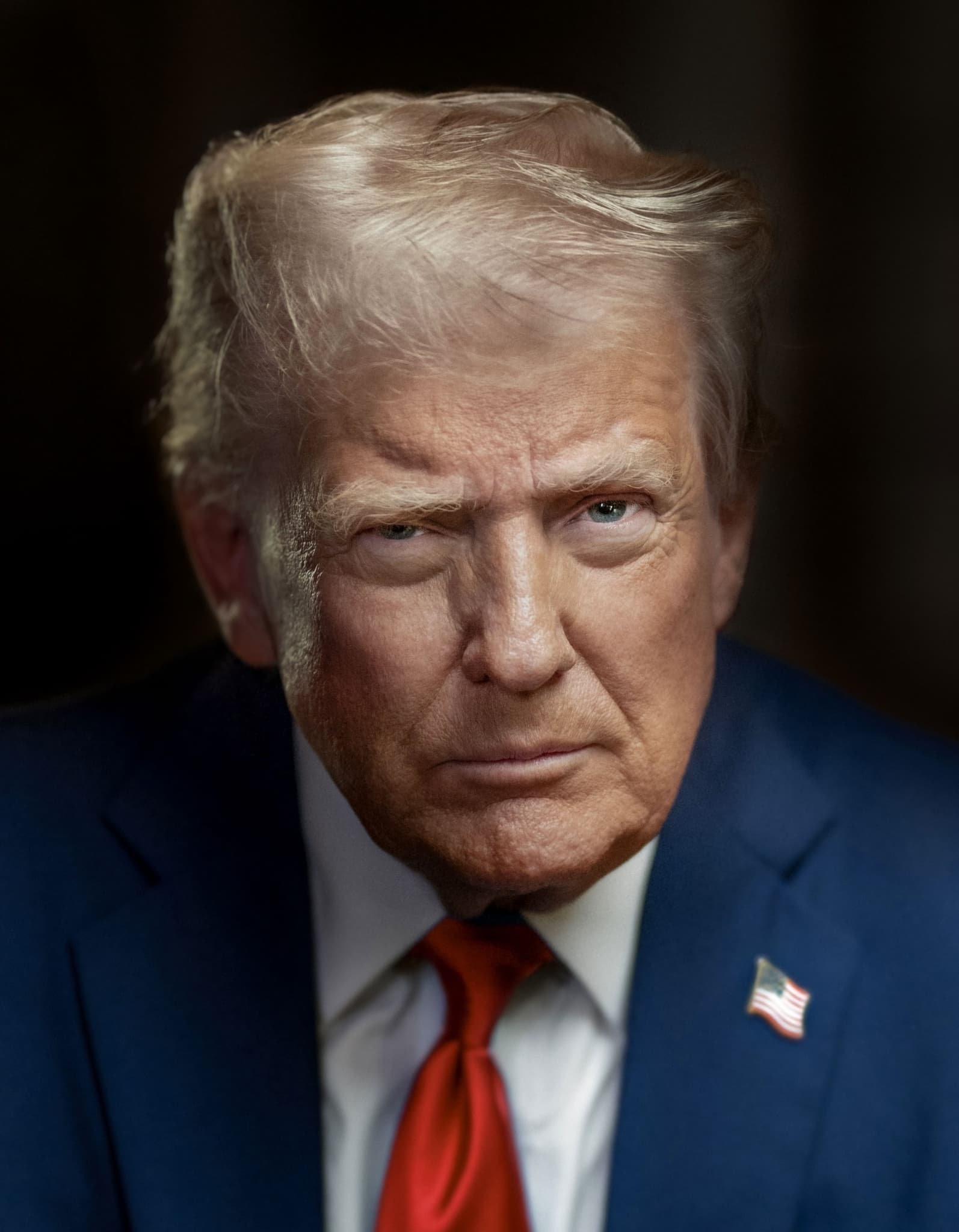
President Donald Trump's receptive stance on substantial federal disaster assistance for Los Angeles' wildfire recovery efforts, following a direct discussion with Mayor Karen Bass, immediately shifts the financial calculus for California. This federal commitment, likely channeled through the Federal Emergency Management Agency, known as FEMA, promises to alleviate immense budgetary pressures on the state and local governments already grappling with the escalating costs of natural disasters. The move underscores the transactional nature of federal-state relations under the current administration, where direct engagement can unlock critical funds, potentially bypassing bureaucratic delays that often plague disaster relief efforts and impacting municipal bond markets by de-risking state and local debt related to recovery. The certainty of federal backing, even before formal declarations, can stabilize investor confidence in California's fiscal health, preventing potential downgrades or increased borrowing costs.
While the immediate market reaction was not a seismic shift in global crypto or equity indices, the implied stability in a major U.S. economy like California provides a subtle yet significant undercurrent for broader sentiment. On April 23, the Nasdaq climbed 1.6 percent to $24,658, the Dow Jones gained 0.7 percent to $49,490, and the S&P 500 rose 1.0 percent to $7,138, reflecting a generally optimistic market day. Major tech stocks like Apple, trading at $273.17, and Microsoft, at $432.92, also saw gains. For the crypto market, Bitcoin held steady at $77,935, up 0.6 percent, while Ethereum traded at $2,348, down 0.6 percent, with the broader Crypto Fear & Greed Index at 46, indicating 'Fear.' The federal aid, by mitigating localized economic shocks, contributes to an environment of sustained economic activity, indirectly benefiting sectors reliant on consumer spending and stable regional economies, even if the direct impact on volatile assets is less pronounced.
This development is not merely a localized response to a natural disaster; it represents a critical juncture in the ongoing legislative and budgetary battles over federal disaster funding. The Stafford Act, which governs federal disaster relief, requires a presidential declaration to unlock significant FEMA resources, and the speed of this process often dictates the pace of recovery and the financial burden on affected states. President Trump's swift engagement with Mayor Bass signals a willingness to utilize executive authority to expedite aid, potentially setting a precedent for future disaster responses that prioritize direct, high-level negotiations over protracted administrative reviews. This approach often benefits states with strong political leverage or those willing to engage directly with the White House, highlighting the centralizing power dynamic of the executive branch in resource allocation debates.
The key stakeholders in this expedited relief process are clear: Mayor Bass and the City of Los Angeles gain immediate access to critical funding, avoiding a drawn-out battle for federal attention. President Trump demonstrates executive responsiveness to a major U.S. city, regardless of political party, while also leveraging the opportunity to project strength and decisiveness. The construction and engineering industries, along with disaster recovery services, stand to be the primary beneficiaries, poised for lucrative federal contracts to rebuild infrastructure and homes. Lobbying groups such as the Associated General Contractors of America and various state and local government associations have historically advocated for robust and timely federal disaster funding, and their efforts likely underpinned the urgency of this discussion, ensuring their members are positioned for the ensuing economic activity.
The industry impact of this accelerated federal aid will be substantial and far-reaching, particularly for companies specializing in infrastructure development, environmental remediation, and emergency services. Firms like Fluor Corporation and AECOM, often engaged in large-scale government contracts, will likely see increased opportunities. Furthermore, the certainty of federal reimbursement can stabilize the balance sheets of property and casualty insurers operating in California, reducing their exposure to catastrophic claims and potentially preventing premium hikes that would otherwise burden residents and businesses. The California municipal bond market, which finances a vast array of public projects, will also experience a positive ripple, as the state's ability to meet its obligations is bolstered, thereby maintaining lower borrowing costs for future public works projects, including those unrelated to disaster recovery.
From a legal and regulatory standpoint, the expedited aid will likely involve a streamlined application of existing federal frameworks under the Stafford Act, but with a clear directive from the top. This approach, while efficient, could face scrutiny from congressional appropriators who traditionally oversee the allocation of such funds, potentially leading to debates over the executive branch's discretion in disaster relief. The precedent set here could embolden other states facing similar calamities to seek direct presidential intervention, potentially overloading FEMA's resources in the absence of a clear, standardized process. Compliance costs for state and local agencies will still be significant, requiring meticulous documentation and adherence to federal contracting rules to ensure eligibility for reimbursement, but the guarantee of funds makes these costs manageable.
Looking forward, the focus will shift to the specific appropriations language that will codify this relief and the speed at which funds are disbursed to California. Congress will need to either amend existing appropriations or pass a supplemental disaster aid package, and the lobbying efforts from California's congressional delegation will be intense to ensure the aid is comprehensive and timely. This situation also reignites the broader debate on climate change resilience and the long-term funding mechanisms required to address increasingly frequent and severe natural disasters across the United States. The White House's engagement with Los Angeles could serve as a template for future federal responses, emphasizing direct negotiation and rapid deployment of resources, rather than a more traditional, committee-driven legislative process.
Ultimately, Gokhshtein Media views this development as a clear demonstration of where power truly resides in Washington when it comes to critical financial lifelines. President Trump's direct intervention with Mayor Bass cuts through layers of bureaucracy, immediately injecting stability and capital into a region facing immense financial strain. This is not merely an act of goodwill; it is a calculated political and economic maneuver that benefits a key state, stimulates a specific industry sector, and showcases the administration's capacity for decisive action. The bottom line is that while taxpayers across the nation will ultimately foot the bill, the certainty of federal funds for California's recovery is a significant win for the state's economy and a clear signal to markets that the federal government remains the ultimate backstop against catastrophic regional economic disruptions.


