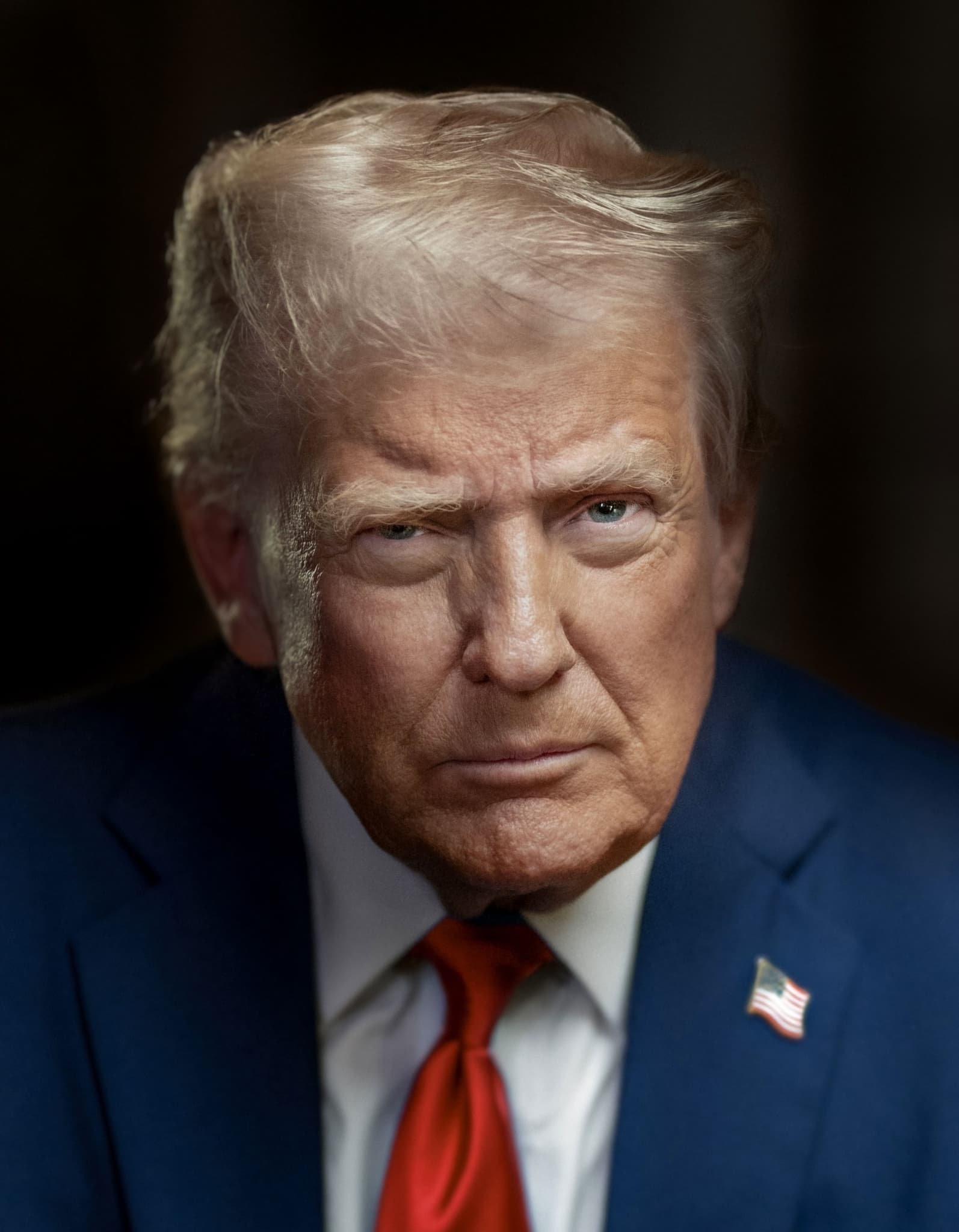
President Donald Trump initiated a sweeping expansion of U.S. energy production today, invoking the Defense Production Act to accelerate domestic supply chains and bolster national energy independence. This decisive move, deploying Cold War-era authorities typically reserved for wartime mobilization or critical emergency response, immediately signaled a significant shift in the administration's economic priorities, favoring rapid resource extraction and infrastructure development over environmental considerations. The DPA invocation grants the President broad powers to compel industries, allocate resources, and prioritize contracts, fundamentally altering the operational landscape for energy companies and their suppliers. This action is poised to redirect substantial capital flows into traditional energy sectors, potentially at the expense of renewable initiatives, as the White House pushes for an aggressive buildout of fossil fuel capacity.
Markets responded with a clear bifurcation, reflecting the immediate winners and potential losers of this policy pivot. Energy sector stocks saw an uptick, with investors anticipating increased demand and streamlined regulatory pathways for oil, gas, and coal projects. The broader equities market, however, remained largely flat, with the Dow Jones Industrial Average closing at $49,443, the Nasdaq at $24,404, and the S&P 500 at $7,109, indicating investor caution regarding the long-term economic and environmental ramifications. The Russell 2000, often a bellwether for domestic economic sentiment, posted a modest gain of 0.6 percent, closing at $2,793, perhaps reflecting optimism for increased industrial activity. In the crypto markets, Bitcoin traded at $75,815 and Ethereum at $2,315, both showing slight gains, as some analysts considered the move's potential impact on inflation through energy cost stabilization, which could influence future Federal Reserve policy decisions under Chair Jerome Powell.
The invocation of the DPA places the nation's energy policy firmly within the context of national security and economic resilience, a long-standing tenet of the Trump administration. Historically, the DPA has been utilized during periods of acute national need, from supporting the Korean War effort to accelerating vaccine production during the COVID-19 pandemic. By framing energy supply as a critical national defense imperative, President Trump is leveraging a powerful, rarely used tool to bypass potential legislative roadblocks and regulatory delays that have historically encumbered large-scale energy projects. This strategy aligns with the administration’s broader agenda of de-regulatory action and a focus on domestic industrial strength, aiming to reduce reliance on foreign energy sources and stabilize consumer prices for fuel and power across the United States.
The policy action represents a significant victory for powerful lobbying groups representing the traditional energy sector and a setback for environmental advocacy organizations. The American Petroleum Institute, ExxonMobil, and Chevron, among others, have consistently advocated for policies that facilitate increased domestic production and reduced regulatory burdens. Their influence on Capitol Hill and within the executive branch has evidently paid dividends, securing a direct presidential intervention designed to benefit their operations. Conversely, environmental groups such as the Sierra Club and the Natural Resources Defense Council are expected to vehemently oppose the DPA's application to energy, citing its potential to exacerbate climate change and undermine renewable energy initiatives. Key Democratic lawmakers are also likely to challenge the move, arguing it disregards established environmental protections and prioritizes short-term economic gains over long-term planetary health.
The immediate industry impact will be most profoundly felt by U.S. oil and gas exploration, production, and refining companies, which are now poised to receive prioritized access to materials, equipment, and government contracts. Companies involved in pipeline construction and energy infrastructure development also stand to benefit from expedited permitting processes and resource allocation. For example, major players like Kinder Morgan or Enterprise Products Partners could see their projects fast-tracked. Conversely, the renewable energy sector, while not directly targeted, may face increased competition for resources and political capital, potentially slowing the pace of investment in solar, wind, and battery storage projects. Even the burgeoning crypto mining industry, which is highly energy-intensive, could see a long-term benefit from a more stable and potentially lower-cost domestic energy supply, influencing the operational economics for large-scale mining farms across the United States.
From a legal standpoint, the DPA's broad statutory language provides the President with considerable latitude, making direct legal challenges to the invocation itself difficult. However, environmental groups and state attorneys general are likely to pursue litigation challenging specific directives or projects initiated under the DPA, arguing violations of other federal statutes like the National Environmental Policy Act or the Clean Air Act. The administration will need to carefully navigate these potential legal minefields, ensuring that its DPA orders are narrowly tailored and demonstrably linked to national defense needs. SEC Chair Paul Atkins’ agency will also monitor market disclosures, ensuring companies accurately report the financial implications and compliance costs associated with DPA directives, as some firms may be compelled to reorient their business operations or supply chains, incurring unforeseen expenditures.
Looking ahead, this DPA invocation is unlikely to be a one-off measure. The White House is expected to follow up with specific executive orders and directives outlining the scope and targets of this energy expansion, potentially naming specific projects or types of infrastructure to be prioritized. Congress will undoubtedly react, with some lawmakers pushing for legislative measures to either support or curtail the President's DPA authority, setting the stage for intense partisan battles. The move also carries significant international implications, potentially altering global oil prices and U.S. diplomatic leverage with major energy-producing nations like those in OPEC. This aggressive domestic energy strategy is a clear signal of the administration's intent to shape the economic narrative heading into the next election cycle.
This DPA deployment signals a robust, unequivocal commitment from the Trump administration to energy security and economic growth, positioning the United States as a dominant global energy producer. While the environmental costs remain a significant concern for many, the immediate beneficiaries are clear: the traditional energy sector and industries reliant on stable, affordable power. Gokhshtein Media assesses this as a calculated political and economic maneuver designed to insulate the U.S. economy from global energy shocks and stimulate domestic industrial activity. The policy prioritizes immediate economic output and national self-reliance, with the long-term environmental and fiscal implications set to become central battlegrounds in the coming months and years, fundamentally reshaping the financial landscape for stakeholders across the entire energy spectrum.


