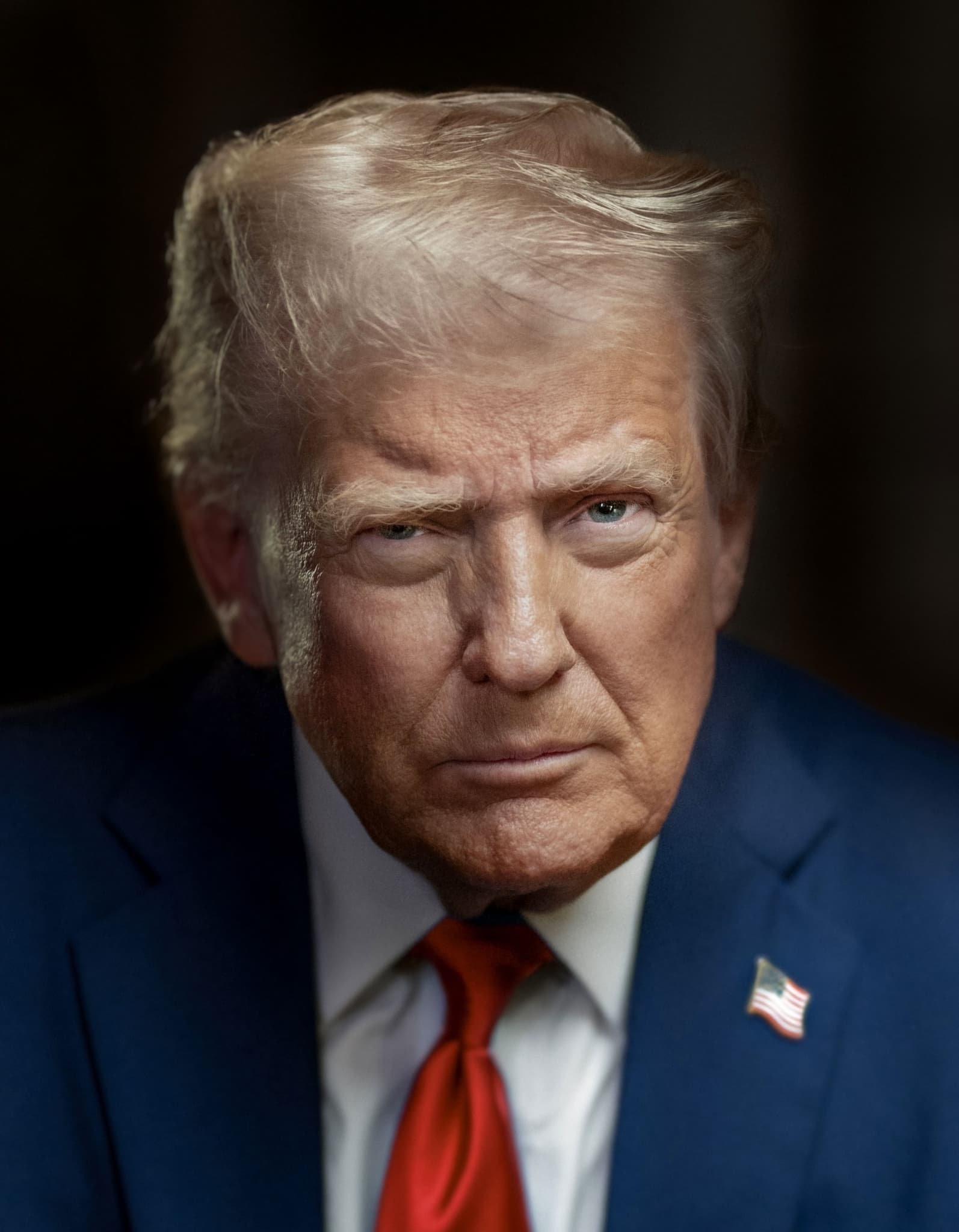
China has significantly escalated pressure on U.S. foreign businesses with vague threats, a move injecting a new layer of geopolitical risk into U.S. equities. This development unfolds a month before President Trump's scheduled trip to Beijing, setting a tense backdrop for critical bilateral discussions. While broader market indexes like the S&P 500 trade higher today at $6,967 and the Nasdaq Composite at $23,639, the underlying concern for companies with substantial exposure to the Chinese market is palpable. Investors are scrutinizing the potential for retaliatory measures or disruptions to supply chains and consumer demand within China, especially for names like Apple, which saw its stock price dip slightly to $258.83 today.
The immediate market reaction, despite the S&P 500's 1.2 percent gain and Nasdaq's 2.0 percent rally today, reveals cautious positioning beneath the surface. Sector performance highlights this vigilance, with technology and consumer discretionary sectors, heavily reliant on global supply chains and Chinese consumer spending, under close observation. While giants like Microsoft, trading at $393.11, and Amazon, at $249.02, show strength today, the underlying concern for future earnings stability in a strained U.S.-China relationship remains a significant factor. Traders are watching for any abnormal volume spikes or breadth deterioration in companies with significant revenue streams from the Asian superpower, signaling a potential rotation out of these names as geopolitical tensions mount.
The current rhetoric from Beijing evokes stark memories of the U.S.-China trade disputes that defined previous administrations. During those contentious periods, tariffs and non-tariff barriers profoundly impacted multinational corporations, leading to significant earnings revisions and costly supply chain reconfigurations. Companies like Tesla, currently trading at $364.20, have invested heavily in China, building Gigafactories and establishing strong local market presence, making them highly sensitive to any policy shifts or consumer backlash. Historically, periods of heightened geopolitical risk have often led to increased market volatility and a flight to safety, with investors re-evaluating long-term growth prospects in affected regions. The market remembers how even vague threats quickly escalated into concrete policy actions, forcing businesses to adapt rapidly or face substantial financial penalties.
Wall Street analysts are already factoring increased geopolitical risk into their models, with several research notes highlighting the potential for earnings headwinds for companies with substantial China exposure. Fund managers, particularly those overseeing large-cap growth portfolios, are re-evaluating their allocations, seeking diversification away from purely China-dependent revenue streams. Many institutional investors have adopted a "China Plus One" strategy, aiming to reduce over-reliance on a single manufacturing or consumer market by diversifying production to other Asian nations or back to the United States. This strategic shift, driven by past experiences and current uncertainties, positions funds to be more resilient against sudden geopolitical shocks, though it comes with its own set of capital expenditure and operational challenges. While no major downgrades have hit the wires directly tied to these new threats, the cautious tone from analysts suggests a consensus for vigilance and a readiness to adjust price targets if the situation deteriorates further.
From a fundamental perspective, companies like Apple derive a significant portion of their revenue from China, both through direct sales and its crucial role in their supply chain for manufacturing. Any disruption, whether through consumer boycotts or government intervention, directly impacts top-line growth and, more critically, profit margins due due to potential production halts or increased input costs. For U.S. technology firms, the competitive landscape within China is already fierce, with local champions vying for market share. Escalating tensions could empower these domestic players, potentially leading to further market share erosion for U.S. companies. The long-term implications involve re-evaluating the fundamental attractiveness of the Chinese market, balancing its immense consumer base against the increasing political and operational risks, which could lead to a reassessment of growth trajectories for many multinational corporations operating in the region.
Beyond specific companies, these U.S.-China tensions have broader implications for overall market risk appetite. An environment of escalating geopolitical friction typically leads to a rotation out of higher-beta growth stocks and into more defensive sectors, such as utilities or consumer staples, though this effect is not yet broadly evident in today's market rally. However, if the rhetoric translates into concrete actions, we could see a broader re-evaluation of global growth prospects, impacting commodity prices and potentially strengthening safe-haven assets. The correlation between geopolitical stability and equity market performance is well-documented, with periods of uncertainty often correlating with increased volatility across all asset classes, including cryptocurrencies like Bitcoin, which currently sits at $74,031. Investors will monitor for any signs that these tensions could spill over into other areas, such as currency markets or international trade agreements, creating a cascading effect on global financial stability.
Looking forward, the immediate catalyst for investors will be any further statements from Chinese officials and, more importantly, the tone and outcomes of President Trump's upcoming trip to Beijing. Corporate earnings calls in the coming quarter will also provide crucial insights, as management teams will likely be pressed to address their China strategies and potential impacts. Technically, for the S&P 500, maintaining support above the 6,900 level will be key, while the Nasdaq's ability to hold above 23,500 would indicate continued bullish sentiment despite the geopolitical overhang. Investors should watch for any shifts in the U.S. administration's rhetoric or policy direction regarding China, as well as any specific guidance from companies with significant Chinese operations. The market will also be looking for any indication of how these geopolitical pressures might influence the Federal Reserve's monetary policy decisions, though Chair Jerome Powell has consistently emphasized data dependency in his public remarks.
Gokhshtein Media maintains that the market is currently underpricing the potential for significant disruption stemming from China's escalating pressure tactics. While today's broad market rally might suggest resilience, the vague nature of Beijing's threats creates an unpredictable risk environment that could quickly materialize into tangible headwinds for U.S. businesses. Investors must focus on companies with diversified revenue streams and robust supply chain resilience, rather than those heavily reliant on the Chinese market for growth or manufacturing. We advise caution for names like Apple and Tesla, despite their long-term growth narratives, as they remain particularly susceptible to geopolitical friction. The upcoming presidential visit is a critical inflection point; until then, a defensive posture with an emphasis on quality and global diversification remains paramount for navigating this complex geopolitical landscape.


