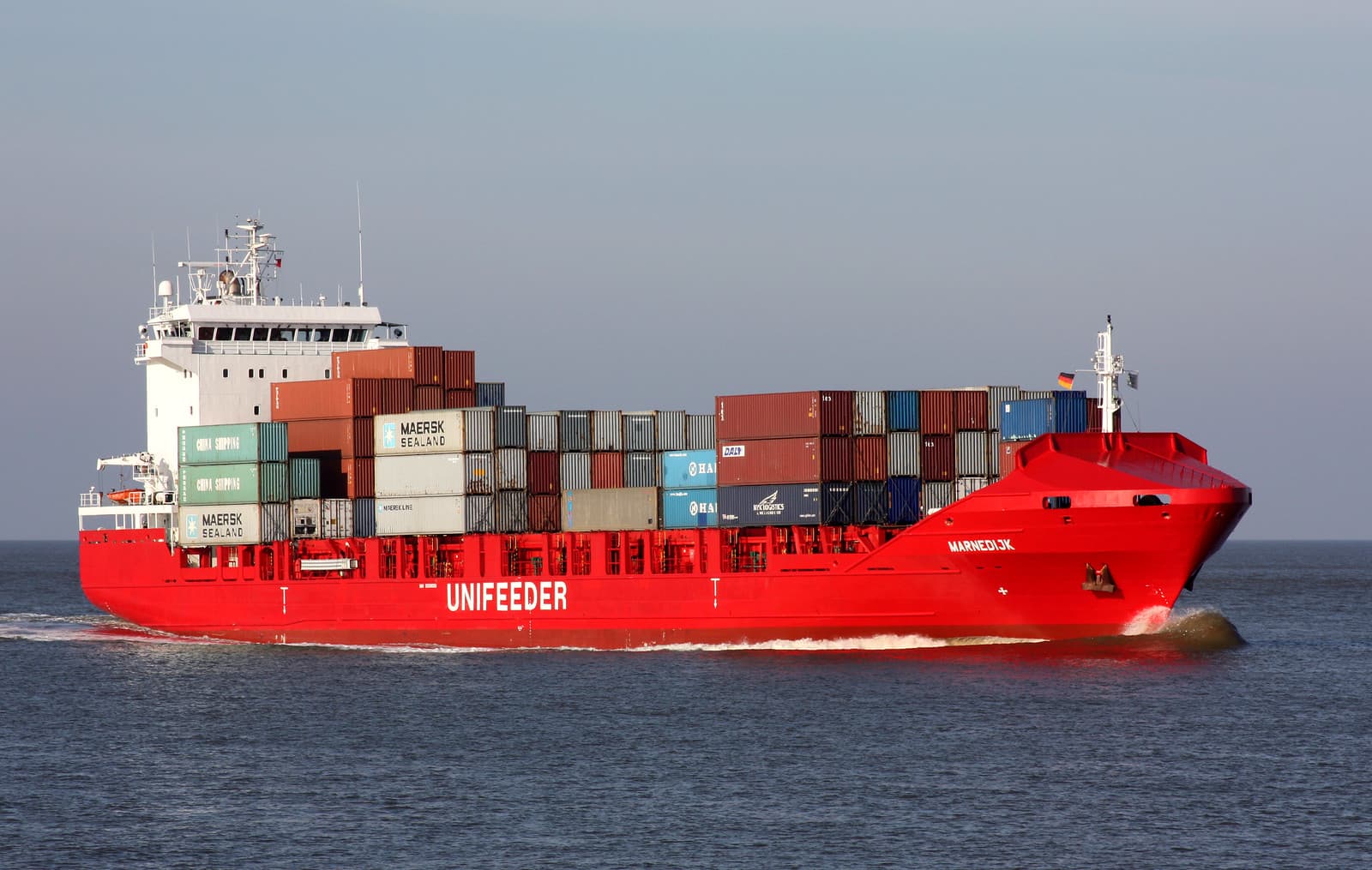
China's export growth experienced a significant slowdown in March, according to reporting from The Wall Street Journal. This deceleration indicates a weakening global demand environment, with the ongoing conflict in the Middle East emerging as a potential drag on international trade and a key engine of China's economic expansion.
This development carries direct implications for investors and traders. A faltering export sector can translate to reduced corporate earnings for companies reliant on Chinese manufacturing and trade. Furthermore, it signals a broader global economic cooling, potentially impacting commodity prices and currency valuations. Traders will be closely monitoring how this trend affects global supply chains and inflation expectations.
Prior to this report, China's export engine had been a consistent driver of global economic activity. Robust export figures had been a bright spot, contributing to a sense of resilience in the face of other geopolitical and economic uncertainties. This recent slowdown marks a notable shift from that established pattern.
Moving forward, market participants will be watching for confirmation of this trend in subsequent economic data releases from China and its major trading partners. The duration and severity of this export slowdown will be critical in assessing its long-term impact on global growth prospects.


