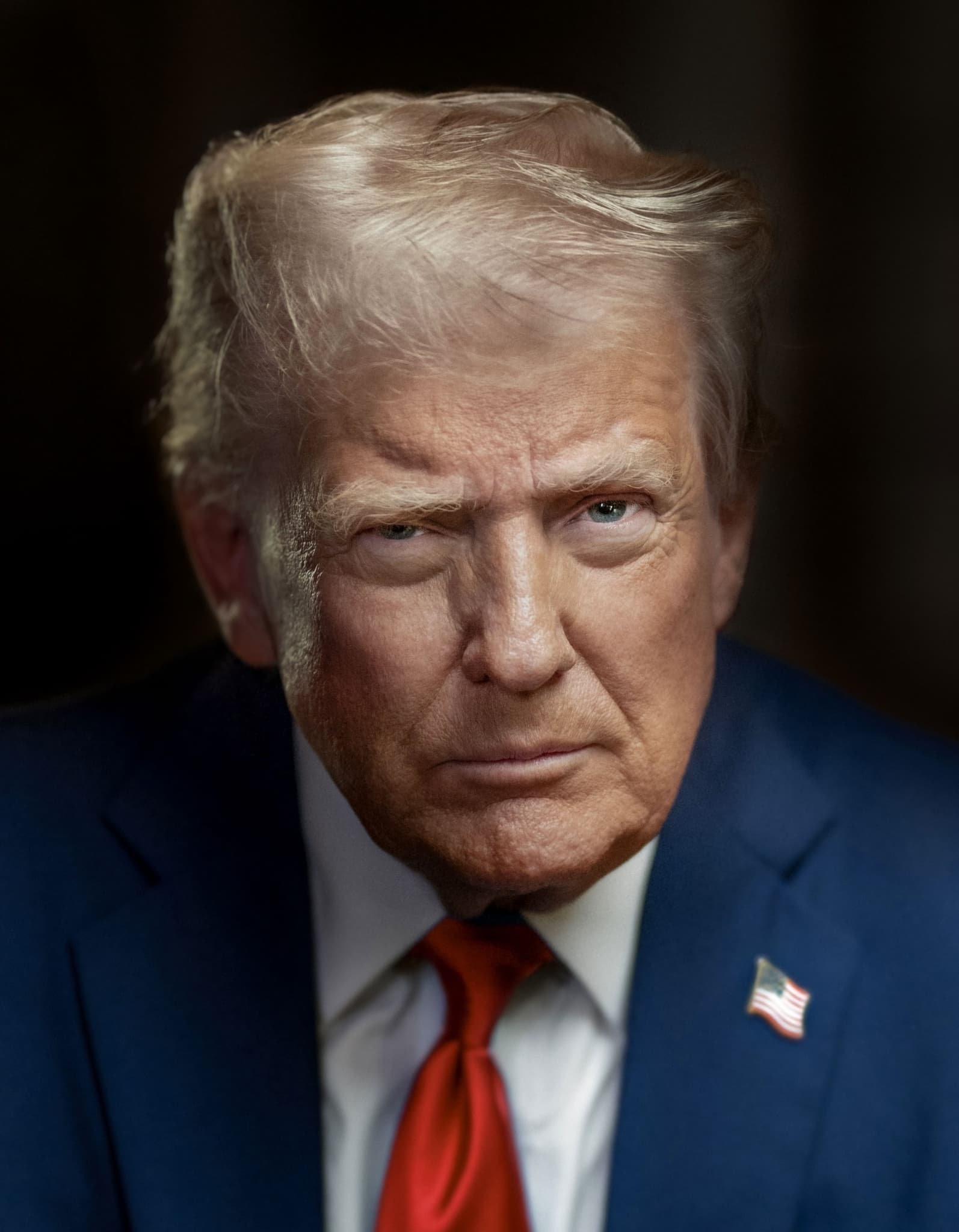
WASHINGTON — A prominent former U.S. general has privately urged President Trump to engage Chinese President Xi Jinping directly regarding escalating tensions with Iran and the critical Strait of Hormuz shipping lane. This extraordinary behind-the-scenes push underscores the severe economic ramifications of any disruption in the vital oil transit choke point, immediately sending ripples of uncertainty through global commodity markets and influencing risk premiums across financial instruments. The strategic counsel points to Beijing's unique leverage and vested interest in maintaining stability in the Persian Gulf, a region supplying a significant portion of China's energy needs, thus positioning President Xi as a potentially indispensable mediator in a volatile geopolitical landscape.
The immediate market reaction to the underlying geopolitical tension is palpable, even before any official diplomatic moves. While specific oil price movements were not immediately reported in response to this private counsel, the broader energy sector remains highly sensitive to Middle East instability, which can quickly translate into higher crude benchmarks and inflationary pressures across the global economy. Equities, particularly those sensitive to supply chain disruptions and energy costs, face increased volatility; the S&P 500 currently trades at 6,817, the Nasdaq at 22,903 and the Dow Jones Industrial Average at 47,917, with all indices showing mixed performance as investors weigh various macro factors against geopolitical risks. In the digital asset space, Bitcoin trades at $71,651 and Ethereum at $2,216, with the Crypto Fear & Greed Index registering at 16, indicating Extreme Fear, reflecting a market grappling with a complex interplay of inflation concerns, interest rate outlooks and heightened geopolitical anxieties.
This call for high-level diplomatic intervention is not merely about de-escalation but represents a critical juncture in U.S. foreign policy, intertwining national security with global economic stability. The legislative context extends beyond immediate military postures to encompass long-standing United States sanctions policy against Iran, the future of the Iran nuclear deal and the broader implications for international maritime law governing freedom of navigation. Congress, particularly the House Financial Services Committee and the Senate Banking Committee, would closely monitor any developments that could impact global financial flows, trade agreements and the efficacy of U.S. economic leverage. The underlying question is whether a joint U.S.-China initiative could circumvent the existing legislative gridlock on Iran policy, offering a pragmatic path to stabilize a region vital for global commerce.
The key stakeholders in this unfolding drama include, first and foremost, the United States and Chinese administrations, each with distinct but overlapping interests in Middle Eastern stability. Major oil-importing nations like Japan and South Korea also stand to gain significantly from de-escalation, as their economies are acutely vulnerable to energy price shocks. Conversely, those who profit from higher oil prices or increased defense spending, such as certain energy producers or defense contractors, might see their financial interests shift based on the trajectory of diplomatic efforts. The Iranian Revolutionary Guard Corps, which controls access to the Strait of Hormuz, remains a central actor, wielding the power to disrupt global trade. The former general's counsel highlights China's pivotal role as Iran's largest oil customer and a major global power, positioning Beijing as a crucial, if complicated, partner in any resolution.
The industry impact of a potential Strait of Hormuz disruption would be catastrophic, far exceeding localized conflicts. Shipping companies like Maersk and MSC, which rely on the strait for global cargo routes, face immense operational and financial risk. Global energy giants such as ExxonMobil and Saudi Aramco would see their supply chains and pricing models fundamentally challenged. Beyond oil, the ripple effects would touch every sector reliant on global trade and stable energy costs, from manufacturing to technology. Companies like Tesla, trading at $348.95, and Amazon, at $238.38, rely on predictable global supply chains and consumer confidence, both of which would be severely impacted by sustained geopolitical instability. Even the digital asset industry, while often touted as a hedge against traditional financial systems, remains tethered to the broader macro environment, experiencing sell-offs during periods of extreme global uncertainty.
From a legal and diplomatic perspective, any joint U.S.-China initiative on Iran would navigate a complex web of international law, including the United Nations Convention on the Law of the Sea, which guarantees transit passage through international straits. Such a move would also necessitate careful consideration of existing U.S. and international sanctions regimes against Iran, requiring potential waivers or re-interpretations depending on the nature of Chinese engagement. The precedent set by U.S.-China cooperation on a critical security issue could reshape future multilateral approaches to global hotspots, potentially sidestepping or reinforcing the role of the UN Security Council. The legal implications for maritime insurance, trade contracts and international investment would also be significant, as parties would recalibrate risk assessments based on the perceived stability of the region and the reliability of diplomatic solutions.
Looking forward, the ball is now in President Trump's court. Whether he chooses to act on the former general's advice and directly engage President Xi will dictate the immediate trajectory of U.S.-China relations and the potential for a diplomatic off-ramp in the Persian Gulf. A successful joint effort could pave the way for broader cooperation on other global challenges, potentially easing trade tensions and fostering a more predictable geopolitical environment. Conversely, a failure to act, or a breakdown in communication, risks further escalation, which would inevitably translate into sustained volatility across energy markets, a flight to safe-haven assets and an enduring drag on global economic growth. The diplomatic dance between Washington and Beijing holds the key to billions of dollars in trade and investment flows.


