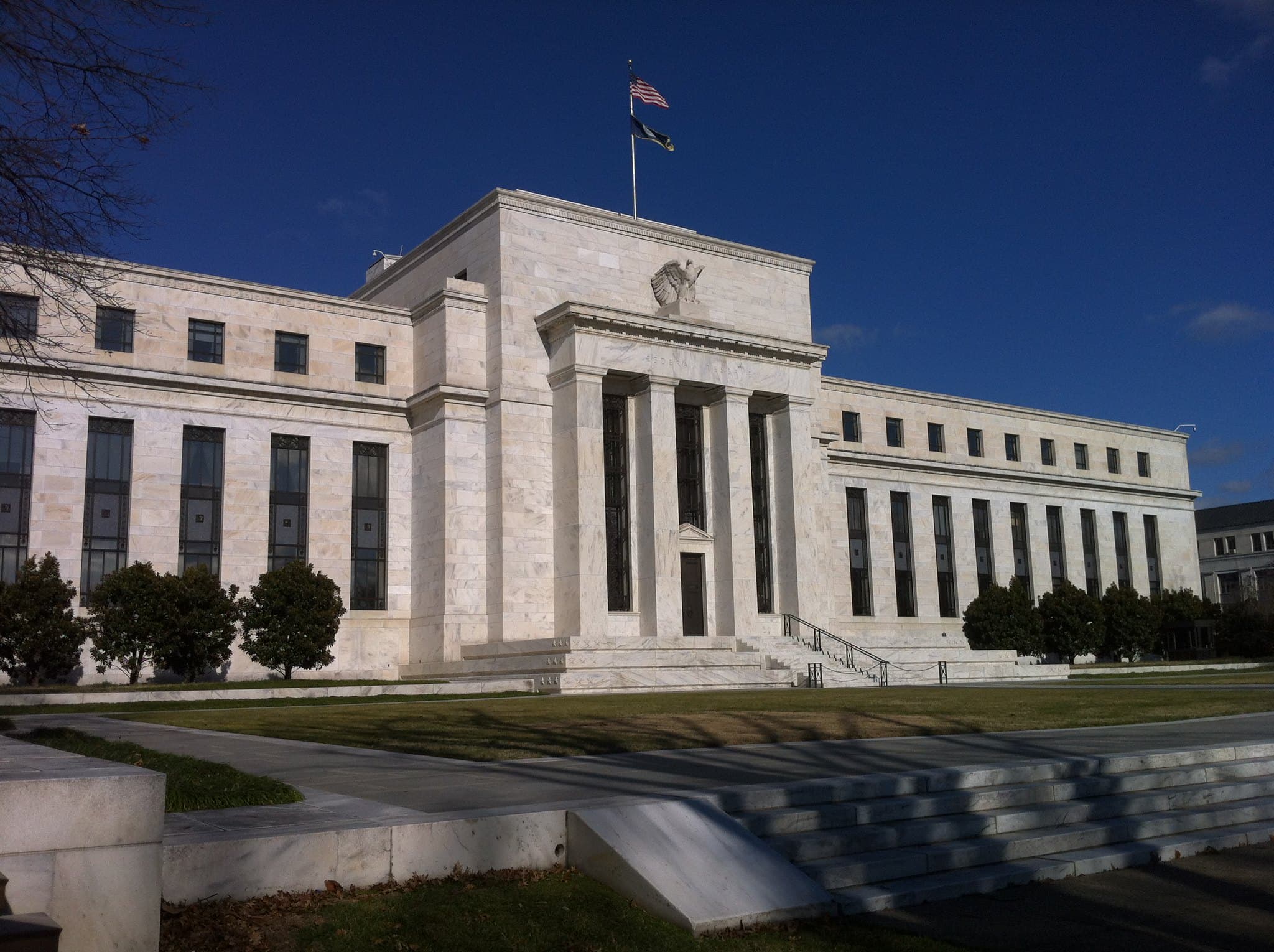
NEW YORK — The anticipated transition of leadership at the Federal Reserve faces an unexpected hurdle, with reports indicating a potential delay in Kevin Warsh's confirmation as the next chair. This development, stemming from political maneuvering and challenges within the Senate confirmation process, casts a shadow over the future direction of U.S. monetary policy. While Jerome Powell remains at the helm, the prospect of prolonged uncertainty regarding his successor's eventual appointment injects an element of risk into an already complex economic landscape, compelling institutional investors to re-evaluate their duration exposures and curve positioning.
Markets immediately reflected this newfound policy ambiguity. Longer-dated Treasury yields, particularly the 10-year, saw increased volatility as traders began pricing in a wider range of potential outcomes for the Fed's terminal rate and future policy path. The U.S. Dollar Index, a barometer of global risk sentiment and U.S. economic stability, experienced modest weakening as political gridlock often correlates with currency depreciation. Equity futures, already navigating a mixed bag of corporate earnings and inflation data, registered cautious movements; the Nasdaq saw a positive 0.4 percent move to $22,903, while the S&P 500 dipped 0.1 percent to $6,817, and the Dow Jones fell 0.6 percent to $47,917, indicating a divergence in sector-specific risk appetite. Gold, a traditional safe-haven asset, edged higher on the heightened uncertainty.
This situation echoes past periods of central bank leadership transitions, which historically introduce a temporary, yet potent, dose of market anxiety. During the 2017 transition from Janet Yellen to Jerome Powell, for instance, markets closely scrutinized every comment for clues on policy continuity or divergence. However, the current scenario differs in that the uncertainty is centered on the delay of a presumed successor, rather than the identity itself. This creates a vacuum where the market struggles to price in the future policy bias, leading to a broader range of potential interest rate paths than typically seen during more orderly transitions. Such political friction around a critical economic appointment underscores the delicate balance between government and central bank independence.
From the Federal Reserve's perspective, this delay complicates its communication strategy. Powell, as current chair, must continue to steer the institution through ongoing inflation challenges and labor market dynamics, all while operating under the shadow of an uncertain succession plan. The market generally perceives Warsh as a more hawkish candidate, suggesting a potential shift towards tighter monetary policy if confirmed. A prolonged delay, however, means the current policy stance, which has been carefully calibrated to achieve price stability, will persist longer without a clear signal of future direction. This ambiguity can erode the clarity of the Fed's forward guidance, potentially impacting global central banks like the European Central Bank and the Bank of Japan, who often take cues from the U.S. Federal Reserve's actions and outlook.
Fixed income portfolios are particularly exposed to this developing narrative. The yield curve, a critical indicator of future economic expectations, faces pressure from both ends. If the delay extends, the market might anticipate a longer period of current policy, potentially leading to a flattening of the curve as short-term rates remain anchored while long-term rates reflect continued inflation concerns. Conversely, if the market still expects a hawkish Warsh, the uncertainty could steepen the curve, with investors demanding higher premiums for longer-duration bonds due to the increased risk of future rate hikes. Credit spreads, a measure of risk premium on corporate debt, are also vulnerable; heightened policy uncertainty typically leads to spread widening as investors demand greater compensation for holding corporate bonds over risk-free Treasuries. Managing duration risk becomes paramount, as portfolios with significant long-duration exposure are highly sensitive to these shifts in interest rate expectations.
The ripple effects extend across other asset classes. Equities, fundamentally sensitive to the discount rate applied to future earnings, will likely see continued sector rotation. Technology giants like Nvidia, trading at $188.63, and Amazon, at $238.38, which are often more sensitive to interest rate expectations, may experience increased volatility as investors recalibrate growth prospects. In the crypto markets, assets like Bitcoin, trading at $72,891, and Ethereum, at $2,238, often seen as both risk-on assets and inflation hedges, face a complex environment. The Crypto Fear & Greed Index, currently at 15 (Extreme Fear), underscores the prevailing caution among digital asset investors, with macro uncertainty adding another layer of complexity to their valuation. Commodities, particularly gold, will likely retain their appeal as a hedge against market volatility and geopolitical risk.
Looking ahead, the market will scrutinize every development from Capitol Hill regarding the confirmation process. Senate hearings, committee votes and potential political negotiations will dictate the timeline and eventual outcome. Meanwhile, upcoming economic data releases, including inflation reports and labor market statistics, will continue to provide critical inputs for current Fed policy decisions, irrespective of the leadership uncertainty. Scenario analysis suggests a range of possibilities, from a swift confirmation that quickly clarifies the policy path, to a protracted delay that could necessitate a temporary extension of Powell's term or the emergence of an alternative candidate, each scenario carrying distinct implications for market stability and interest rate trajectories.
The bottom line for institutional investors is clear: policy uncertainty is now a dominant theme in the macro landscape. The bond market, as always, will serve as the primary conduit for pricing in these shifting probabilities. Maintaining agility in duration management, exploring convex hedging strategies and diversifying across asset classes will be crucial for navigating the choppy waters ahead. The Federal Reserve's independence and the clarity of its communication are paramount, and any perceived threat to either will continue to manifest as increased volatility and a wider dispersion of outcomes across global financial markets.


