NEW YORK—Pope Francis, during a recent prayer vigil, urged world leaders to end the "madness of war," emphasizing the profound human cost by highlighting letters from children in conflict zones. While fundamentally a humanitarian appeal, the pontiff's stark message serves as a potent reminder for fixed-income strategists of the pervasive geopolitical risks that continue to permeate global markets. This underlying instability is not merely a social concern; it is a critical macro factor influencing central bank policy, driving safe-haven flows and embedding a persistent inflation premium into asset prices, challenging the delicate balance central bankers seek in achieving price stability.
Markets continue to price in the geopolitical backdrop, albeit with nuanced reactions. The U.S. Dollar Index has remained firm, reflecting persistent safe-haven demand amid global uncertainties, even as equity markets showed mixed performance. The S&P 500 closed down 0.1 percent at 6,817, while the Nasdaq Composite saw a modest gain of 0.4 percent, closing at 22,903. The Dow Jones Industrial Average shed 0.6 percent to 47,917, and the Russell 2000 dipped 0.2 percent to 2,631. This bifurcated reaction highlights the market's current struggle to price geopolitical risk effectively, with duration-sensitive assets still signaling caution and the Crypto Fear & Greed Index registering 15, indicating extreme fear.
The current geopolitical landscape, punctuated by calls for de-escalation from global figures like Pope Francis, echoes historical periods where fixed-income markets grappled with exogenous shocks. During the 1970s, oil embargoes and regional conflicts directly fueled inflation, forcing central banks into aggressive tightening cycles that dramatically reshaped yield curves. While today's economy is structurally different, the core mechanism—geopolitical friction translating into supply chain disruptions and commodity price volatility—remains potent. This adds a persistent inflation premium to long-duration assets, a dynamic bond investors last contended with in earnest decades ago, making the current environment particularly challenging for duration management and requiring diligent risk assessment by institutional players.
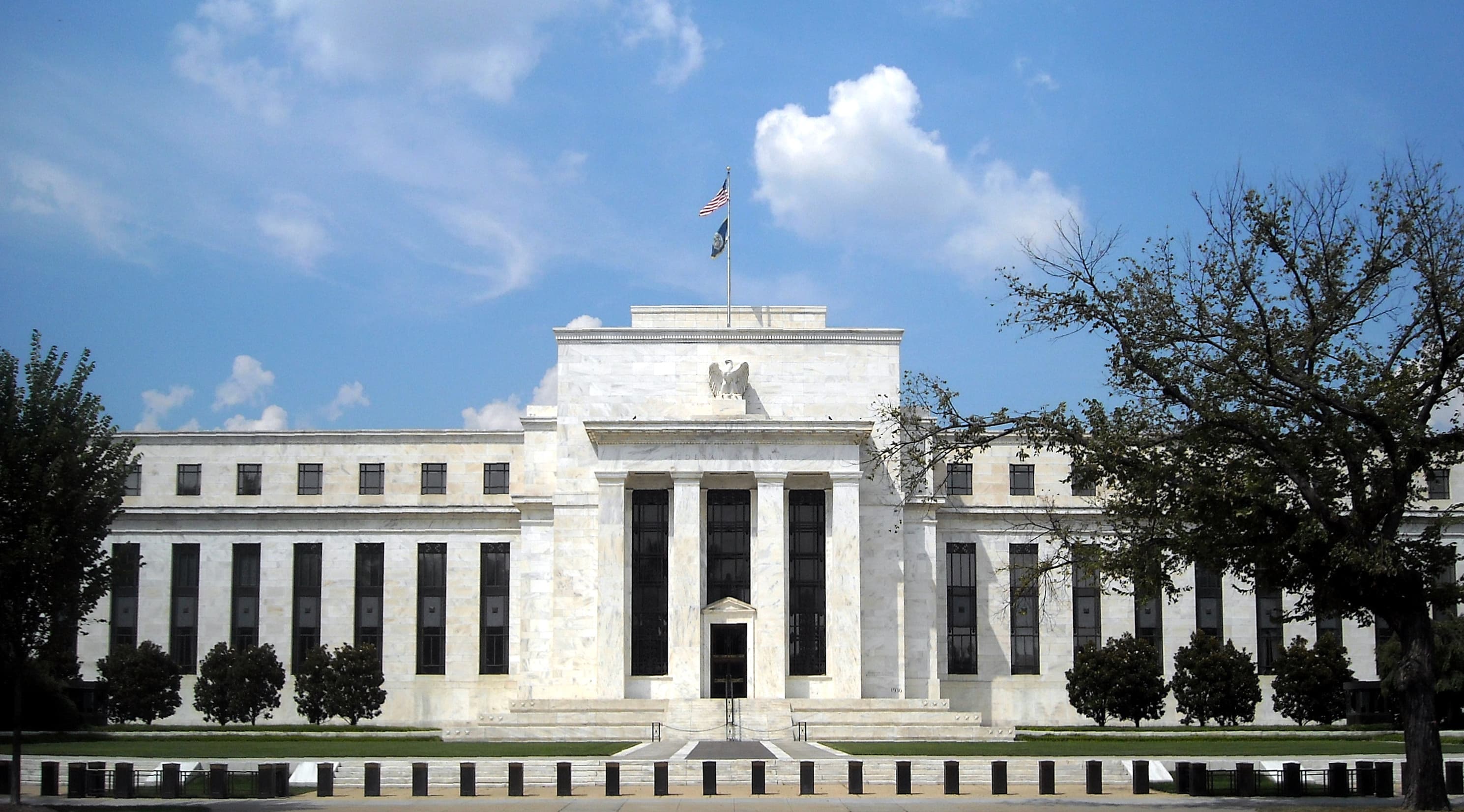
Central banks globally, including the Federal Reserve under Chair Jerome Powell, remain acutely aware of geopolitical flashpoints as critical inputs into their monetary policy calculus. While their mandates are primarily domestic, external shocks originating from conflict zones directly impact inflation trajectories through commodity prices and supply chain integrity. The European Central Bank and Bank of Japan face similar challenges, with persistent global tensions complicating their efforts to normalize policy or manage disinflationary pressures. Pope Francis' appeal underscores a reality that policymakers cannot ignore: sustained geopolitical friction risks embedding higher inflation expectations, demanding a more cautious approach to any dovish pivot and potentially extending the period of restrictive monetary policy, thereby delaying the prospect of rate cuts.
The fixed income landscape continues to price in a significant geopolitical risk premium, evident in the nuanced shape of the U.S. Treasury yield curve. While short-term yields remain anchored by Federal Reserve rate policy, the long end often reflects a tug-of-war between safe-haven demand and inflation concerns stemming from global instability. Persistent geopolitical friction typically leads to higher term premia, steepening the curve as investors demand more compensation for future uncertainty. Conversely, a flight to quality can compress credit spreads in investment-grade corporates, as institutional capital seeks relative safety. However, this environment elevates duration risk across portfolios, as unexpected escalations or de-escalations can trigger sharp repricings, challenging even seasoned managers in their asset allocation decisions across sovereign and corporate debt markets.
Geopolitical uncertainty casts a long shadow across all asset classes, with Pope Francis' plea serving as a poignant reminder of the pervasive risks. Equities often react with heightened volatility; sectors exposed to global trade or energy prices experience direct impacts, while defensive stocks may see relative outperformance. Bitcoin, currently trading at $73,445, and Ethereum, at $2,300, continue to navigate this complex environment, with some investors viewing them as uncorrelated hedges against traditional financial instability, while others treat them as risk-on assets susceptible to broader market sentiment. Gold, a perennial safe-haven asset, typically benefits from geopolitical unease, seeing sustained demand. Commodities, particularly crude oil and natural gas, remain highly sensitive to regional conflicts, with supply disruptions feeding directly into inflation expectations and corporate earnings projections.
Looking ahead, the market's focus will remain on the interplay between incoming macro data and the evolving geopolitical landscape. Upcoming inflation reports, particularly U.S. CPI and PCE figures, will be scrutinized for any signs that global instability is translating into persistent price pressures. Central bank meetings, including the Federal Open Market Committee's next gathering, will provide crucial updates on policymakers' assessment of systemic risks and their implications for the rate path. Analysts at firms like BlackRock and PIMCO are modeling scenarios ranging from further geopolitical fragmentation, which would likely steepen yield curves and widen credit spreads, to a gradual de-escalation that could alleviate some inflationary pressures and allow central banks more flexibility. The path forward remains highly contingent on these interconnected variables, with every data point and diplomatic development holding significant weight.
The bottom line for fixed-income investors is clear: geopolitical risk, amplified by global pleas for peace like Pope Francis', is no longer an ancillary concern but a primary driver of macro outcomes and central bank policy. The specter of conflict contributes to a persistent inflation premium, demanding a heightened focus on duration management and credit quality within portfolios. While the immediate market reaction to humanitarian calls for peace may be muted, the underlying tensions continue to shape yield curves and influence capital flows across sovereign debt, corporate bonds and emerging markets. Investors must remain vigilant, prioritizing portfolio resilience against a backdrop of elevated global uncertainty where the "madness of war" continues to cast a long, unpredictable shadow over economic stability and interest rate trajectories.


