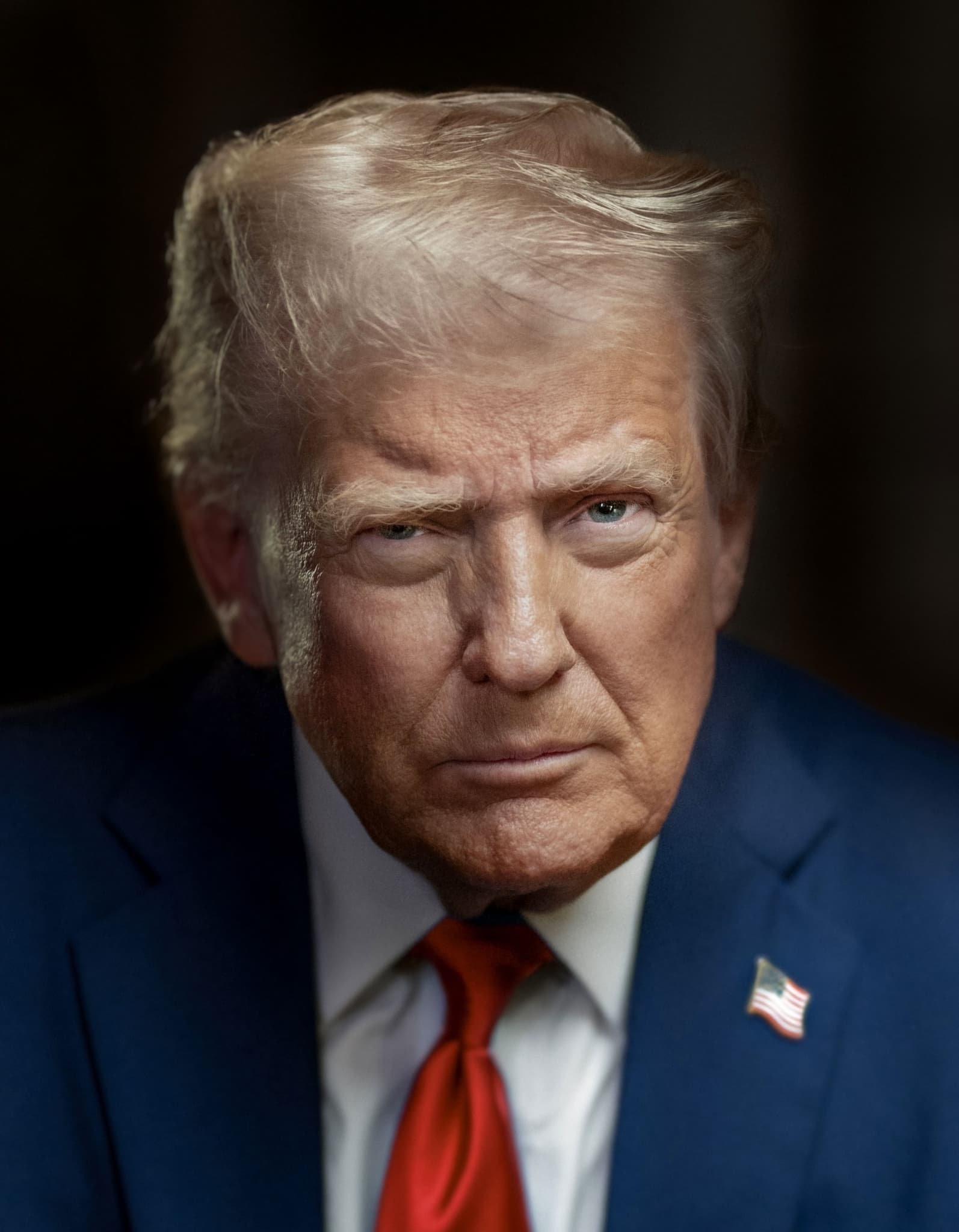
NEW YORK — Global markets are grappling with a sudden surge in geopolitical uncertainty following reports detailing North Korean leader Kim Jong Un's public display of advanced weaponry and strategic partnerships, an overt signal preceding President Trump's pivotal diplomatic visit to China next week. This calculated show of force from Pyongyang, meticulously timed, immediately forced investors to reassess risk premiums across the entire spectrum of financial instruments, from sovereign bonds to emerging market equities. The bond market, ever sensitive to shifts in global stability, quickly registered a decisive flight to quality, reflecting deep apprehension regarding potential escalations or diplomatic friction during the high-stakes discussions between the United States and China. This renewed focus on geopolitical risk now overlays existing concerns about central bank policy and persistent inflation, creating a complex environment for capital allocation. The market's preemptive positioning underscores a collective effort to de-risk portfolios in the face of an unpredictable international landscape.
In immediate reaction to the heightened tensions, U.S. Treasury yields experienced a significant downward adjustment, particularly across the intermediate and long ends of the curve, as safe-haven demand surged. The benchmark 10-year Treasury yield dropped several basis points, contributing to a flattening bias on the 2s10s curve as institutional investors sought the perceived safety of longer-dated maturities. Concurrently, the U.S. Dollar Index strengthened, attracting capital flows into dollar-denominated assets and reaffirming its role as the world's premier reserve currency during periods of global instability. Equity markets presented a mixed picture, with the S&P 500 trading at $6,817 and the Dow Jones at $47,917 showing slight declines, while the Nasdaq managed a modest gain to $22,903, buoyed by resilience in select mega-cap technology firms such as Tesla, trading at $348.95, and Nvidia, reaching $188.63. Gold, a traditional haven asset, saw a pronounced rally, with futures contracts indicating robust demand as investors sought to hedge against potential market volatility and currency depreciation.
This current geopolitical episode evokes memories of past periods of heightened international tension, where similar displays of military posturing or diplomatic impasses have historically driven sharp shifts in investor sentiment and asset allocation. During such times, the fixed income market typically responds with a distinct flattening or even inversion of sovereign yield curves, as short-term rates remain anchored by central bank policy while long-term rates decline due to growth concerns and safe-haven buying. Credit spreads also tend to diverge, with investment-grade corporate bonds often showing resilience or even tightening against Treasuries, while high-yield and emerging market debt spreads widen considerably, reflecting a reduced appetite for risk. Unlike some previous cycles, however, the current backdrop includes elevated inflation and quantitative tightening by major central banks, which could amplify the market's sensitivity to supply-side shocks or disruptions to global trade, potentially exacerbating duration risk for investors holding long-dated instruments.
The Federal Reserve, under Chair Jerome Powell, now faces an additional layer of complexity as it navigates its dual mandate of price stability and maximum employment amid this evolving geopolitical landscape. While the Fed's primary focus remains on domestic inflation and labor market data, any significant escalation of international tensions could influence future policy decisions by impacting global supply chains, commodity prices or overall economic growth forecasts. The European Central Bank and Bank of Japan also monitor these developments closely, as geopolitical instability in Asia has broad implications for global trade, energy security and the stability of the international financial system. Central bankers will need to weigh the potential for increased inflationary pressures from supply disruptions against the possibility of a demand-side shock if geopolitical risks lead to a material slowdown in global economic activity, complicating their forward guidance on interest rates.
From a fixed income perspective, the flattening of the U.S. Treasury yield curve signals that bond investors are increasingly pricing in an environment of slower growth or even a potential recession, driven by geopolitical uncertainty and its economic ramifications. The compression between the two-year and 10-year notes, a key indicator for future economic activity, suggests that the market demands less additional compensation for holding longer-term debt. Credit spreads, particularly within the high-yield and emerging market segments, are likely to experience widening pressure as risk aversion grows, reflecting a reduced appetite for credit risk among institutional funds. Conversely, spreads on highly rated corporate bonds may remain relatively stable or even tighten slightly against Treasuries, as investors seek quality within the credit market. Duration risk becomes paramount in such an environment, as shifts in interest rate expectations and sovereign debt demand can lead to significant price volatility for long-dated bonds, requiring active management and strategic rebalancing of portfolios.
The implications of this geopolitical flare-up extend far beyond traditional fixed income, impacting a broad spectrum of cross-asset classes. Equity markets, particularly those with significant international exposure or reliance on global supply chains, may experience increased volatility and sector rotation as investors de-risk. Commodities, especially crude oil and industrial metals, could see price fluctuations based on perceptions of supply disruption or demand destruction, with potential inflationary consequences. The cryptocurrency market, currently experiencing extreme fear with the Crypto Fear & Greed Index at 15, also reacts to these macro currents; while Bitcoin at $72,746 and Ethereum at $2,233 have shown some resilience, broader risk-off sentiment can still temper speculative appetite. The narrative around Bitcoin as a digital safe haven could gain traction, but its correlation with traditional risk assets often remains significant during periods of intense market stress.
Looking ahead, market participants will closely monitor Trump's upcoming China trip for any signals of de-escalation or, conversely, increased friction, which could significantly alter the current risk calculus. Key economic data releases, including inflation reports and manufacturing indices from major global economies, will also be scrutinized for their potential to either confirm or contradict the market's current trajectory of slowing growth and persistent price pressures. The minutes from the latest Federal Reserve meeting, due for release next week, will provide further insight into the central bank's assessment of the economic outlook and its tolerance for geopolitical volatility. Scenario analysis by major banks will focus on the potential for supply chain disruptions, commodity price shocks and the broader impact on corporate earnings, shaping investment strategies for the coming months.
The bottom line for investors is that the current geopolitical climate necessitates a defensive posture, emphasizing capital preservation and judicious risk management. The bond market's immediate reaction, characterized by a flight to quality and yield curve flattening, signals a clear preference for safe-haven assets over riskier ventures. While central banks remain focused on inflation, the increasing geopolitical uncertainty could force them to consider the broader implications for global economic stability. Investors should prioritize liquidity, assess duration risk carefully and consider allocations to assets that historically perform well during periods of heightened international tension, such as U.S. Treasuries and gold. The path forward remains fraught with uncertainty, demanding constant vigilance and adaptability in portfolio construction as geopolitical events continue to shape the macro outlook.


