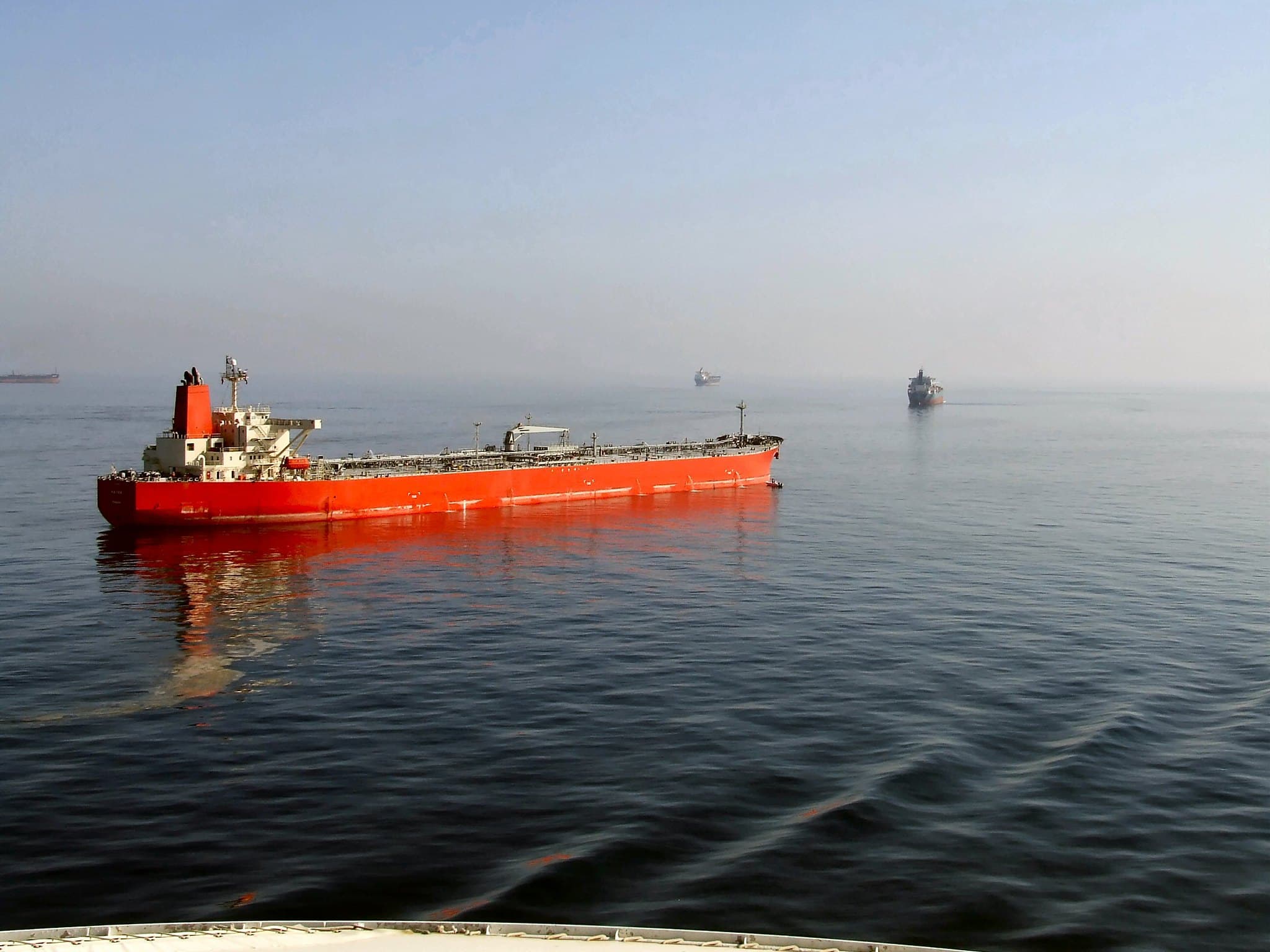
Iran is entering negotiations with the United States from a position of strength. The report indicates Iran has successfully tested the boundaries of American power and now controls the Strait of Hormuz following recent conflict. This strategic advantage raises questions about whether Iranian leadership will leverage this critical position too aggressively in upcoming talks.
For investors and traders, this development signifies a potential shift in regional stability and energy market dynamics. Control of the Strait of Hormuz, a vital chokepoint for global oil shipments, directly impacts crude oil prices and the security of supply chains. Any perceived escalation or miscalculation by Iran could lead to increased market volatility.
Prior to this news, markets were navigating a complex geopolitical landscape with ongoing concerns about inflation and interest rate hikes. The energy sector, in particular, has been sensitive to supply disruptions and geopolitical tensions. This new information adds another layer of uncertainty to an already cautious trading environment.
Investors and traders should closely monitor the upcoming negotiations between Iran and the U.S. The outcome of these discussions, and Iran's approach to utilizing its control of the Strait of Hormuz, will be critical indicators for future market movements.


