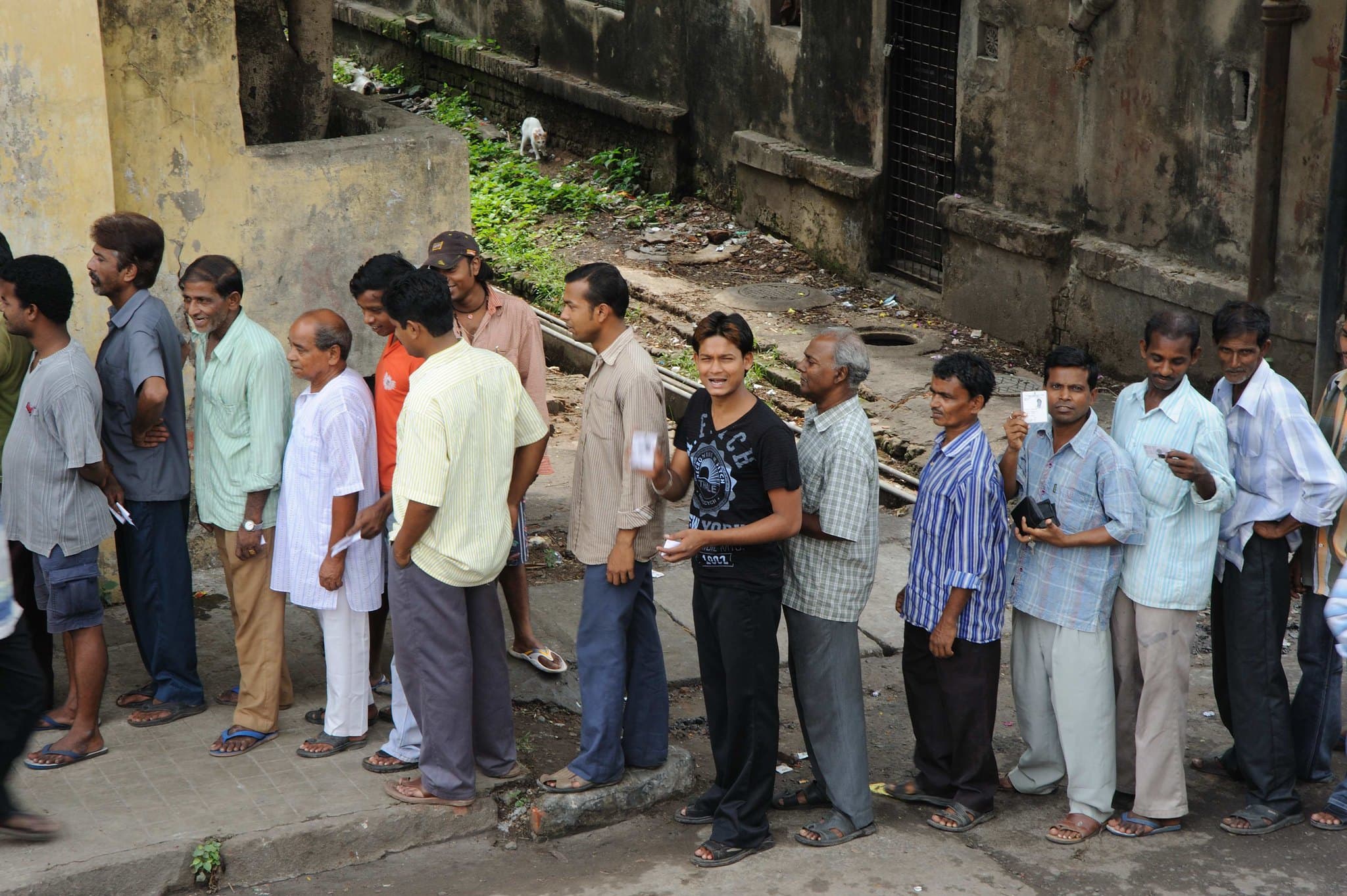
Millions of Indians cast their ballots today in local elections across two states, marking the commencement of four significant electoral contests scheduled for this month. This voting occurs against the backdrop of ongoing conflict in the Middle East, which has led to some fuel shortages. Despite these global pressures, Prime Minister Narendra Modi's administration has successfully maintained domestic fuel prices.
For investors and traders, these elections are a crucial indicator of political stability and economic policy continuity in India. The outcomes will influence sentiment towards Indian assets and could impact sectors sensitive to government spending and regulatory environments. A decisive mandate for the ruling party could signal continued economic reforms, while a fragmented result might introduce uncertainty.
Prior to this electoral activity, global markets were already navigating volatility stemming from the Middle East conflict, which had begun to affect energy supply chains and inflation expectations. Domestically, India had been focused on managing inflation and fostering economic growth, with the government's ability to control fuel prices being a key achievement.
Investors will be closely monitoring the results of these local elections as they unfold, looking for any shifts in political power and their potential implications for economic policy. The broader impact of the Middle East situation on global energy markets remains a significant factor to observe.


