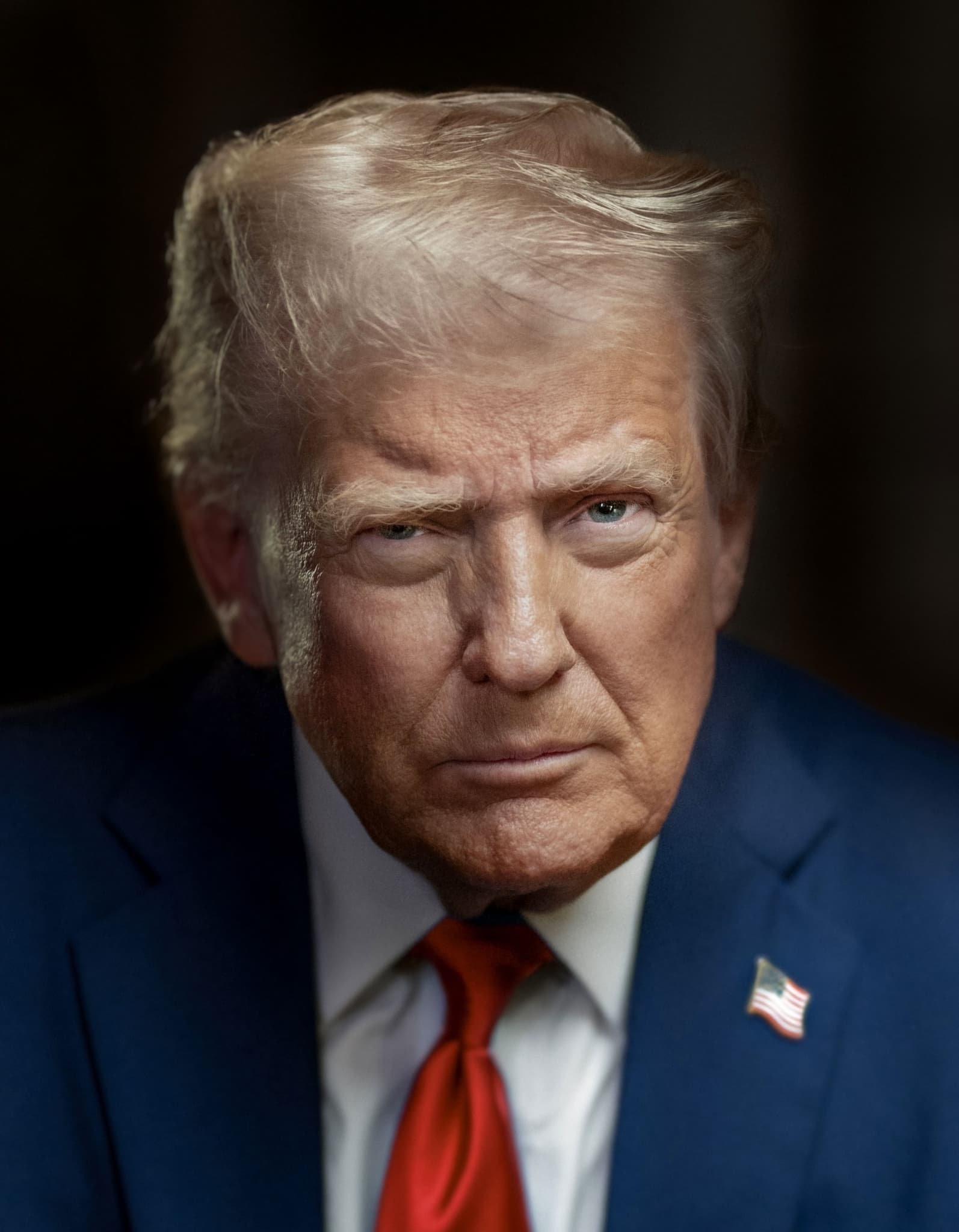
President Trump's inconsistent signals regarding U.S. troop withdrawals and Iran's escalating military actions are cited as the primary reasons for the Kurdish forces' exclusion from direct involvement in the ongoing conflict. that these dual pressures effectively sidelined the Kurds, preventing their active participation in the broader war efforts.
This development carries significant implications for investors and traders. The exclusion of a key regional player like the Kurds can alter the geopolitical landscape, potentially impacting energy markets, defense sector stocks, and the stability of surrounding nations. Uncertainty surrounding the region's future alliances and the balance of power will be a critical factor for market sentiment.
Prior to this, markets were already navigating a complex environment. Geopolitical tensions were a persistent concern, with ongoing trade disputes and regional conflicts creating volatility. Investors were closely monitoring developments in the Middle East, anticipating potential disruptions to oil supply and shifts in international relations. The U.S. administration's policy pronouncements, particularly regarding troop deployments, had been a focal point of analysis.
Moving forward, market participants will be scrutinizing any further statements from the Trump administration regarding its Middle East policy and observing Iran's subsequent actions. The long-term strategic positioning of regional powers and the potential for renewed instability will be key indicators to monitor. The evolving role of the Kurdish forces in the region will also be a critical factor to track.


