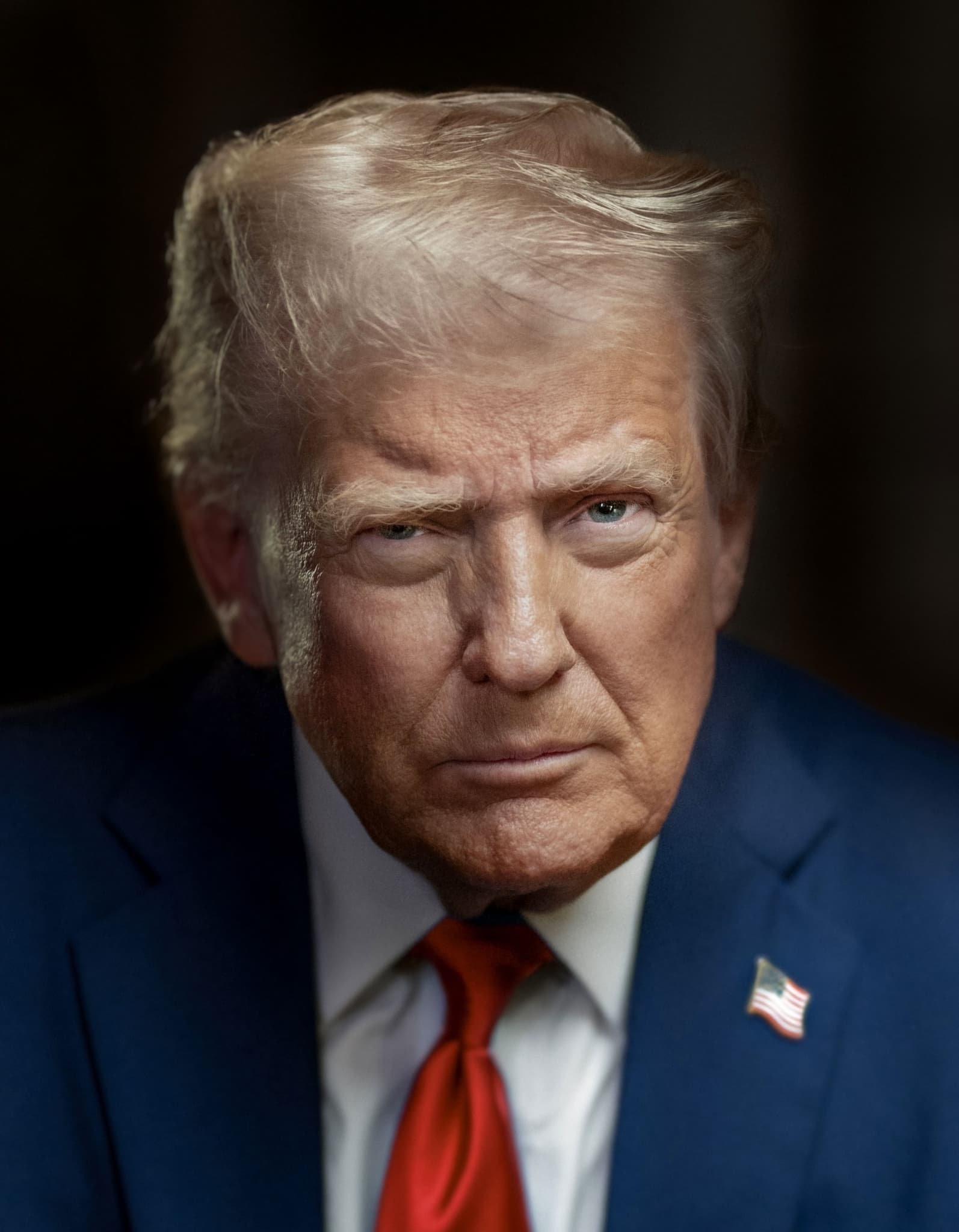
As President Donald Trump's 8 p.m. deadline for Iran approaches, the financial world is bracing for immediate market volatility driven by the prospect of intensified geopolitical tensions. This isn't about diplomatic niceties; it's a stark display of executive power, with potential actions that could send shockwaves through global energy markets, recalibrate risk premiums across asset classes, and impose significant new compliance burdens on international finance. The administration’s hardline stance signals a preference for unilateral economic leverage over multilateral engagement, a strategy that consistently prioritizes swift action over protracted negotiation, directly impacting the bottom lines of corporations and the stability of investor portfolios.
Markets are already reflecting a palpable sense of unease, with the Crypto Fear & Greed Index plummeting to 11, indicating 'Extreme Fear.' Bitcoin, often seen as both a digital hedge and a risk-on asset, is trading at $68,150, down 2.6% in the last 24 hours, while Ethereum has shed 3.9% to $2,080. Traditional equity markets are also feeling the pressure: the Dow Jones Industrial Average closed down 0.7% at $46,327, the S&P 500 fell 0.7% to $6,564, and the Nasdaq Composite dropped 1.0% to $21,771. Bellwether technology stocks like Apple (-4.0%), Tesla (-3.7%), and Microsoft (-1.0%) saw significant declines, underscoring investor flight from growth assets in the face of escalating uncertainty, while Alphabet (+0.6%) managed a slight gain against the broader trend.
This looming deadline is not an isolated event but a continuation of President Trump's assertive foreign policy, which heavily relies on the executive branch's capacity to impose economic sanctions. Such actions bypass the often-gridlocked Congressional legislative process, centralizing immense power in the Oval Office to shape global trade and financial flows. This strategy, while decisive, often prioritizes national security objectives over immediate economic stability, creating a volatile environment for multinational corporations and international investors who thrive on predictability and open markets. The power dynamics are clear: the executive branch can, and often does, act swiftly, leaving Congress to react and markets to adapt.
The beneficiaries of a hawkish posture are often found within the defense industrial complex and domestic energy producers who stand to gain from increased geopolitical tensions and potential oil price spikes. Companies like Lockheed Martin and Raytheon, while not directly commenting on specific deadlines, historically see increased investor interest during periods of heightened global instability. Conversely, the losers are widespread: multinational corporations with complex global supply chains, consumers facing potentially higher energy costs, and financial institutions burdened by escalating compliance requirements. Energy giants like ExxonMobil and Chevron, despite potential price increases, face significant operational uncertainties in volatile regions, underscoring the broad-reaching financial implications of such executive decisions.
Beyond immediate market fluctuations, the long-term industry impact could be profound. Shipping companies and their insurers are already repricing risk in critical maritime chokepoints, directly affecting global trade costs. Within the cryptocurrency sector, while proponents often tout its decoupling from traditional finance, major players like BlackRock and Fidelity, who manage significant Bitcoin spot ETF holdings, are meticulously monitoring the situation. Increased sanctions or conflict could paradoxically accelerate some nations' exploration of alternative payment rails, including central bank digital currencies (CBDCs) and decentralized crypto networks, as a means to bypass traditional financial systems like SWIFT, creating new opportunities and challenges for the digital asset ecosystem.
The legal framework underpinning President Trump's potential actions is primarily the International Emergency Economic Powers Act (IEEPA), which grants the executive broad authority to regulate international commerce during declared national emergencies. Any new sanctions regime would impose substantial compliance costs on global financial institutions, including major banks such as JPMorgan Chase and Citibank, which must invest heavily in robust systems to prevent illicit transactions and avoid severe penalties. The threat of secondary sanctions, targeting non-U.S. entities that continue to engage with sanctioned Iranian entities, creates a far-reaching enforcement net, significantly raising the stakes and compliance burden for companies operating across international borders, fundamentally altering global business practices.
Should President Trump follow through on his threats, the immediate aftermath will dictate the subsequent geopolitical and financial landscape, ranging from diplomatic fallout to potential military responses. Congress, while often sidelined on executive foreign policy, will undoubtedly react, with potential hearings and legislative attempts to assert oversight, particularly from influential figures like Senator Sherrod Brown, Chair of the Senate Banking Committee. Furthermore, the Federal Reserve, under Chair Jerome Powell, will be forced to assess the impact of escalating geopolitical instability on inflation and economic growth, potentially influencing future interest rate decisions and overall monetary policy, as global stability becomes a critical factor in domestic economic health.
Ultimately, President Trump's Iran deadline is not merely a policy announcement; it is a high-stakes power play designed to project strength and reshape geopolitical dynamics through the aggressive deployment of economic leverage. The financial markets are not simply reacting to headlines; they are pricing in the tangible costs of instability, from disrupted supply chains and increased energy prices to heightened compliance burdens for global corporations and financial institutions. This administration continues to demonstrate a clear preference for direct executive action, leveraging economic tools as primary instruments of foreign policy, a trend that will continue to define market volatility and investment strategies for the foreseeable future, rewarding those who anticipate, and penalizing those who ignore, the true cost of power.


