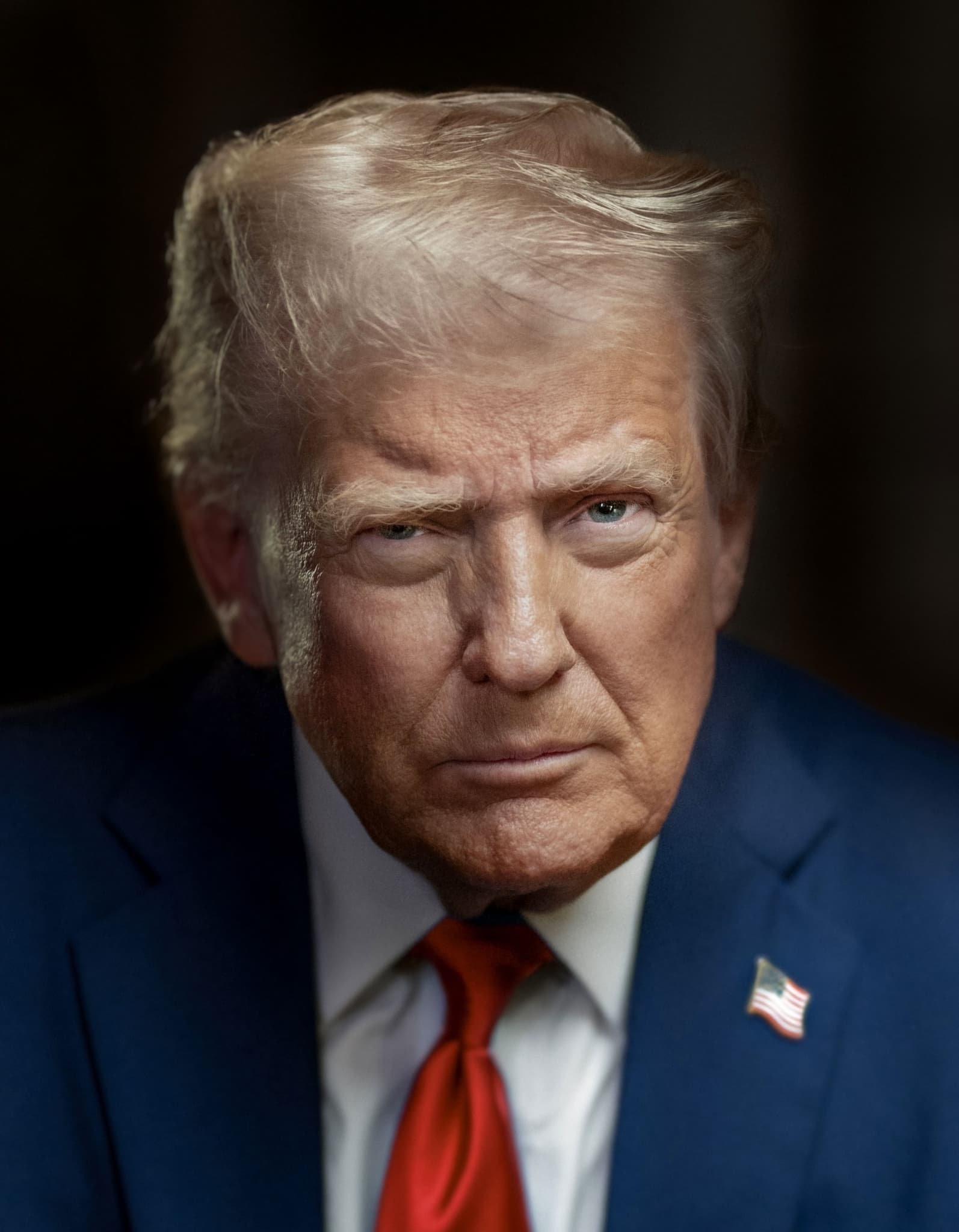
Iran has shown no indication of agreeing to President Trump's ultimatum to reopen the Strait of Hormuz by the end of April 7. The deadline passed without a stated Iranian concession, raising concerns about potential retaliatory actions against civilian infrastructure. This development marks a significant escalation in the ongoing conflict.
For investors and traders, this situation presents considerable uncertainty. The Strait of Hormuz is a critical chokepoint for global oil supply. Any disruption or perceived threat to its stability can lead to sharp price volatility in energy markets and broader financial instability. The potential for bombing civilian infrastructure introduces a new and concerning dimension, impacting risk premiums across various asset classes.
Prior to this ultimatum and its expiry, markets were already navigating a complex geopolitical landscape. Tensions in the Middle East have been a persistent factor, influencing oil prices and investor sentiment. However, the direct threat to civilian infrastructure represents a departure from previous escalations, potentially shifting the risk calculus for global markets.
Investors and traders will be closely monitoring any official statements or actions from both the United States and Iran in the immediate aftermath. The market’s reaction will depend on the perceived severity of any retaliatory measures and the international community's response. The situation remains fluid and demands constant vigilance.


