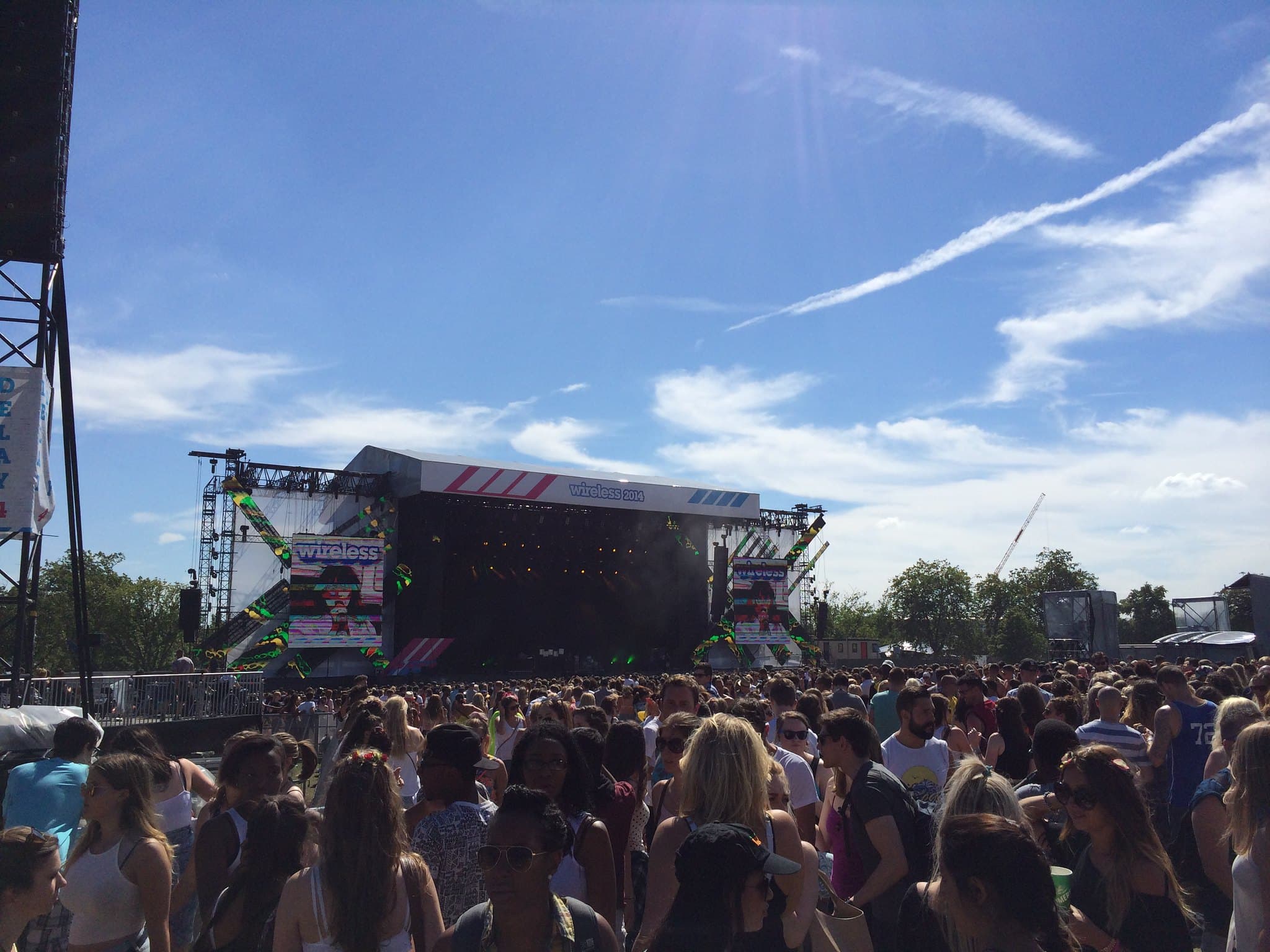
Live Nation Entertainment (LYV) is placing a significant wager on its upcoming Wireless Festival in London, securing a high-profile, albeit controversial, artist to perform across all three days of the event. This strategic booking, signals a clear intent to maximize attendance and drive revenue in the competitive live music market. The decision to feature an artist who has publicly navigated a "controversial past" underscores Live Nation's aggressive pursuit of top-tier talent, prioritizing drawing power and commercial appeal even amidst potential public relations scrutiny. For investors, this move immediately shifts focus to the potential uplift in ticket sales and ancillary revenues, weighing it against any unforeseen brand or reputational risks for the global entertainment giant.
While Live Nation's specific stock performance for today is not listed, the broader market context provides a backdrop for investor sentiment towards entertainment equities. The S&P 500 currently trades at $6,583, showing a modest gain of +0.1% today, while the Nasdaq is up +0.2% at $21,879, indicating a generally constructive environment for growth-oriented stocks. However, individual company news like this can trigger disproportionate reactions, with investors scrutinizing the perceived risk-reward profile of such a high-profile booking. Industry peers in the event management and ticketing sectors will be closely watching the public and financial market's reception to this move, as it could set a precedent for how major promoters balance commercial imperatives with artist controversies.
Historically, Live Nation has demonstrated a robust capacity to navigate the complexities of artist relations and public sentiment, particularly in the wake of various industry-wide challenges and individual artist controversies. The company's festival segment, which includes marquee events like Wireless, has been a consistent driver of growth, benefiting from strong consumer demand for live experiences. Past instances of controversial artist bookings, while sometimes attracting initial criticism, have often translated into significant box office success due to the sheer drawing power of the talent involved. This strategy aligns with a long-standing industry pattern where the spectacle and unique experience of live performance often override external narratives, reinforcing the idea that for many concertgoers, the music and the moment take precedence.
Wall Street analysts, while typically focusing on fundamental metrics like ticket volume, sponsorship deals, and operational efficiency, will undoubtedly factor the qualitative aspects of this booking into their models. Institutional investors, known for their long-term perspective, will be assessing not just the immediate revenue opportunity but also the potential for sustained brand equity and audience engagement. While specific price targets for Live Nation are not available today, the consensus among sell-side firms will likely bifurcate: some will applaud the bold revenue-generating move, while others may flag elevated reputational risk that could impact long-term sponsor relationships or future municipal permits. Fund positioning in entertainment conglomerates could see adjustments as portfolio managers weigh the implications for their ESG mandates against the potential for outsized returns.
From a fundamental analysis standpoint, the decision to feature this particular artist across all three days of Wireless Festival is a direct play for maximum attendance, which directly impacts Live Nation's ticketing and on-site concession revenues. The sheer star power is expected to drive pre-sale demand and late-stage ticket purchases, boosting the festival's overall financial performance. Furthermore, a high-profile lineup can attract premium sponsors, offering brands unparalleled visibility to a massive, engaged audience, thereby increasing Live Nation's lucrative sponsorship revenues. The key for Live Nation will be to demonstrate that the increased revenue generated from this booking substantially outweighs any potential backlash, ensuring the event's profitability and maintaining positive relationships with other stakeholders, including local authorities and community groups.
The broader market implications of such a high-stakes booking extend beyond Live Nation, influencing sentiment across the entire entertainment ecosystem. This move could signal a renewed willingness among major promoters to embrace artists with complex public images, potentially shifting the landscape for talent acquisition and festival curation. It could also impact related sectors such as music streaming services and merchandise companies, which often see increased engagement and sales tied to major live performances. Investors in these adjacent industries will be watching for any halo effect or, conversely, any ripple of negative sentiment that could affect their own brand partnerships or consumer base. The decision highlights the constant tension between cultural relevance, commercial viability, and corporate responsibility in the modern entertainment economy.
Looking ahead, investors should monitor several key catalysts for Live Nation. Initial ticket sales figures for Wireless Festival, when released, will provide the first tangible indication of the market's reception to this booking. Any major sponsor announcements or withdrawals will also be critical indicators of corporate sentiment. Furthermore, public relations developments surrounding the artist's performances and any subsequent commentary from Live Nation management will shape the ongoing narrative. From a technical perspective, Live Nation’s stock will likely see increased volatility as these data points emerge, with support and resistance levels being tested as the market digests the full risk-reward profile of this strategic decision leading up to and during the festival.
Gokhshtein Media maintains that Live Nation's move is a high-conviction play on artist drawing power, indicative of a management team unafraid to pursue aggressive revenue growth. While the "controversial past" introduces a layer of reputational risk, the potential for outsized ticket sales and sponsorship revenue likely underpins this decision. Investors should view this as a strategic gamble that, if successful, will reaffirm Live Nation’s dominance in the live events space and validate its commercial acumen. Our assessment is that the company is banking on the fundamental truth that for many consumers, the allure of live music, especially from a globally recognized talent, transcends external narratives, making this a calculated risk with a substantial upside for the stock.


