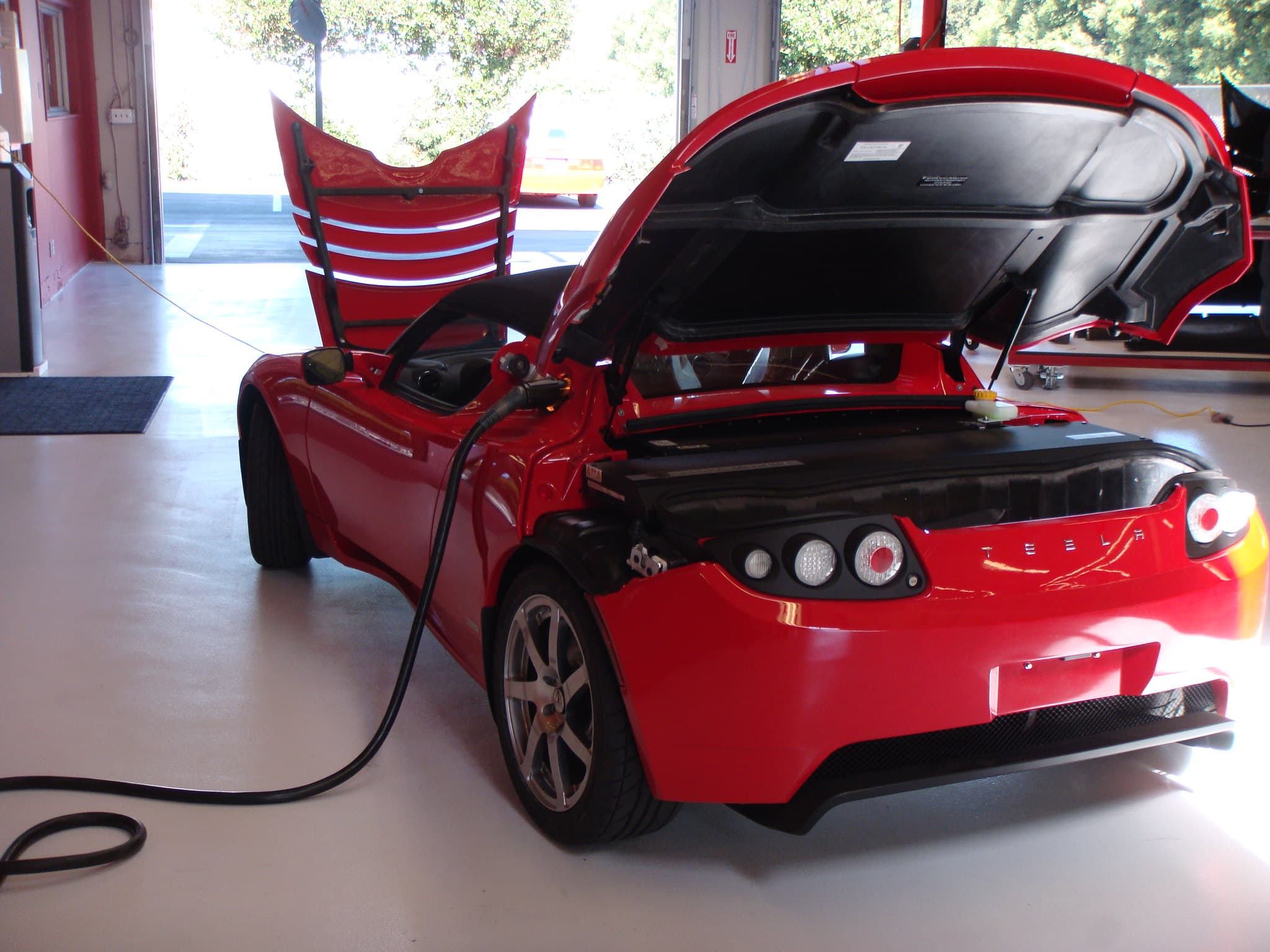
The retiring head of the FINRA Foundation's admonition against the 'Fear of Missing Out' (FOMO) as investors' biggest mistake rings profoundly true today, with Tesla (TSLA) shares plummeting 5.4% to $360.59. This sharp decline in one of the market's most celebrated, and at times, most speculative names, serves as a harsh reminder that chasing momentum without fundamental conviction is a treacherous path. The message from FINRA, a body dedicated to investor protection, underscores a perennial truth: emotional investing rarely delivers sustainable returns. Investors who bought into the Tesla hype at its peaks are now facing significant drawdowns, validating the caution against succumbing to market exuberance.
The broader market reaction today remains nuanced, failing to present a unified front typical of either widespread panic or unbridled enthusiasm. While the Nasdaq advanced 0.2% to $21,879 and the S&P 500 gained 0.1% to $6,583, the Dow Jones dipped 0.1% to $46,505, suggesting a sector-specific rotation rather than a uniform market sentiment. This mixed performance, coupled with the Crypto Fear & Greed Index registering an 'Extreme Fear' reading of 12, highlights a disconnect: institutional caution prevails in certain segments while retail investors continue to grapple with the siren call of high-beta, high-volatility assets. The Russell 2000, often a bellwether for risk appetite, posted a respectable 0.7% gain to $2,530, indicating a selective hunt for value outside the mega-cap tech names.
Historically, the market is replete with cautionary tales where FOMO led to catastrophic investor losses, from the dot-com bust of the early 2000s to the meme stock frenzy of 2021, and even the periodic speculative bubbles in the crypto space following events like the Bitcoin spot ETF approvals in January 2024 and Ethereum spot ETF approvals in May 2024. These cycles consistently demonstrate that market participants, particularly retail, are prone to chasing past performance, often entering at the peak of a rally. The FINRA Foundation head's commentary is not new wisdom, but a timely reiteration of fundamental investment principles that are frequently forgotten during periods of perceived easy money. The current environment, marked by persistent inflation and a Federal Reserve under Chair Jerome Powell committed to data-driven policy, demands a more disciplined approach.
From an institutional perspective, the consensus on Wall Street has increasingly leaned towards fundamental valuation over speculative growth, especially in a higher interest rate environment. Firms like Goldman Sachs and JPMorgan have consistently advised clients to prioritize companies with robust free cash flow generation and sustainable competitive advantages. While retail investors might be tempted by the rapid swings in names like Tesla, large asset managers such as BlackRock and Vanguard are de-risking portfolios, favoring established players like Microsoft (MSFT), up 1.1% today to $373.46, or Apple (AAPL), up 0.1% to $255.92, which demonstrate consistent earnings power. This divergence in positioning underscores the importance of a long-term, value-oriented strategy in mitigating FOMO-driven mistakes.
Fundamental analysis reveals why chasing speculative rallies often ends poorly. Tesla, despite its innovation, still trades at a premium valuation that many analysts find difficult to justify based on current earnings and future growth prospects in an increasingly competitive EV market. In contrast, companies like Nvidia (NVDA), which advanced 0.9% to $177.39 today, possess a clear, defensible market leadership in AI infrastructure, translating into tangible revenue and margin expansion. The FINRA warning emphasizes that investors must anchor their decisions in a company's financial health, its competitive moat, and its pathway to profitability, rather than merely its stock chart or social media buzz. Ignoring these fundamentals in favor of perceived short-term gains is the essence of the FOMO trap.
The broader market implications of this FOMO warning are significant, hinting at a potential rotation out of highly speculative, growth-at-any-cost narratives into more defensive or value-oriented sectors. President Trump's administration continues to push for deregulation and economic growth, which historically can fuel risk appetite, but the underlying market dynamics suggest a more discerning investor base. SEC Chair Paul Atkins' focus on market integrity and investor protection also reinforces the regulatory pressure against misleading or speculative investment practices. The current market environment, characterized by elevated valuations in certain tech segments and a Crypto Fear & Greed Index signaling extreme caution, demands a re-evaluation of risk tolerance and portfolio construction, favoring quality over sheer momentum.
Looking ahead, investors must closely monitor upcoming Q1 2026 earnings reports, which will provide a critical reality check on corporate performance against elevated expectations. Technical levels for high-growth names like Tesla will be crucial, with sustained weakness below key support levels potentially signaling further capitulation. The Federal Reserve's next policy statements under Chair Powell will also dictate liquidity and risk appetite, influencing whether speculative fervor can regain traction or if a more measured approach will dominate. Geopolitical stability, a consistent focus of the Trump-Vance administration, will also play a role in shaping overall market sentiment and investor confidence, providing the backdrop against which these individual company narratives unfold.
The bottom line for Gokhshtein Media readers is unequivocal: FINRA's warning about FOMO is not abstract advice, but a direct call to action for every investor navigating this complex market. The sharp correction in Tesla today serves as a potent reminder that even market darlings are not immune to fundamental scrutiny, and speculation, however alluring, always carries disproportionate risk. We advocate for a disciplined approach, prioritizing robust balance sheets, sustainable competitive advantages, and realistic valuations over the fleeting allure of momentum plays. True wealth is built on conviction and analysis, not the fear of missing out on the next speculative surge.


