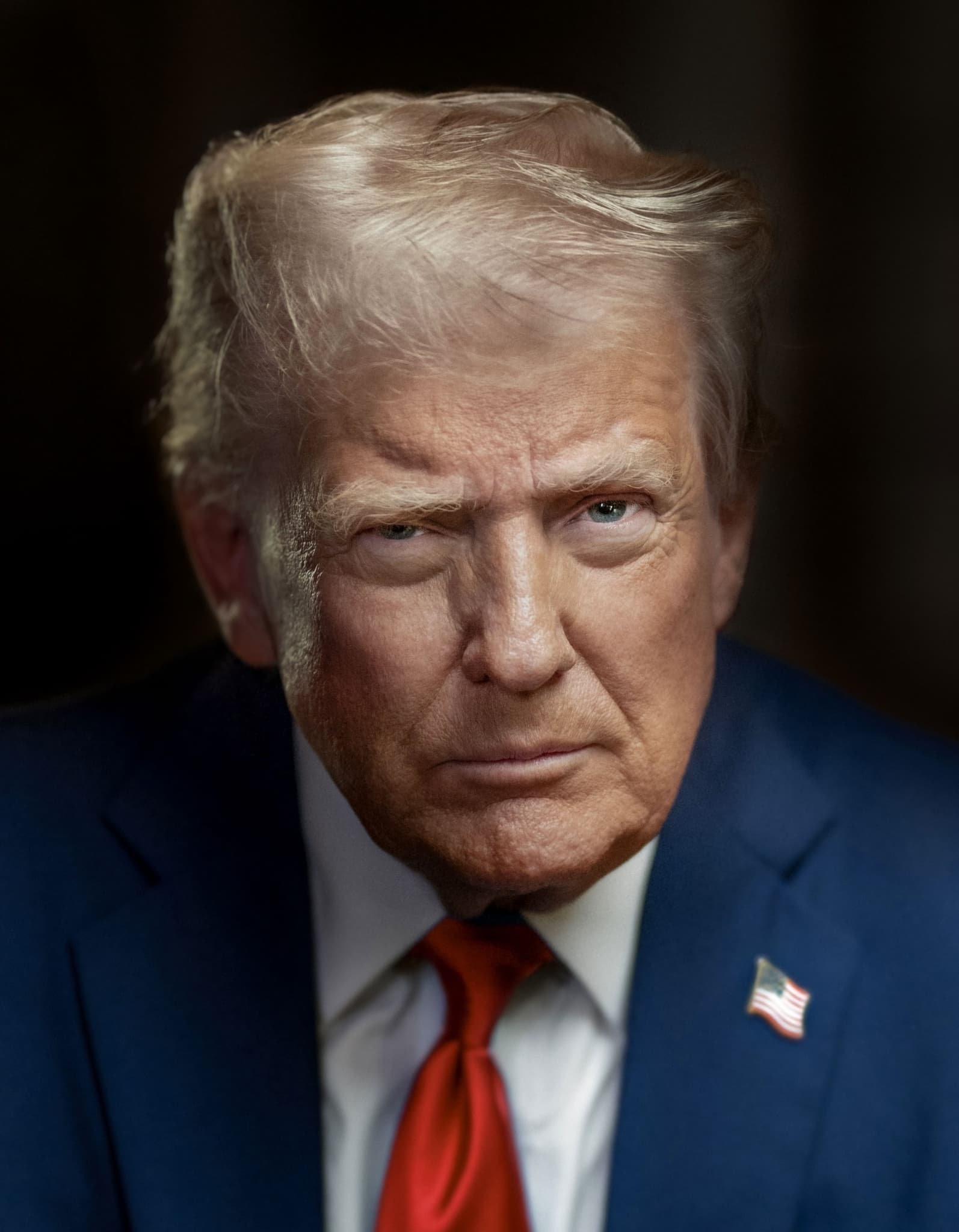
President Donald Trump's unequivocal declaration this afternoon, declining to rule out ground troops if Iran fails to reach a deal, has sent a clear, chilling signal through global financial markets: geopolitical risk is back on the table with a vengeance. This isn't policy theater; it's a direct threat with immediate implications for energy prices, defense spending, and the broader stability of international trade routes. The White House's hardline stance underscores a zero-tolerance approach, forcing investors to re-evaluate exposure to a region already rife with tension and setting the stage for potentially significant shifts in capital allocation.
Markets reacted with a predictable flight to perceived safety and a surge in sectors poised to profit from conflict. While the Nasdaq saw a modest gain of +0.2% to $21,879 and the S&P 500 edged up +0.1% to $6,583, the Dow Jones dipped slightly by -0.1% to $46,505, reflecting underlying uncertainty. Tesla, a bellwether for consumer confidence and global supply chains, plummeted -5.4% to $360.59, while defense-adjacent tech giants like NVIDIA managed a +0.9% rise to $177.39, indicating a sector-specific reallocation of capital. In the crypto space, Bitcoin remained largely flat at $67,374 (+0.1%) and Ethereum at $2,062 (+0.1%), yet the Crypto Fear & Greed Index plunged to 12, signaling "Extreme Fear" among digital asset investors who clearly recognize the potential for broader market contagion despite current price stability.
This executive pronouncement arrives as Congress navigates a complex legislative landscape concerning presidential war powers and defense appropriations. While any direct military action would originate from the Executive Branch, the specter of intervention immediately reignites debates within the House Foreign Affairs Committee and the Senate Armed Services Committee over the scope of existing Authorizations for Use of Military Force (AUMFs). Lawmakers on both sides of the aisle will be forced to weigh the economic consequences of military engagement against national security imperatives, with significant implications for the upcoming defense budget cycle. The potential for a new AUMF, or at least a renewed congressional debate on the issue, becomes a tangible legislative priority, shaping the fiscal outlook for the defense industrial base.
The primary beneficiaries of this hardened rhetoric are the powerful defense industry lobbyists and the companies they represent. Aerospace giants like Lockheed Martin and Raytheon Technologies, along with their extensive network of subcontractors, stand to gain from increased defense spending and potential procurement contracts should tensions escalate. Their PACs and K Street operatives are already active, ensuring their interests are well-represented in any discussions of military preparedness. Conversely, multinational corporations with significant operations or supply chains in the Middle East, such as global logistics firms and energy companies reliant on stable oil transit, face substantial downside risk. The American taxpayer ultimately bears the cost of any military deployment, a burden that will be felt across all economic strata.
The industry impact reverberates far beyond the immediate defense sector. The energy markets, particularly crude oil futures, are bracing for significant volatility, directly affecting transportation costs and industrial output globally. Companies like Chevron and ExxonMobil, while potentially benefiting from higher oil prices, also face operational risks in the region. Technology companies with sprawling global supply chains, including Apple, Amazon, and Alphabet, must now recalibrate for potential disruptions, increased shipping costs, and geopolitical instability impacting their international revenue streams. Even the nascent crypto industry, despite its current price resilience, faces a critical test: will it serve as a true safe haven asset during global conflict, or will it succumb to broader risk-off sentiment, pushing the Fear & Greed Index even lower?
From a legal and regulatory standpoint, the implications are vast. A military escalation would almost certainly trigger a new wave of international sanctions, potentially targeting Iran's financial sector and its crude oil exports. Financial institutions, already burdened by stringent AML/CFT compliance, would face heightened scrutiny from the Treasury Department's Office of Foreign Assets Control (OFAC) and FinCEN, increasing compliance costs exponentially. The legal precedent for presidential war powers would be tested, potentially leading to constitutional clashes between the Executive and Legislative branches over the authority to deploy troops. Furthermore, the global financial system would grapple with the ramifications for SWIFT access and the continued debate over de-dollarization, as nations seek alternatives to a system vulnerable to U.S. sanctions.
Looking forward, the immediate focus shifts to diplomatic channels, or lack thereof. The President's refusal to concede on military options forces a critical juncture: either Iran capitulates to U.S. demands for a deal, or the path to escalation becomes increasingly likely. Congressional leaders, including key figures on the Appropriations and Foreign Relations committees, will be under intense pressure to either support or constrain the President's actions, shaping the legislative response. Federal Reserve Chair Jerome Powell and SEC Chair Paul Atkins will be closely monitoring market stability, with the Fed poised to intervene if economic fallout threatens the broader financial system. Expect a flurry of closed-door briefings and public statements from Washington power brokers in the coming days.
The bottom line for Gokhshtein Media readers is unambiguous: President Trump's calculated rhetoric is a high-stakes play designed to force Iran's hand, but it carries profound financial consequences that extend far beyond the immediate geopolitical theater. This is not merely saber-rattling; it is a clear signal of intent that will directly impact energy prices, defense industry profits, and the stability of global supply chains. While crypto assets like Bitcoin and Ethereum show surprising resilience today, the "Extreme Fear" index indicates underlying investor anxiety. This situation demands vigilance, as the power dynamics in Washington and Tehran will dictate the next moves, directly shaping market performance and the distribution of wealth in the months ahead.


