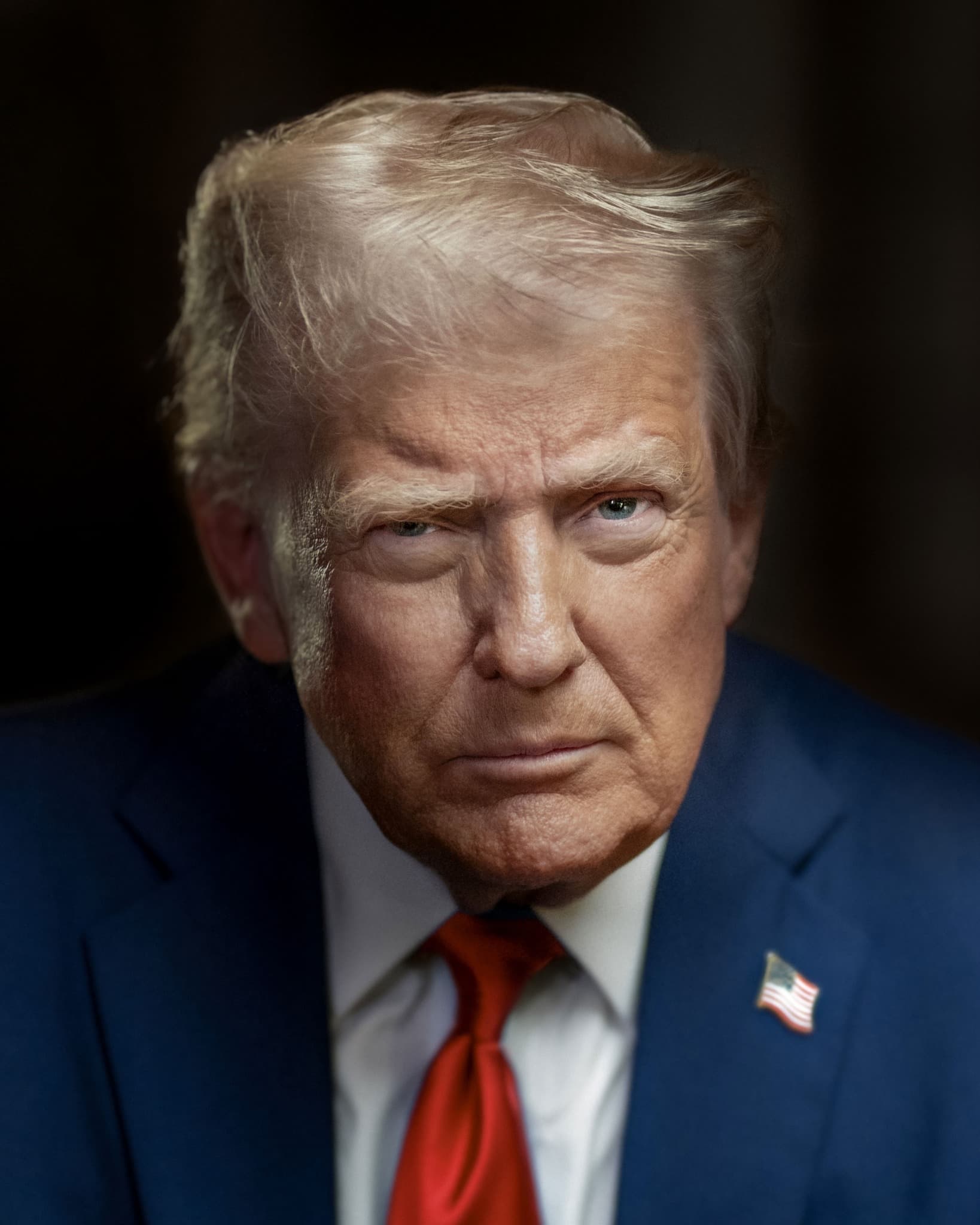
Anthony Scaramucci's public critique of Pam Bondi, asserting she "wasn't doing enough for President Trump," signals a palpable shift in the internal power dynamics within the administration, with direct implications for the intensity and direction of its financial regulatory agenda. While not an explicit policy announcement, such pointed commentary from a well-connected former insider like Scaramucci is interpreted by market participants as an indicator of potential shifts in administrative priorities or even a more aggressive stance on issues impacting Wall Street and the burgeoning crypto sector. This internal pressure, demanding greater perceived loyalty and effectiveness, often precedes a tightening of the President's inner circle and a more decisive push on outstanding legislative or executive actions. The immediate market reaction, while not a direct plunge, carries an undertone of heightened vigilance, as investors brace for potential changes in personnel and a renewed, more politically charged focus on regulatory enforcement.
The broader financial markets, still navigating a complex economic landscape, processed Scaramucci's comments within an existing framework of cautious optimism and regulatory uncertainty. Bitcoin, trading at $66,969, showed a modest 0.3% gain over 24 hours, while Ethereum posted a slight 0.4% decline to $2,050, reflecting typical digital asset volatility rather than a direct response to this political news. Equities also showed limited immediate reaction, with the S&P 500 up 0.1% to $6,583 and the Nasdaq gaining 0.2% to $21,879, suggesting investors are weighing a multitude of macro factors. However, the prevailing Crypto Fear & Greed Index, stuck at 11 (Extreme Fear), underscores an underlying market apprehension that can easily be exacerbated by signals of administrative instability or a more confrontational regulatory stance from Washington. This environment demands that investors remain acutely aware of political machinations, as they hold the potential to trigger significant shifts in market sentiment and asset valuations.
Scaramucci's remarks land squarely in the midst of a stalled federal legislative agenda, particularly concerning comprehensive digital asset regulation and the establishment of a clear stablecoin framework. The Trump administration has faced consistent challenges in marshaling sufficient congressional support for its financial reforms, often encountering resistance even from within its own party ranks. This public dissatisfaction with perceived underperformance, therefore, strongly suggests an upcoming push to re-energize legislative efforts or, more likely, a decisive pivot towards executive actions and agency-led enforcement, effectively bypassing a gridlocked Congress. The current regulatory vacuum surrounding crypto assets, from DeFi protocols to tokenized real-world assets, makes the landscape ripe for intervention, and a White House demanding greater "effectiveness" could rapidly accelerate the implementation of new, potentially stringent, policy changes.
Anthony Scaramucci, a financier with deep ties to both Wall Street and President Trump's political apparatus, possesses a unique vantage point, lending significant weight to his public observations. His critique of Pam Bondi, a high-profile figure known for her unwavering defense of the President, indicates a powerful faction within the Trump network believes the administration's legal and political machinery requires a more forceful and efficient approach. This internal pressure directly benefits those advocating for a more aggressive, potentially populist, regulatory strategy, which could see increased scrutiny or even direct targeting of large financial institutions and perceived "establishment" players. Conversely, it creates significant unease among industry groups and lobbyists who prefer a more predictable, consensus-driven approach to policy, as it signals a potential for increased internal purges and a shift towards more confrontational tactics that prioritize political loyalty over traditional policy-making expertise.
A more assertive and politically driven White House, spurred by calls for heightened loyalty and effectiveness, stands to significantly impact multiple sectors currently under the regulatory microscope. For the burgeoning crypto industry, this could manifest as a renewed, more urgent push for clear federal guidelines, potentially through executive orders if legislative stalemates persist, affecting major digital asset managers like Grayscale, BlackRock, and Fidelity, which operate Bitcoin and Ethereum spot ETFs. Traditional finance giants, including JPMorgan Chase and Bank of America, are also closely monitoring these signals, as shifts in enforcement priorities or a more politically charged regulatory environment could fundamentally alter their compliance burdens and strategic market positioning. Fintech innovators, particularly those developing stablecoins, DeFi platforms, or tokenized securities, face heightened uncertainty, with the potential for either clearer but more restrictive guidance or a more aggressive enforcement posture from agencies like the SEC and CFTC. The overarching trend points towards an "America First" approach to financial innovation, potentially favoring domestic players while erecting new barriers for international competitors.
From a legal perspective, such internal administrative shifts frequently presage significant changes in the interpretation and enforcement of existing financial statutes, rather than immediate new legislative enactments. A more aggressive stance, as implied by Scaramucci's comments and the call for greater effectiveness, could readily lead to intensified scrutiny from agencies like the SEC, now under Chair Paul Atkins, and the CFTC, potentially resulting in a surge of enforcement actions against perceived bad actors or those operating in legally ambiguous zones. The legal precedent in such environments often hinges on the administration's willingness to test the boundaries of its executive and regulatory authority, and a White House demanding greater "effectiveness" is demonstrably more inclined to pursue such assertive legal strategies. This inevitably translates into elevated compliance costs for financial firms across the entire spectrum, as they are compelled to adapt swiftly to a potentially more hostile and politically charged regulatory environment where political alignment can increasingly influence regulatory outcomes and enforcement priorities.
Looking ahead, the immediate future will undoubtedly involve a period of strategic realignment within the Trump administration, likely featuring potential personnel changes or significant shifts in key advisory roles. This internal restructuring is expected to culminate in a clearer, more defined regulatory posture from the White House, potentially leveraging the upcoming budget cycle, executive orders, or even strategic appointments to federal benches to advance its agenda. Expect increased pressure on congressional leaders to finally advance stalled crypto legislation, or, alternatively, a decisive pivot towards more assertive agency actions that bypass the legislative process entirely. The financial markets will be keenly watching for specific signals from President Trump regarding his core economic and financial priorities, as well as any public statements from key economic advisors or cabinet members that definitively clarify the administration's evolving policy direction and the individuals empowered to execute it.
The Bottom Line for financial markets is unequivocal: Anthony Scaramucci's pointed critique of Pam Bondi is far more than mere political gossip; it fundamentally underscores the ongoing, intense power struggles within President Trump's inner orbit, a dynamic that directly influences the trajectory and intensity of financial and crypto regulation. This is not just political theater; it is a potent signal that the administration is demanding heightened loyalty and demonstrable effectiveness from its personnel, which will inevitably translate into a more aggressive, less predictable, and potentially more interventionist regulatory environment. For investors, financial institutions, and innovative industry players, this necessitates preparing for a White House that prioritizes its political agenda over broad industry consensus, ultimately increasing both market uncertainty and the potential for swift, impactful, and politically motivated policy shifts. Gokhshtein Media asserts that a deep understanding of these internal power dynamics is absolutely paramount for anticipating market movements and successfully navigating the rapidly evolving regulatory landscape.


