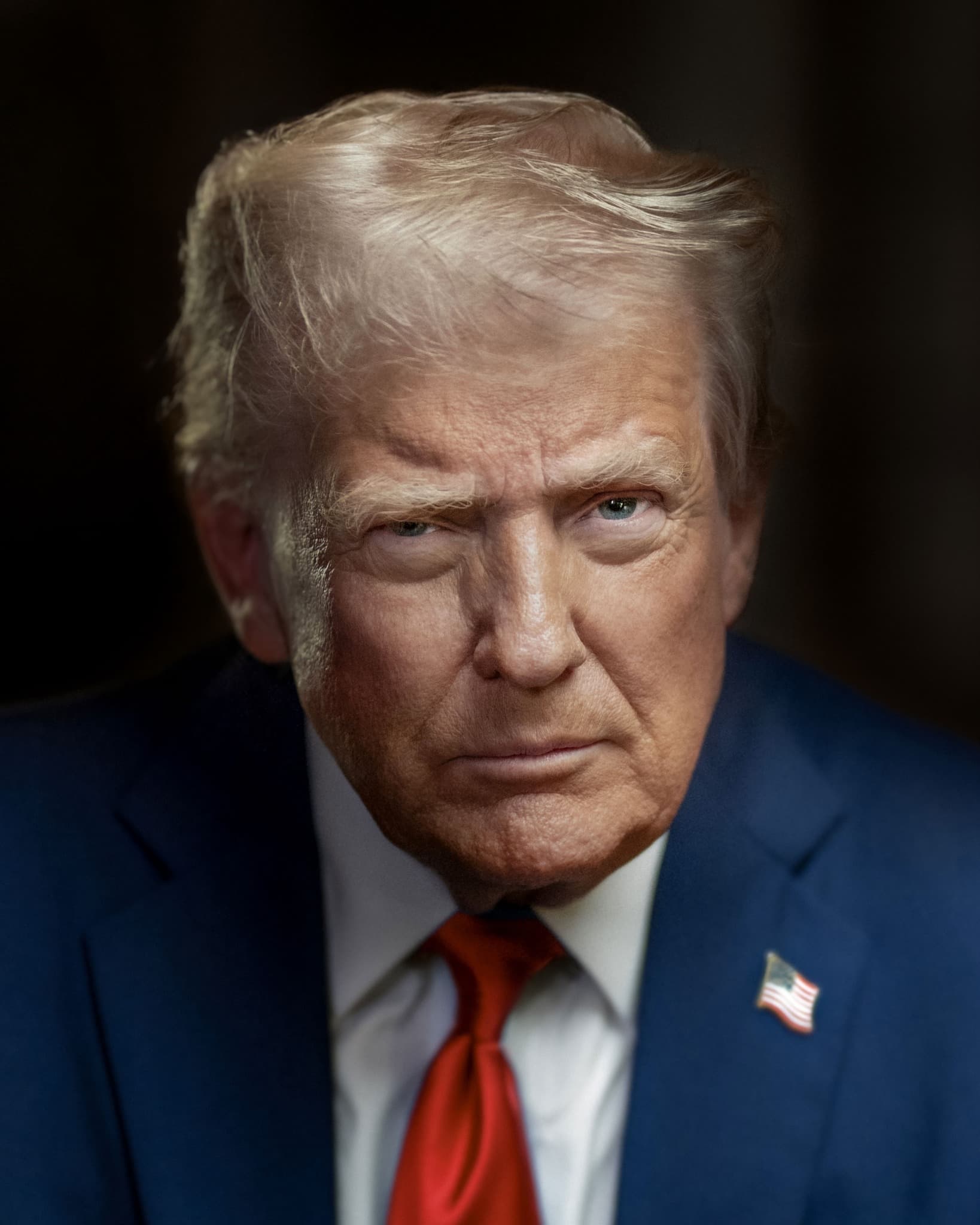
Iran's latest maneuver, asserting a de facto 'toll booth' over the critical Strait of Hormuz, immediately sends a tremor through global energy markets and puts President Trump's administration on high alert. This aggressive posturing, if sustained, directly threatens the transit of nearly one-fifth of the world's oil supply, forcing a re-evaluation of energy security and geopolitical risk premiums. The immediate policy implication for Washington is clear: how to maintain freedom of navigation and global energy stability without escalating tensions into a broader regional conflict, all while domestic consumers brace for potential spikes at the pump and corporations eye their bottom lines.
Market reactions were immediate, if not yet catastrophic, reflecting an underlying 'Extreme Fear' already prevalent in crypto markets, where the Fear & Greed Index sits at a stark 9. While the S&P 500 managed a modest gain of +0.1% to $6,583 and the Nasdaq climbed +0.2% to $21,879, the Dow Jones dipped slightly by -0.1% to $46,505, signaling investor caution. Crude oil futures, though not listed with specific figures here, experienced upward pressure as traders priced in increased supply chain risks, impacting the profitability outlook for major refiners and airlines. Bitcoin, trading at $66,853 (+0.1%), and Ethereum, at $2,051 (-0.4%), showed limited direct correlation but remained within a broader risk-off environment, underscoring how geopolitical instability can dampen enthusiasm for even resilient digital assets.
This Iranian gambit fits squarely into President Trump's broader challenge of balancing his administration's 'America First' energy independence agenda with the realities of global energy markets. The existing web of U.S. and international sanctions against Iran, designed to curb its nuclear ambitions and regional destabilization, now faces a direct challenge to its efficacy. Congress, already divided on Middle East policy, will likely see renewed calls for tougher legislative action, potentially including enhanced sanctions enforcement or resolutions authorizing a stronger U.S. naval presence in the Gulf. This geopolitical flashpoint also carries significant implications for the Federal Reserve under Chair Jerome Powell, as any sustained increase in energy costs could fuel inflationary pressures, complicating future monetary policy decisions.
The key stakeholders in this high-stakes game are numerous and their interests often diverge sharply. Iran, facing domestic economic pressures, uses its strategic geographic position to exert maximum leverage, aiming to extract concessions or alleviate sanctions. President Trump's administration must navigate the delicate balance between projecting strength and avoiding military entanglement, a policy tightrope familiar to every White House. Major oil and gas lobbyists, including the American Petroleum Institute (API), are already pushing hard for policies that guarantee unimpeded global oil flows, recognizing the direct impact on their member companies like ExxonMobil and Chevron. Meanwhile, defense contractors such as Lockheed Martin and Raytheon stand to benefit from increased calls for military readiness and potential deployments, while U.S. allies in the Gulf, like Saudi Arabia and the UAE, face direct economic and security threats from any disruption.
The industry impact of a prolonged 'toll booth' scenario is profound and far-reaching. The global energy sector, from upstream producers to downstream refiners and distributors, faces increased operational costs and supply chain uncertainty. Shipping giants like Maersk and MSC will contend with soaring insurance premiums and potential rerouting, leading to delays and higher freight rates across all sectors, from consumer goods to industrial components. Companies heavily reliant on stable energy prices, such as automotive manufacturers and chemical producers, will see their input costs surge, squeezing already tight profit margins. Even the burgeoning digital asset industry, while not directly tied to oil transit, could feel indirect pressure as global economic instability dampens investor confidence and potentially increases energy costs for large-scale mining operations.
Legally, Iran's actions directly challenge the established principle of innocent passage through international straits, a cornerstone of maritime law. This move tests the enforcement mechanisms of existing U.S. and international sanctions regimes, forcing a re-evaluation of their effectiveness against a state willing to use its geographic advantage. The enforcement implications are substantial: the U.S. and its allies will have to consider naval escorts, increased aerial surveillance, and stricter interdiction measures for vessels violating sanctions. Compliance costs for global shipping companies and their insurers, like Lloyd's of London, will undoubtedly skyrocket, with these expenses ultimately passed on to consumers worldwide. A successful Iranian precedent here could embolden other nations to assert control over critical maritime choke points, destabilizing global trade routes.
Looking ahead, President Trump's administration will likely respond with a multi-pronged strategy combining heightened diplomatic pressure with a clear demonstration of military capability in the region. Expect Congress to consider new legislative proposals aimed at tightening sanctions enforcement and potentially authorizing additional resources for naval protection of commercial shipping. The Strategic Petroleum Reserve could be considered for release to mitigate immediate price shocks, though this remains a short-term solution. The SEC, under Chair Paul Atkins, will be keenly monitoring energy-related equities for any market manipulation or unusual trading activity stemming from the geopolitical uncertainty. The Federal Reserve, led by Chair Jerome Powell, will be scrutinizing every piece of economic data, particularly inflation metrics, as energy prices directly influence consumer purchasing power and corporate investment decisions.
Ultimately, Iran's aggressive posture in the Strait of Hormuz represents a direct and dangerous challenge to global energy security and President Trump’s stated commitment to American energy dominance. This is not mere policy theater; it is a raw display of power with direct financial implications for every sector of the global economy. Washington must project unwavering resolve to maintain freedom of navigation and stabilize energy markets without inadvertently triggering a broader regional conflict. The economic costs of miscalculation or perceived weakness are immense, directly impacting household budgets, corporate profitability, and the stability of global financial markets. The pervasive 'Extreme Fear' evident in crypto markets underscores that investors are already acutely aware of the escalating geopolitical risks at play, demanding a firm and decisive response from the global powers that be.


