Geopolitical tensions are now a primary driver of enterprise tech strategy and capital allocation, as evidenced by recent threats from Iran targeting U.S. technology firms. This direct challenge to critical infrastructure and intellectual property necessitates a significant uplift in cybersecurity spending, impacting the operational expenditures and long-term investment cycles of hyperscale cloud providers and software giants. Companies like Microsoft and Amazon, with their vast cloud ecosystems and deep government contracts, are on the front lines, facing increased pressure to fortify digital defenses and secure supply chains against state-sponsored actors. The implications extend beyond immediate security, influencing everything from data center location strategies to the very architecture of next-generation AI infrastructure, as firms weigh resilience against cost efficiency.
Market reactions to these layered uncertainties are complex, reflecting a sector grappling with both macro headwinds and specific geopolitical risks. While the broader Nasdaq index showed a modest gain of +0.2% and the S&P 500 edged up +0.1% today, individual tech titans exhibited divergent paths. Tesla shares declined sharply by -5.4% to $360.59, likely due to idiosyncratic concerns, while Meta also saw a dip of -0.8% to $574.46. Conversely, Nvidia, a critical enabler of AI infrastructure, rose +0.9% to $177.39, and Microsoft gained +1.1% to $373.46, suggesting that firms perceived as having robust security offerings or essential infrastructure plays are finding resilience amidst the volatility. The broader crypto market, as indicated by a Crypto Fear & Greed Index reading of 9 (Extreme Fear), reflects deep investor caution, with Bitcoin trading at $66,599 (-0.9%) and Ethereum at $2,050 (-2.2%).
The current geopolitical climate marks a significant shift from the post-Cold War era, where cyber threats were often secondary to traditional military concerns; today, they are a primary vector of state-level conflict. U.S. tech firms, by virtue of their global reach and foundational role in the economy, have become strategic targets, demanding a fundamental re-evaluation of their risk models and operational resilience. This dynamic is further complicated by the impending midterm elections, which historically introduce policy uncertainty around everything from antitrust enforcement to data privacy regulations. Such political shifts force tech executives to navigate not just market cycles and innovation curves, but also a rapidly changing legislative landscape that can alter competitive moats and investment appeal.
Industry analysts are increasingly incorporating geopolitical risk as a core metric in their valuation models, moving beyond traditional financial and market-specific factors. Sarah Kunst, Managing Director at Cleo Capital, recently noted that venture capitalists are scrutinizing portfolio companies more closely for their exposure to state-backed cyber threats and the robustness of their incident response plans, especially for those operating in critical sectors. Similarly, equity research from firms like Wedbush Securities emphasizes that companies demonstrating superior cybersecurity posture and diversified supply chains are likely to command a premium, even as increased security expenditures compress near-term margins for some. This shift underscores a maturing understanding that digital infrastructure is a national security asset, not merely a commercial one.
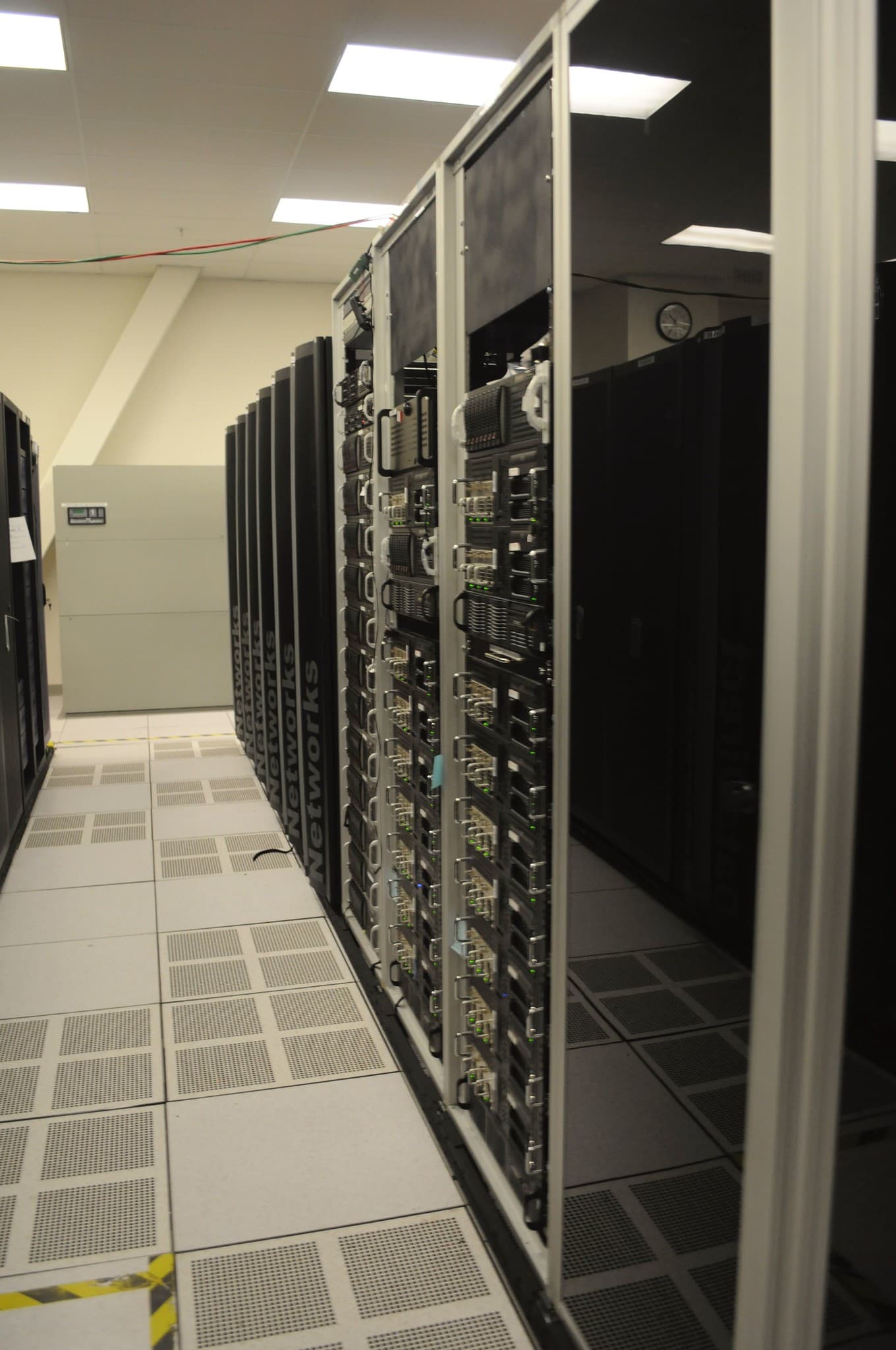
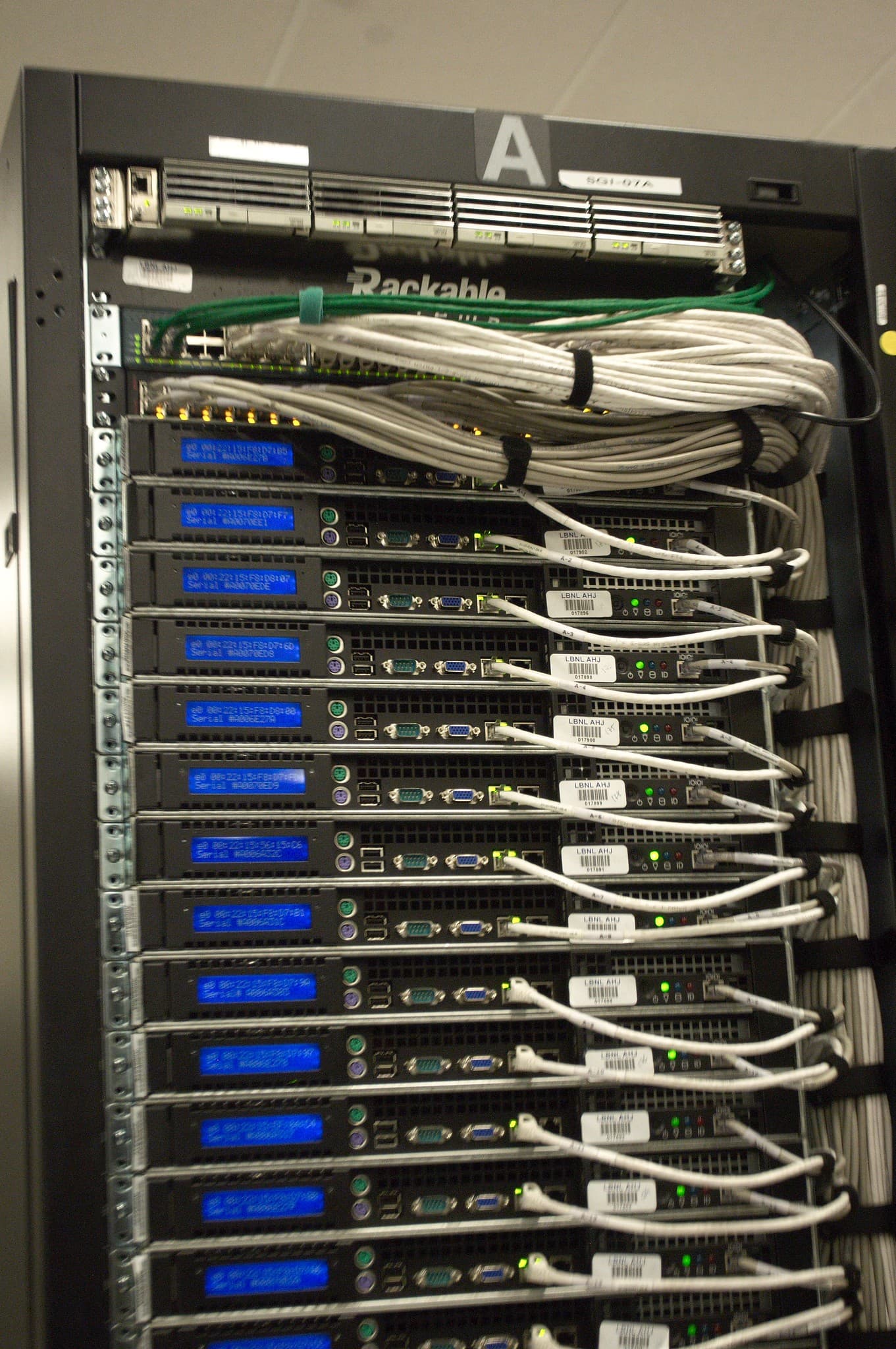
From a technical and product perspective, the emphasis on resilience translates into significant investment in architectural fortresses and advanced threat intelligence. Hyperscale cloud providers like Amazon Web Services and Microsoft Azure are not just selling compute and storage; they are selling sophisticated security perimeters, zero-trust architectures, and AI-driven anomaly detection capabilities that form a critical moat against state-sponsored attacks. This requires continuous capital expenditure into secure hardware, redundant networks, and top-tier talent. Meanwhile, the emergence of decentralized prediction markets, exemplified by events like the Polymarket pop-up bar in Washington D.C. offers a fascinating, albeit nascent, alternative mechanism for gauging political and geopolitical risk, leveraging blockchain's immutability to create transparent, incentive-aligned forecasting platforms that could disrupt traditional polling and intelligence gathering.
Regulatory implications stemming from both escalating cyber threats and the midterm elections are substantial. President Trump's administration and SEC Chair Paul Atkins are already focused on national security and market integrity, which could translate into new mandates for critical infrastructure protection for tech firms, potentially through expanded government contracts or stricter compliance requirements. On the decentralized front, the increased visibility of platforms like Polymarket raises complex questions for regulators regarding their classification as gambling, securities, or information markets, especially after the approvals of Bitcoin spot ETFs in January 2024 and Ethereum spot ETFs in May 2024 have legitimized digital assets to an extent. The legal framework for these prediction markets remains largely undefined, creating both opportunity and significant regulatory overhead for their operators and users.
Looking forward, the confluence of these forces will drive increased capital allocation towards cybersecurity innovation, sovereign cloud solutions, and defensive AI technologies. Tech firms will continue to invest heavily in securing their proprietary GPU architectures and data centers, understanding that their competitive edge is tied directly to their trustworthiness and resilience. The midterm elections will shape the regulatory environment for data governance, artificial intelligence, and digital assets for the next two years, influencing investment flows into nascent sectors like DeFi and Web3. Meanwhile, prediction markets, if they can navigate regulatory headwinds, represent a burgeoning market opportunity to provide real-time, aggregated sentiment on political outcomes and major events, potentially attracting institutional capital seeking novel data streams for risk assessment.
The bottom line for Gokhshtein Media readers is clear: the era of tech as an apolitical, purely commercial endeavor is over. Geopolitical realities and domestic policy shifts are now fundamental variables in the tech industry's profit-and-loss statements, directly influencing valuations, capital expenditures, and competitive moats. Tech leaders must operate with a national security mindset, strategically fortifying their digital assets while agilely engaging with policymakers to shape a regulatory environment that fosters innovation without compromising security. The rise of decentralized platforms like Polymarket further complicates this landscape, introducing new forms of information and risk assessment that traditional institutions are still struggling to comprehend and regulate.