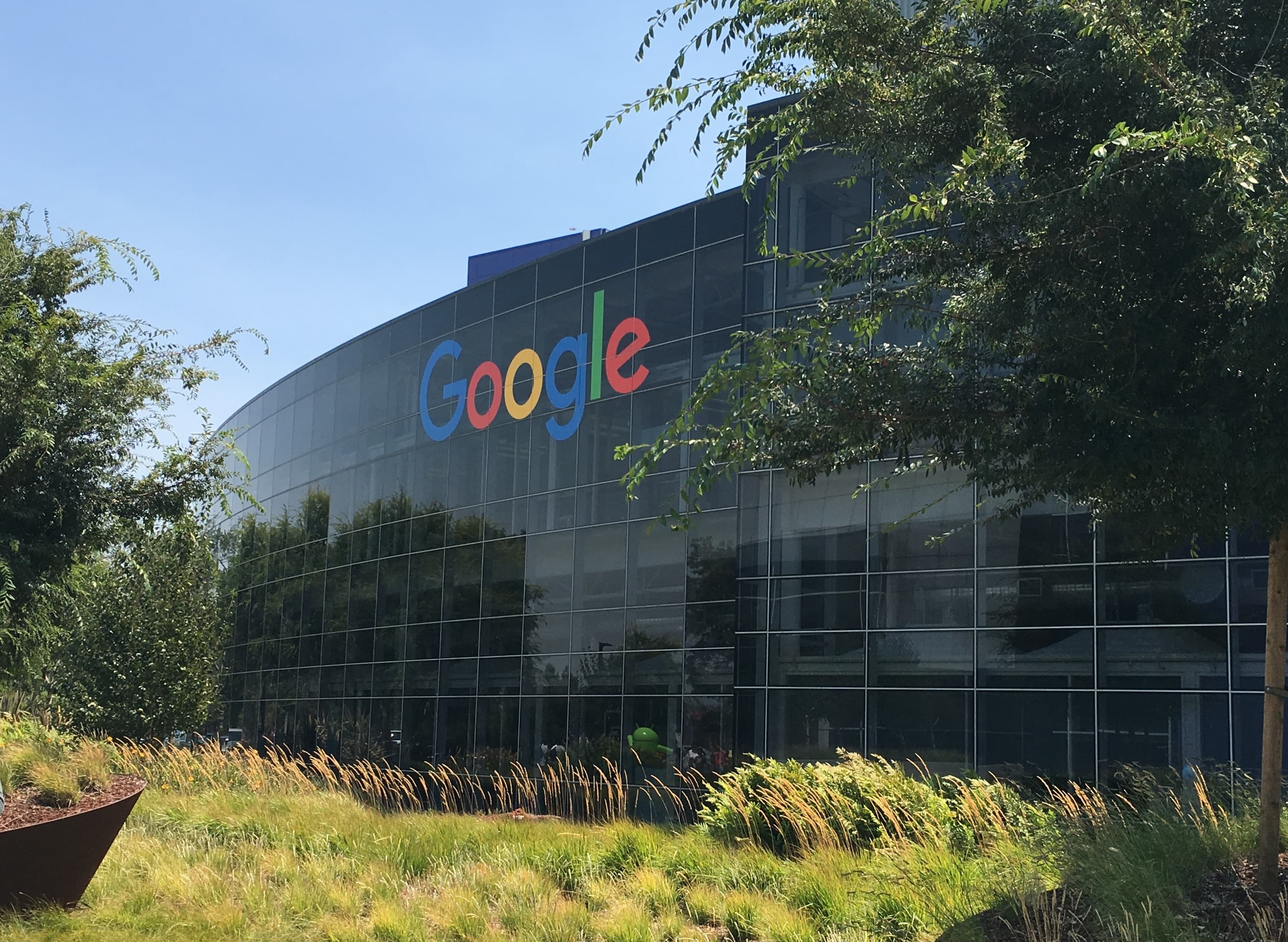
Google researchers just dropped a bombshell, revealing every conceivable way hackers can trap and hijack AI agents. This isn't some theoretical exercise; it's a direct threat to the burgeoning integration of artificial intelligence within the crypto ecosystem, from DeFi protocols to Web3 infrastructure. With Bitcoin currently trading at $66,913 and the Crypto Fear & Greed Index plummeting to an 'Extreme Fear' level of 12, this report amplifies existing market anxieties, forcing a critical re-evaluation of security postures in AI-driven crypto applications. The implications for investor capital and the very integrity of AI-powered smart contracts are immediate and profound.
The market reacted with a palpable sense of unease, though the broader traditional indices showed resilience. Bitcoin dipped 2.2% over the last 24 hours to its current $66,913, while Ethereum took a harder hit, shedding 4.3% to trade at $2,062. Solana, a key player in high-speed transactions and potential AI integrations, sits at $78.9, with XRP holding at $1.32. This crypto downturn unfolds even as the S&P 500 nudged up 0.1% to $6,583 and the Nasdaq gained 0.2% to $21,879, indicating a sector-specific FUD wave. Tesla's significant 5.4% drop to $360.59 further illustrates the general tech sector's sensitivity, but the AI security concerns add a unique layer of pressure on digital assets.
Historically, the crypto market has weathered numerous storms related to security breaches, from catastrophic exchange hacks in the early days to multi-million dollar DeFi exploits and bridge vulnerabilities in recent cycles. While the technology (AI agents) is novel, the fundamental risk of systemic exploitation remains a constant theme, echoing past lessons in a new, more complex form. Each major security incident, from the DAO hack to the various cross-chain bridge exploits, has initially triggered sharp corrections, only to eventually catalyze the development of more robust, resilient protocols. This Google report serves as another stark reminder that innovation, especially at the bleeding edge of AI and blockchain, demands an equally aggressive commitment to security, forcing the industry to adapt or face significant capital flight.
Institutional giants, deeply embedded in the digital asset space through vehicles like the Bitcoin and Ethereum spot ETFs, are undoubtedly scrutinizing these AI security findings with extreme prejudice. Firms like BlackRock, Fidelity, and Grayscale, who have channeled billions into crypto, maintain rigorous due diligence processes that now must expand to encompass AI-specific attack vectors. Industry leaders such as Cathie Wood of ARK Invest and Michael Saylor of MicroStrategy, both vocal proponents of technological advancement in crypto, have consistently stressed the importance of secure, decentralized infrastructure. This report provides crucial data points for institutional investors assessing the risk profiles of projects integrating AI, influencing capital allocation decisions and pushing for higher security standards across the ecosystem.
While direct on-chain data flows immediately attributable to this specific Google report are not yet visible, the overarching sentiment of 'Extreme Fear' (12 on the Fear & Greed Index) reflects a cautious market. Should these AI vulnerabilities translate into real-world exploits within DeFi or other blockchain applications, we would anticipate significant on-chain shifts. This includes a likely surge in stablecoin transfers as investors de-risk, increased outflows from centralized exchanges to self-custody solutions, and a potential reduction in total value locked (TVL) in AI-dependent DeFi protocols. Monitoring these metrics will become paramount, as smart money typically moves to secure assets in the face of perceived systemic risk, signaling a flight to safety that could reshape liquidity distributions across various chains.
The regulatory implications of Google's findings are substantial and cannot be overstated. President Trump's administration, along with SEC Chair Paul Atkins and Federal Reserve Chair Jerome Powell, has consistently emphasized the need for financial stability and investor protection, especially concerning emerging technologies. This detailed expose on AI agent vulnerabilities provides fresh ammunition for regulators to intensify their scrutiny of AI-driven financial applications, potentially leading to stringent new compliance requirements for DeFi and Web3 projects leveraging AI. Vice President JD Vance, known for his focus on technological competitiveness and national security, will undoubtedly be tracking these developments closely, understanding that the integrity of AI systems is critical for both economic stability and national defense in the digital age.
Looking ahead, the integration of AI into digital assets is an unstoppable force, promising unprecedented efficiency and innovation across DeFi, decentralized autonomous organizations (DAOs), and Web3 gaming. However, Google's research unequivocally signals that this advancement must be paralleled by an unwavering commitment to security-first development. The immediate future demands a hyper-focus on robust AI security auditing, formal verification of AI agent logic, and incentivized bug bounty programs for AI-integrated protocols. Developers must prioritize a 'security by design' ethos for every AI agent interacting with blockchain, ensuring that the promise of AI doesn't become its Achilles' heel.
The bottom line for investors holding positions right now is clear: the convergence of AI and crypto presents both a phenomenal opportunity and a dangerous new frontier for exploitation. This Google report is not a call to abandon AI in crypto; it's a stark, necessary warning. Success in this evolving landscape will hinge on identifying and backing projects that demonstrate an obsessive dedication to security, transparent AI implementation, and a proactive approach to mitigating the very attack vectors Google has illuminated. Ignore these warnings at your peril. The market isn't just reacting to prices; it's reacting to the foundational integrity of the next wave of innovation.


