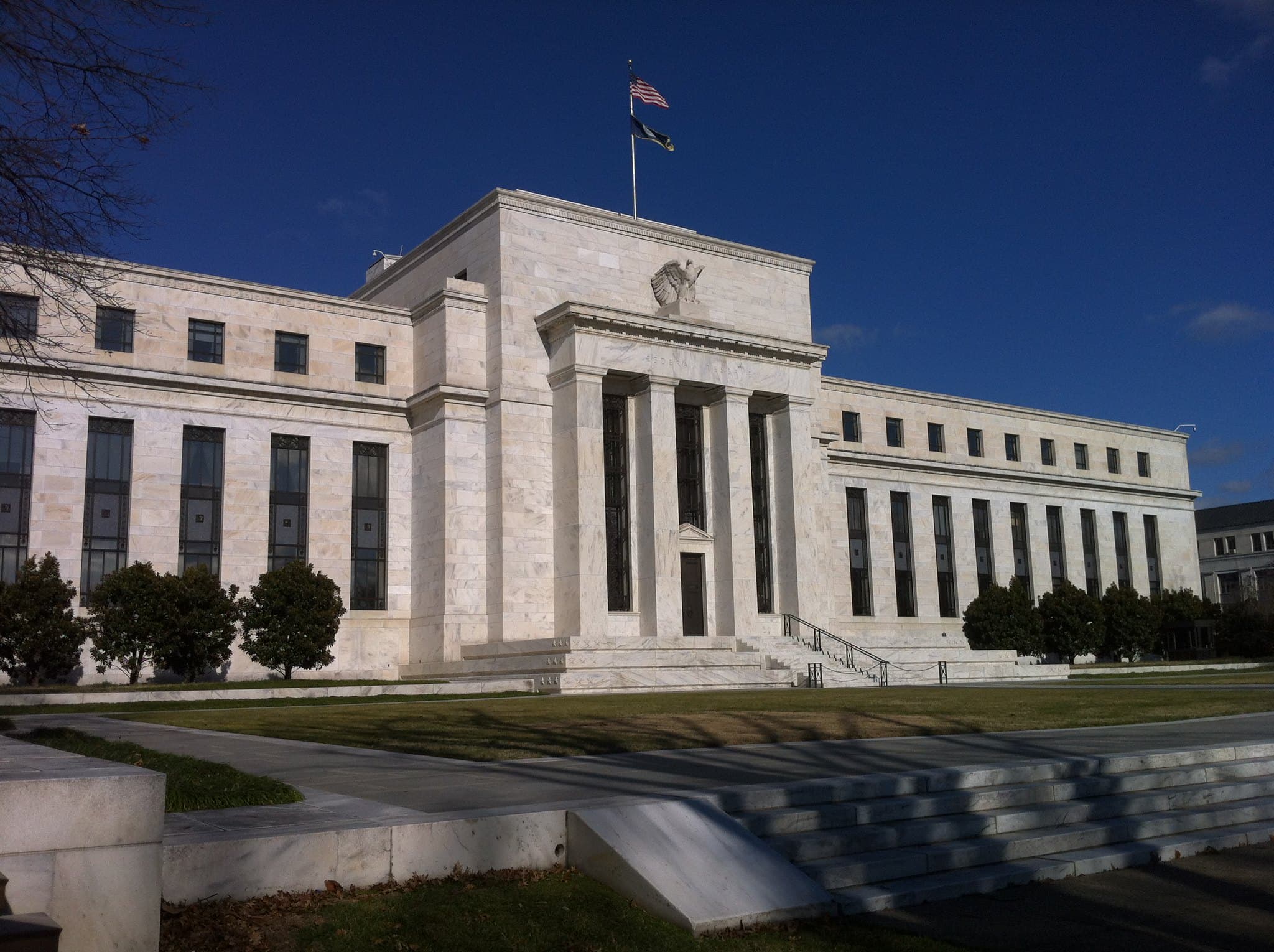
While headlines across certain media channels momentarily divert attention with news of Roberto De Zerbi's commitment to Tottenham Hotspur, the sophisticated machinery of global fixed income markets remains laser-focused on the unwavering realities of monetary policy and inflation. The absence of fresh, market-moving macroeconomic data today means the Federal Reserve's hawkish bias, consistently articulated by Chair Jerome Powell, continues to dictate sentiment across the curve. Bond traders are not swayed by sporting narratives; their focus is squarely on the persistent upward pressure on core inflation, which stubbornly resists the Fed's 2% target, keeping short-term rates anchored near their cycle highs and forcing a continuous re-evaluation of duration risk across institutional portfolios. This environment reinforces the 'higher for longer' mantra, leaving little room for dovish speculation.
In response to this entrenched hawkish outlook, benchmark U.S. Treasury yields maintained their elevated levels, with the 2-year yield hovering above 5.0% and the 10-year yield holding firm around 4.6%, reflecting the market's conviction that rate cuts are a distant prospect. The U.S. Dollar Index (DXY) exhibited resilience, trading near 105.5, as the yield differential continued to favor dollar-denominated assets. Equity markets, despite the hawkish undertones, showed a mixed performance with the S&P 500 up +0.1% at $6,583 and the Nasdaq gaining +0.2% to $21,879, while the Dow Jones edged down -0.1% to $46,505. The Russell 2000, often a bellwether for domestic economic health, registered a stronger +0.7% gain to $2,530, suggesting some underlying optimism in smaller capitalization stocks despite the broader rate environment. Gold, typically a safe haven, saw modest moves, struggling to gain significant traction against a firm dollar and positive real yields.
This prolonged period of elevated rates and sticky inflation recalls echoes of past cycles, particularly the late 1970s and early 1980s, albeit with different underlying structural factors. Unlike the demand-driven inflation of previous eras, today's landscape blends supply-side constraints with robust labor markets, creating a more complex challenge for central bankers. The market's current pricing of a limited number of rate cuts, perhaps only one by year-end, stands in stark contrast to the aggressive easing cycles witnessed post-2008 and during the pandemic, underscoring a fundamental shift in the Fed's reaction function. Institutional investors, including giants like Vanguard and Fidelity, are adjusting their long-term fixed income models to account for a regime where the neutral rate may be structurally higher than previously assumed, demanding a fundamental recalibration of risk-adjusted returns.
Federal Reserve Chair Jerome Powell's recent public appearances have consistently reiterated the central bank's unwavering commitment to price stability, even at the expense of short-term economic growth. The Fed's dual mandate, while technically encompassing maximum employment, is currently heavily weighted towards combating inflation, with officials signaling a willingness to tolerate a cooler labor market to achieve their objective. This stance is mirrored, albeit with regional nuances, by other major central banks; the European Central Bank (ECB) continues its cautious approach amidst persistent, though moderating, inflation pressures across the Eurozone, while the Bank of Japan (BOJ) grapples with its own unique challenges of exiting decades of ultra-loose monetary policy. The collective message from these monetary authorities is clear: the fight against inflation is far from over, and policy rates will remain restrictive for an extended period.
The current fixed income landscape is characterized by a deeply inverted yield curve, with short-term Treasury yields significantly exceeding their long-term counterparts – a classic harbinger of economic deceleration, yet one that has persisted for an unusually long duration in this cycle. This inversion continues to compress net interest margins for banks, while simultaneously rewarding investors for holding shorter-dated paper. Credit spreads in the investment-grade corporate bond market have shown remarkable resilience, indicating robust corporate fundamentals and ample liquidity, preventing any widespread panic despite the higher cost of capital. However, for high-yield bonds, the increased cost of refinancing and potential for economic slowdown presents a more acute duration risk, forcing active managers like those at PIMCO and DoubleLine Capital to meticulously scrutinize credit quality and balance sheet strength. The absence of significant spread widening signals that markets are not yet pricing in a severe recession, but rather a prolonged period of modest growth under restrictive financial conditions.
The 'higher for longer' rate environment casts a long shadow across all asset classes. In equities, the valuation multiples of growth stocks, particularly those sensitive to future earnings such as Tesla ($360.59, -5.4% today) and Meta ($574.46, -0.8% today), face continued headwinds as the discount rate for future cash flows remains elevated. Conversely, value sectors and companies with strong free cash flow generation and low debt burdens tend to exhibit greater resilience. The digital asset space continues to navigate this macro backdrop with considerable volatility, as evidenced by Bitcoin's current price of $66,894 (-1.7% 24h) and Ethereum at $2,057 (-3.8% 24h). The Crypto Fear & Greed Index registering an 'Extreme Fear' reading of 9 underscores the prevailing risk-off sentiment and the significant de-risking by institutional players in what remains a highly speculative asset class despite the approval of spot ETFs. Commodities, while enjoying some support from geopolitical tensions and supply constraints, face demand headwinds from a slowing global economy, leading to a complex interplay of forces.
Looking ahead, market participants will keenly monitor upcoming inflation prints, particularly the Consumer Price Index (CPI) and Personal Consumption Expenditures (PCE) data, as well as the monthly employment reports, for any definitive signs of a sustained disinflationary trend. The next Federal Open Market Committee (FOMC) meeting will be scrutinized for shifts in language or the dot plot, though a material pivot is not anticipated in the immediate term. Geopolitical developments, especially those impacting energy markets or global supply chains, remain a significant wildcard that could rapidly alter the inflation trajectory. The consensus among leading economists at institutions like Goldman Sachs and JPMorgan Chase leans towards a 'soft landing' scenario, but the path remains narrow, fraught with the risk of policy missteps or unforeseen external shocks that could tip the economy into a more severe downturn or reignite inflationary pressures.
Gokhshtein Media's analysis confirms that the bond market has firmly priced in a protracted period of restrictive monetary policy. The commitment of central banks to quash inflation overrides all other considerations, rendering peripheral news, however trending, largely irrelevant to the institutional capital flows that truly move markets. Investors must brace for a continued environment of elevated real yields, a persistent focus on credit quality, and heightened duration management. The era of cheap money is unequivocally over, and prudent portfolio construction demands an acknowledgement of this new reality, where capital preservation and judicious risk-taking are paramount in navigating a landscape defined by enduring inflation and a hawkish Fed.


