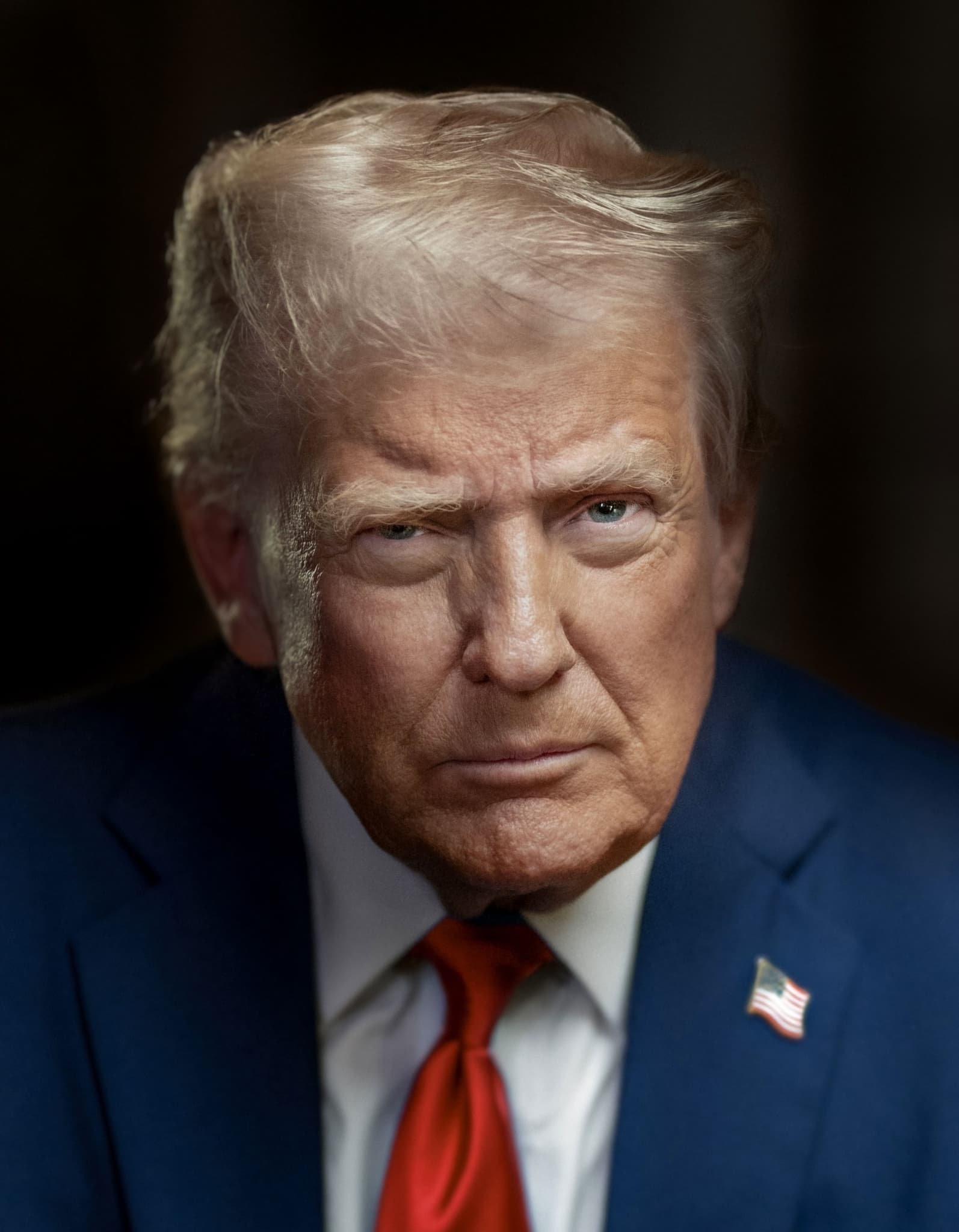
A federal judge’s recent decision to allow civil suits against President Donald Trump regarding the January 6th Capitol riot to proceed represents a significant erosion of the administration’s political capital, even if the immediate market reaction was muted. This ruling, emerging from the labyrinthine D.C. court system, forces the President to divert critical attention and resources towards protracted legal defense, effectively diminishing his bandwidth for an ambitious legislative and regulatory agenda. While not a direct policy action, the judicial setback creates a cloud of uncertainty over the administration’s capacity to push through key economic initiatives, particularly those concerning the burgeoning digital asset sector and broader financial regulation.
Despite this political blow, financial markets largely shrugged off the news, demonstrating a resilience driven by other powerful economic forces. The S&P 500 surged by 2.9% to $6,529, the Dow Jones climbed 2.5% to $46,342, and the Nasdaq saw a robust 3.8% gain, closing at $21,591. The crypto market mirrored this positive sentiment, with Bitcoin rising 1.3% to $68,402 and Ethereum jumping 3.0% to $2,122. This divergence suggests investors are currently prioritizing strong corporate earnings and broader economic optimism, particularly in the tech sector, evident in NVDA's 5.6% and Meta's 6.7% rallies. However, the Crypto Fear & Greed Index registering an 'Extreme Fear' level of 8 indicates a deeper, underlying apprehension within the digital asset community, perhaps reflecting concerns about long-term regulatory clarity amidst political distractions.
This legal development inserts itself into an already complex legislative landscape for financial regulation, particularly regarding digital assets. President Trump's administration has faced persistent lobbying from industry titans and advocacy groups like the Blockchain Association to establish clear, comprehensive frameworks for stablecoins and token classification. A President entangled in civil litigation will inevitably have less political leverage and focus to expend on contentious issues like stablecoin legislation, which has seen proposals languish in Congress. This judicial setback risks further delaying critical regulatory clarity, leaving the industry to navigate a patchwork of state laws and existing federal statutes, a situation that benefits no one seeking innovation or broad market adoption.
The key stakeholders in these civil suits are primarily members of Congress and Capitol Police officers, represented by prominent firms such as Cohen Milstein Sellers & Toll, seeking accountability and damages for the events of January 6th. For President Trump, the financial implications are substantial, with legal defense costs potentially running into tens of millions of dollars, funds that would otherwise be available for political campaigning or advancing his policy platform. This drain on resources serves the interests of opposition parties and even some moderate factions within the Republican party who seek to temper the President's influence or redirect the administration's focus. The financial burden becomes a strategic weapon, weakening the President's ability to reward allies or pressure opponents on legislative matters.
The industry impact of a distracted executive branch is palpable, particularly for sectors reliant on regulatory foresight. For major financial institutions like Fidelity and BlackRock, heavily invested in the now-approved Bitcoin and Ethereum spot ETFs, continued ambiguity around digital asset regulation poses systemic risks. Companies like Coinbase and Kraken, operating at the forefront of crypto innovation, depend on clear guidelines from agencies like the SEC, currently led by Chair Paul Atkins, to plan long-term expansion and product development. A President consumed by legal battles may lead to a less cohesive regulatory strategy, potentially stifling venture capital investment in new protocols and creating a climate of uncertainty that ultimately benefits established, less-regulated players over innovative challengers.
Legally, the ruling underscores a critical precedent: even a sitting President is not entirely immune from civil accountability for actions taken while in office, particularly those deemed outside the scope of official duties. This chips away at the expansive view of executive privilege that has often shielded presidents from such direct challenges. The financial liability could be immense, extending beyond legal fees to potential punitive damages that could significantly impact President Trump's personal wealth and political war chest. For the broader financial system, this development, while specific to the President, reinforces the importance of the rule of law and accountability, factors that underpin investor confidence and the integrity of market operations, albeit with the added cost of political instability.
Looking forward, the legislative and regulatory pipeline now faces increased headwinds. With the White House potentially preoccupied, Congress may find opportunities to assert more control over financial legislation, or conversely, political gridlock could intensify. Expect intensified lobbying from groups like the Chamber of Digital Commerce, attempting to sway key congressional committees to advance their preferred crypto regulatory frameworks in the absence of strong executive leadership. SEC Chair Paul Atkins and Federal Reserve Chair Jerome Powell will likely continue to pursue their respective agendas, but without clear, unifying direction from the Oval Office, inter-agency coordination on complex issues like stablecoins or central bank digital currencies may suffer, leading to fragmented enforcement and policy.
The bottom line for Gokhshtein Media readers is clear: this judicial setback for President Trump is more than just a legal skirmish; it's a strategic blow to his political capital, a tangible drain on resources, and a potential catalyst for a less proactive, more reactive stance from the executive branch on critical financial regulation. For markets, this translates into a period of continued legislative uncertainty, where power dynamics subtly shift towards Congress and regulatory agencies. Industry players must now navigate a landscape shaped by legal battles rather than clear, unified policy directives, a reality that the 'Extreme Fear' in crypto markets, despite today's green candles, may accurately reflect as the long-term consequence of a distracted administration.


