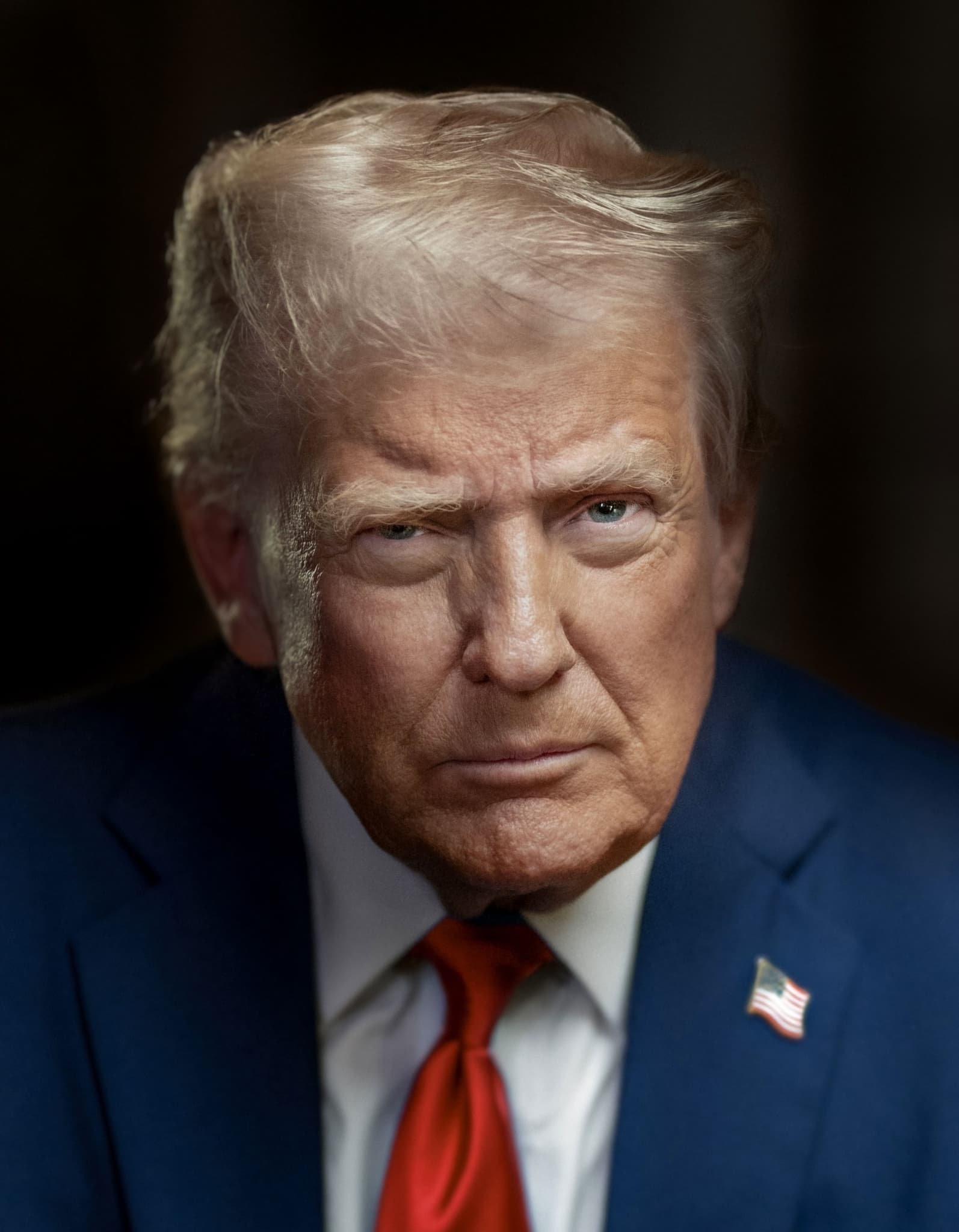
President Donald Trump's unequivocal threat to "obliterate" Iran's energy and water infrastructure, reported by Axios earlier today, immediately sent a jolt of extreme geopolitical risk through global financial markets. This declaration from the sitting President of the United States, far from mere diplomatic posturing, signals a definitive pivot toward a more confrontational stance, bypassing traditional channels and forcing investors to recalibrate their risk assessments across every asset class. The statement, while not a direct regulatory action, carries profound implications for global trade, energy security, and the stability of the international financial system, placing significant pressure on market participants to anticipate potential escalations.
Equities displayed a mixed but telling reaction to the heightened tensions, reflecting a flight to perceived stability in some sectors while others remained cautious. The S&P 500 closed up slightly at $6,378, and the Dow Jones Industrial Average gained 0.4% to $45,339, potentially indicating investor confidence in defense-related industries or a belief that any conflict would be contained. Conversely, the Nasdaq Composite remained flat at $20,943, and the Russell 2000 also showed no movement at $2,450, suggesting a broader reluctance among tech and small-cap investors to embrace risk. In the crypto markets, Bitcoin rose to $67,457, marking a 1.4% gain over 24 hours, while Ethereum climbed 3.7% to $2,059, perhaps as digital assets are once again viewed as hedges against fiat currency instability, even as the Crypto Fear & Greed Index registered an "Extreme Fear" reading of 8.
This presidential pronouncement, though executive in nature, dramatically reshapes the legislative agenda for Congress, particularly concerning national security and economic policy. Lawmakers are now under intense pressure to consider emergency appropriations for military readiness and to re-evaluate existing sanctions regimes against Iran. The administration's aggressive posture signals a clear intent to bypass protracted diplomatic negotiations, effectively forcing Capitol Hill to either align with a more hawkish foreign policy or confront a President determined to act unilaterally. This shift will inevitably divert legislative focus and resources from domestic economic initiatives, including any pending financial regulatory reforms or discussions around digital asset legislation, as national security dominates the discourse.
Key stakeholders across Washington are already mobilizing in response to the escalated rhetoric. Defense contractors, including industry giants like Lockheed Martin and Raytheon Technologies, stand to gain substantially from any increased military spending, with their well-established lobbying efforts in overdrive on Capitol Hill pushing for robust defense budgets. On the other side, trade associations representing industries reliant on stable global supply chains, such as the National Association of Manufacturers and the Semiconductor Industry Association, are privately expressing deep concerns about potential disruptions and increased operational costs. Oil and gas interests, represented by powerful groups like the American Petroleum Institute, are closely monitoring crude prices, anticipating volatility that could benefit domestic producers through higher prices but also spark consumer backlash.
The direct industry impact of such a threat is most pronounced in the global energy sector, where crude oil prices are now expected to surge on fears of supply disruptions from the Middle East, impacting transportation costs and manufacturing inputs worldwide. For the burgeoning crypto industry, the heightened geopolitical instability paradoxically reinforces Bitcoin’s narrative as a decentralized, non-sovereign store of value, attracting some investors seeking refuge from traditional market volatility, as evidenced by its current upward trajectory. The continued trading of Bitcoin spot ETFs, approved in January 2024, provides an accessible channel for institutional capital to flow into this perceived safe haven. However, a broader market downturn driven by sustained global conflict would undoubtedly impact all risk assets, including digital ones, challenging the resilience of the ecosystem.
From a legal standpoint, President Trump’s threat to target infrastructure raises profound questions under international law, particularly concerning the principles of proportionality, self-defense, and the laws of armed conflict, potentially setting a dangerous precedent for global stability. Domestically, any pre-emptive strike would inevitably trigger a constitutional showdown between the executive and legislative branches over presidential war powers, especially regarding the requirement for congressional authorization for military force. Financial institutions, particularly those engaged in international trade and energy derivatives, face immediate and significant compliance burdens, requiring heightened vigilance against potential new sanctions and strict adherence to Office of Foreign Assets Control (OFAC) guidelines, increasing operational costs and legal risk.
Looking ahead, the immediate focus shifts to the specific actions the White House might take, which will dictate the market's subsequent moves and provide clarity on the administration's true intent. Congress is poised for emergency hearings, with leaders of the Senate Foreign Relations Committee and the House Armed Services Committee demanding comprehensive briefings on the strategic rationale and legal justification behind the President's aggressive posture. Investors are now closely watching for any signs of diplomatic de-escalation or, conversely, concrete steps towards military action, which would trigger further dramatic shifts in commodity markets, defense stocks, and potentially a significant flight to quality across both traditional and digital asset classes.
President Trump’s blunt threat against Iran is not mere bluster; it is a clear and unambiguous signal of an administration willing to deploy extreme measures, fundamentally repricing geopolitical risk across every segment of global financial markets. While specific regulatory actions are not yet in play, the policy implications for defense spending, energy markets, and the stability of international trade are profound and immediate. Gokhshtein Media maintains its clear stance: this is about raw, unmitigated power and its immediate, tangible cost to global economic stability, forcing every major player, from the trading desks of Wall Street to the innovation hubs of Silicon Valley, to urgently reassess their strategic risk models and potential exposure to an escalating global confrontation.


