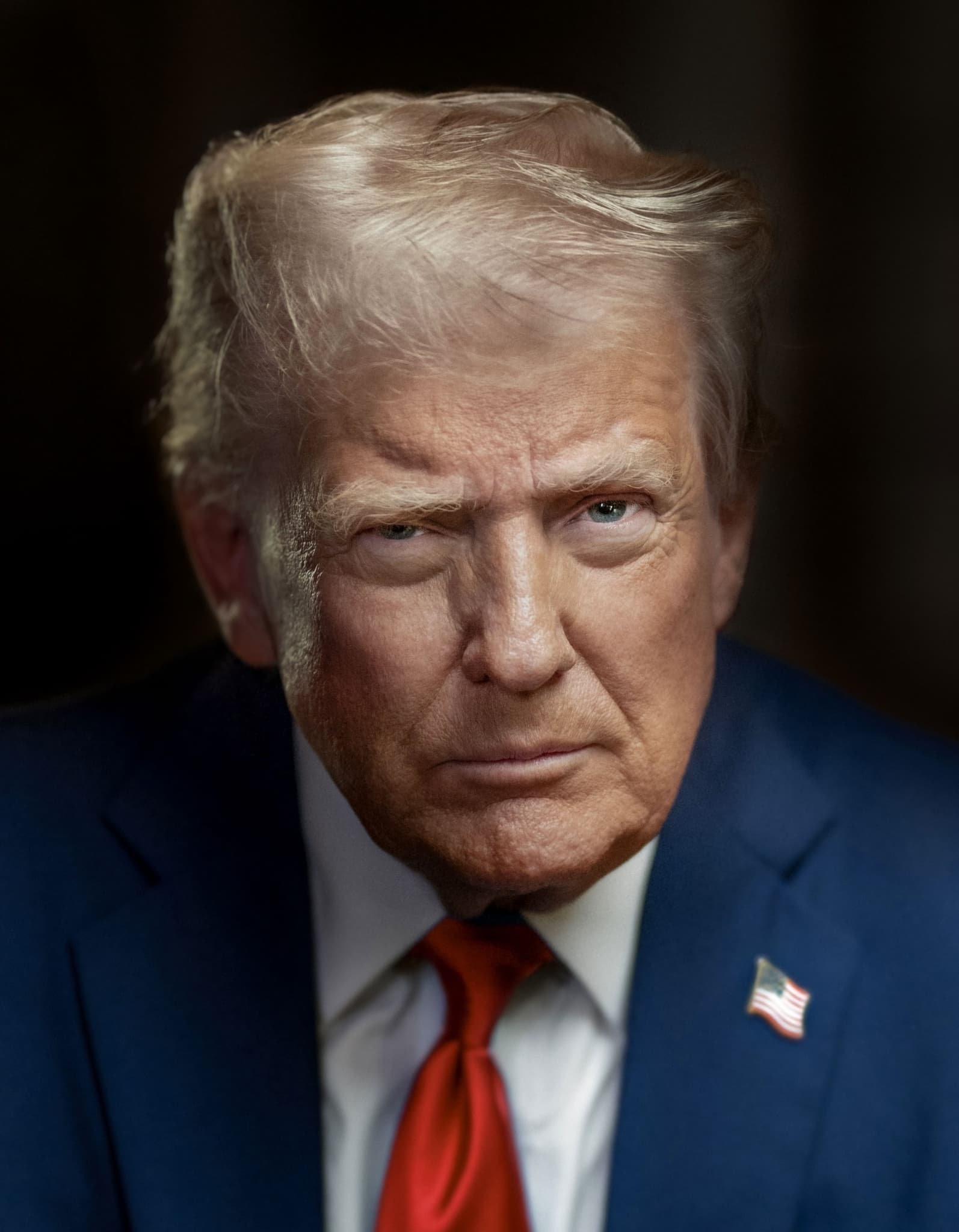
The White House's digital asset and AI policy landscape just saw a significant shift as David Sacks wrapped up his 130-day tenure as the administration's dedicated czar. This news, while political in nature, reverberates through a crypto market already grappling with an Extreme Fear reading of 8 on the Crypto Fear & Greed Index. Bitcoin, the undisputed king, currently trades at $67,112, showing a muted +0.4% gain over the last 24 hours, a stark contrast to the volatility implied by the prevailing market sentiment.
Despite the political change and the overwhelming fear gripping the broader crypto space, core assets are demonstrating remarkable resilience. Ethereum, the backbone of decentralized finance, is up a solid +1.3% over 24 hours, now trading at $2,035, indicating underlying strength in its ecosystem. Solana holds at $83.25 and XRP at $1.35, maintaining their ground even as traditional markets bleed; the S&P 500 is down 1.7%, the Nasdaq dropped 2.1%, and even tech giants like Meta and Amazon are down 4.0% today. This clear divergence between crypto's steadfastness and traditional market weakness is a critical signal for those paying attention.
Historically, periods of extreme fear, as indicated by an index reading of 8, have often marked significant bottoms or consolidation phases before major rallies. We saw similar sentiment during the deep bear markets of 2022 and specific volatile periods post-Bitcoin spot ETF approval in early 2024. The market's ability to absorb high-level political personnel changes without a catastrophic price collapse for Bitcoin and Ethereum suggests a maturation of the asset class. This isn't 2017; institutional rails are built, and the underlying conviction runs deeper than ever before.
From an institutional perspective, David Sacks' departure, while creating a temporary void in high-level crypto policy discussions, does not fundamentally alter the long-term investment thesis for digital assets. Firms like BlackRock, Fidelity, and Grayscale continue to manage billions in Bitcoin spot ETFs, with institutional accumulation having been a consistent theme since their January 2024 approval. Major players like ARK Invest and VanEck are actively positioning portfolios for the next cycle, recognizing that market fear often presents prime entry points. Goldman Sachs strategists have consistently highlighted the long-term potential of blockchain technology, irrespective of short-term political machinations.
On-chain data paints a picture of quiet accumulation beneath the surface of the Fear & Greed Index. While specific inflow/outflow numbers are not public today, a consistent trend over recent weeks shows a decrease in Bitcoin and Ethereum exchange reserves, indicating that whales and long-term holders are moving assets to cold storage. This removal of supply from liquid markets points to strong holder conviction. Network activity across the Ethereum and Solana blockchains remains robust, with high transaction counts and stable Total Value Locked (TVL) in DeFi protocols, underscoring active utility and development despite price stagnation.
Regulatory implications stemming from Sacks' exit introduce a degree of uncertainty regarding the White House's immediate crypto policy focus. As the administration of President Trump continues to shape its stance on emerging technologies, the appointment of a new AI and crypto czar or the reassignment of these responsibilities will be closely watched. SEC Chair Paul Atkins maintains a clear mandate for investor protection within digital asset markets, particularly with the established frameworks for spot ETFs. The industry needs clarity, and the next appointee's stance on innovation versus regulation will be crucial for the sector's trajectory under the current administration.
Looking forward, the current market dynamics present a classic opportunity for those with conviction. An 8-point Fear & Greed Index, coupled with resilient asset prices like Bitcoin at $67,112 and Ethereum at $2,035, screams 'buy the dip' to experienced traders. Macroeconomic factors, including Federal Reserve Chair Jerome Powell's ongoing assessment of inflation and potential future interest rate adjustments, will undoubtedly influence broader market liquidity. The upcoming US presidential election cycle will also bring renewed focus on digital asset policy, creating both potential headwinds and tailwinds for the sector.
The bottom line is crystal clear: David Sacks' 130-day tenure ending is a footnote, not a market-shattering event. The underlying fundamentals driving Bitcoin and Ethereum adoption remain stronger than ever, bolstered by robust institutional infrastructure. The divergence from traditional market performance, coupled with on-chain accumulation signals, tells us that smart money isn't panicking. This extreme fear environment is precisely where true hodlers double down, positioning themselves for the inevitable rebound. Don't let the headlines distract you from the undeniable long-term value proposition of digital assets; stay positioned, the next leg up is forged in moments like these.


